
THE VINTAGE GLASS ARCHIVE
Pillar 2: The Vintage Glass Archive
The Soul of the Machine: A Guide to Character-Driven Gear
In an era of computational photography and technically perfect optics, the modern lens has become a clinical instrument. It is designed by algorithms to eliminate flare, ignore chromatic aberration, and render reality with a razor-sharp, sterile precision. But in the streets of Tokyo, where the light is chaotic, and the shadows are deep, "perfect" is often the enemy of "feeling."
The Alchemy of Brass and Lead Glass
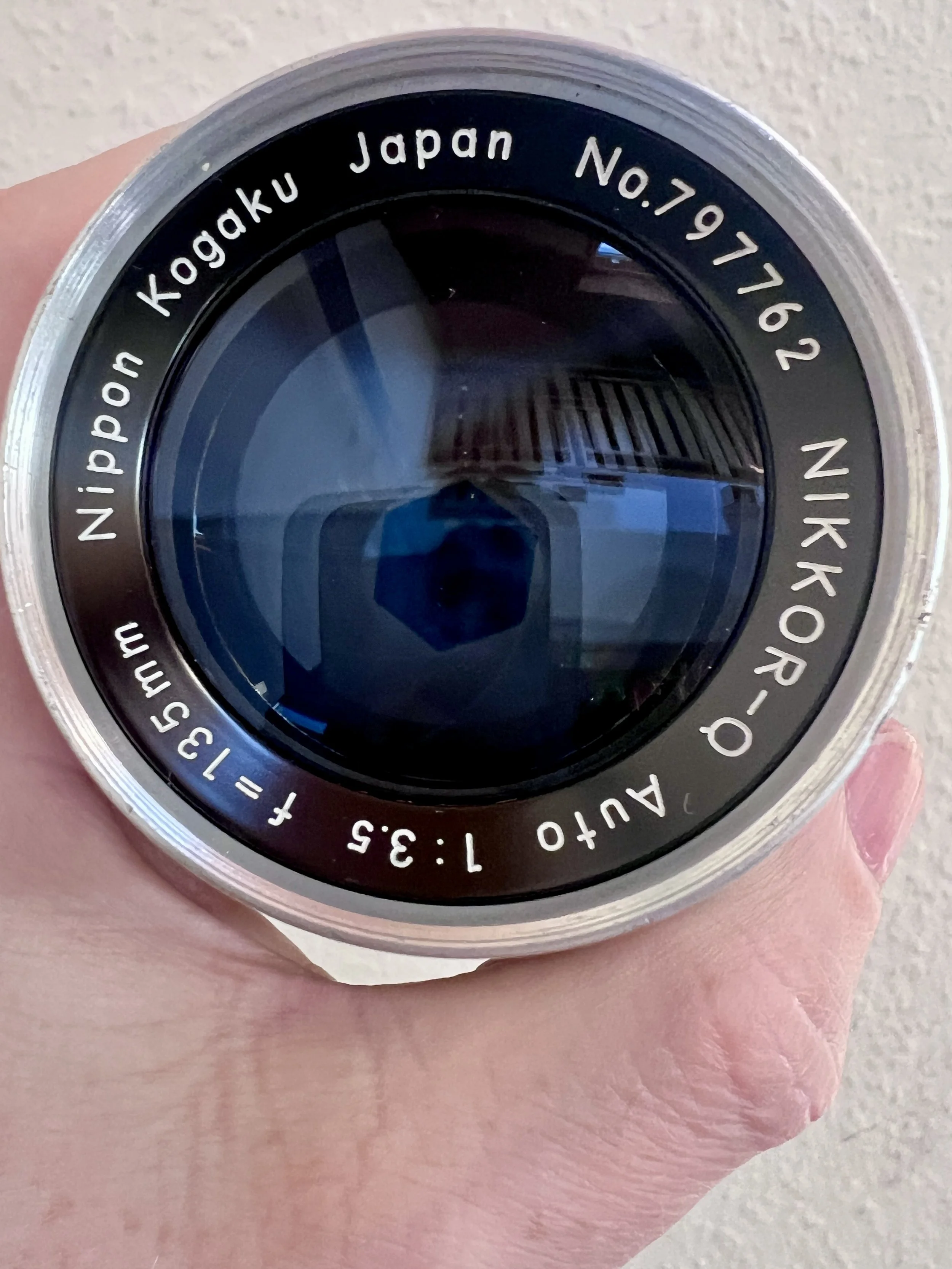
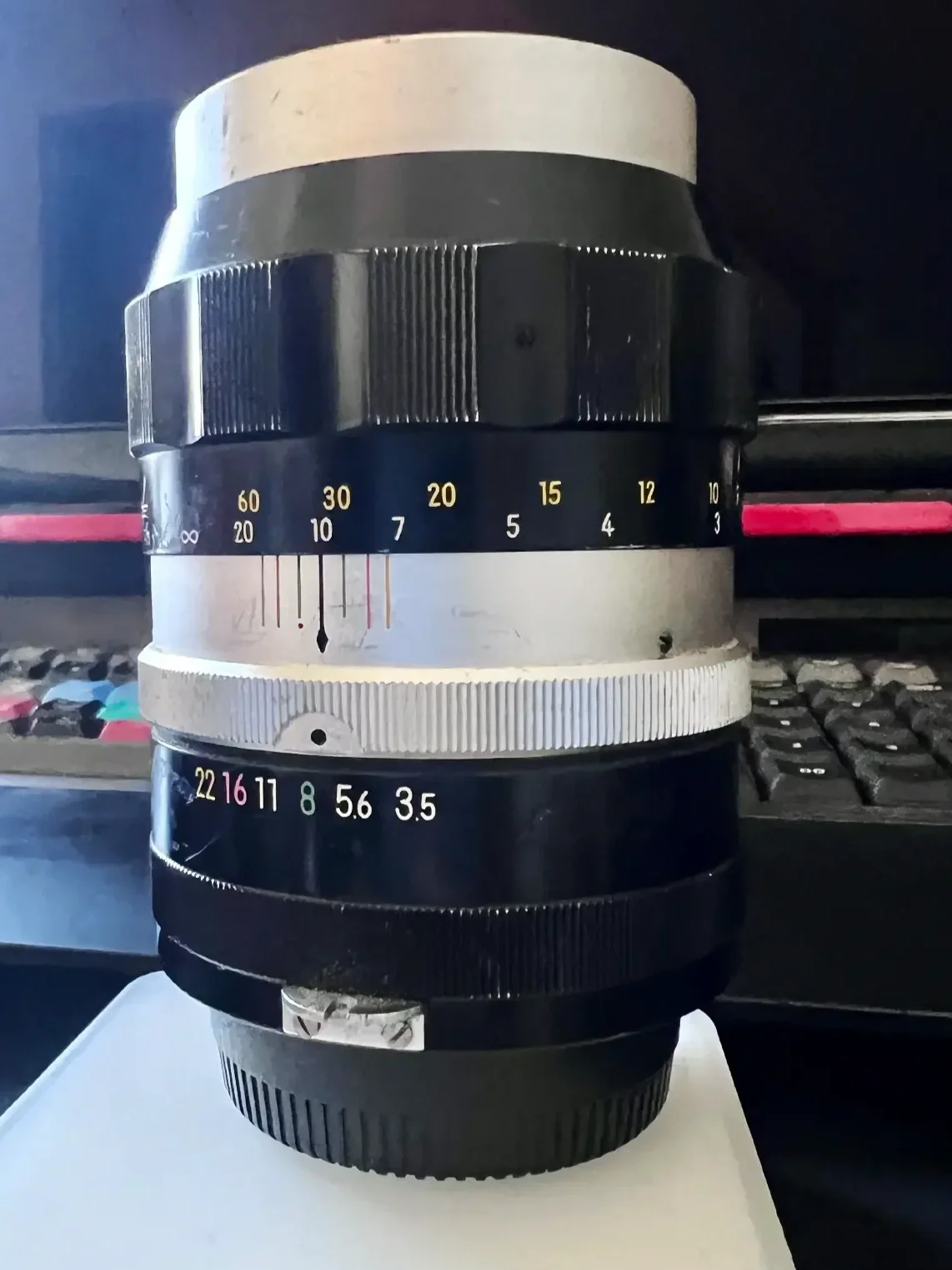
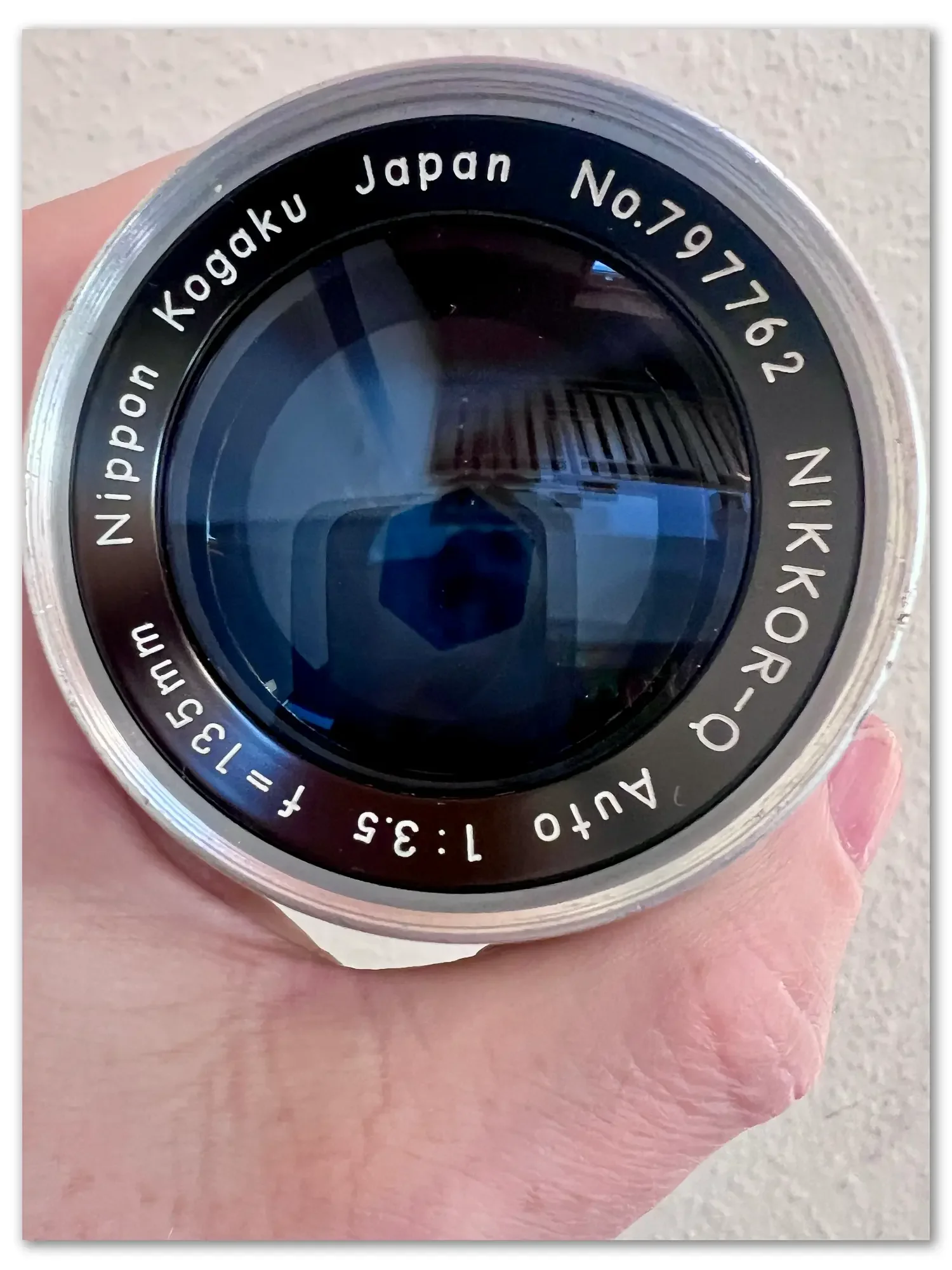
At Tokyo Forgeries, my kit is built around a specific collection of vintage Nikkor lenses—relics of a time when "character" was a byproduct of design rather than a filter applied in post-processing. These lenses, ranging from the wide-angle Nikkor 24mm f/2.8 to the legendary Nikkor 135mm f/3.5 Q, offer a tactile connection to the craft. They require a slower pace: manual focus, physical aperture rings, and an intimate understanding of how lead-glass renders the glow of a Shinjuku neon sign.
This archive is a living study of these optics. I don't just test these lenses on charts in a lab; I "stress test" them in the world’s most demanding street photography environment.
What You Will Find Here
Each lens in my bag has been chosen for its specific visual signature. Within this archive, you will find deep-dive reviews and long-term field notes on:
The Wide Perspective: Mastering environmental storytelling with the 24mm and 50mm.
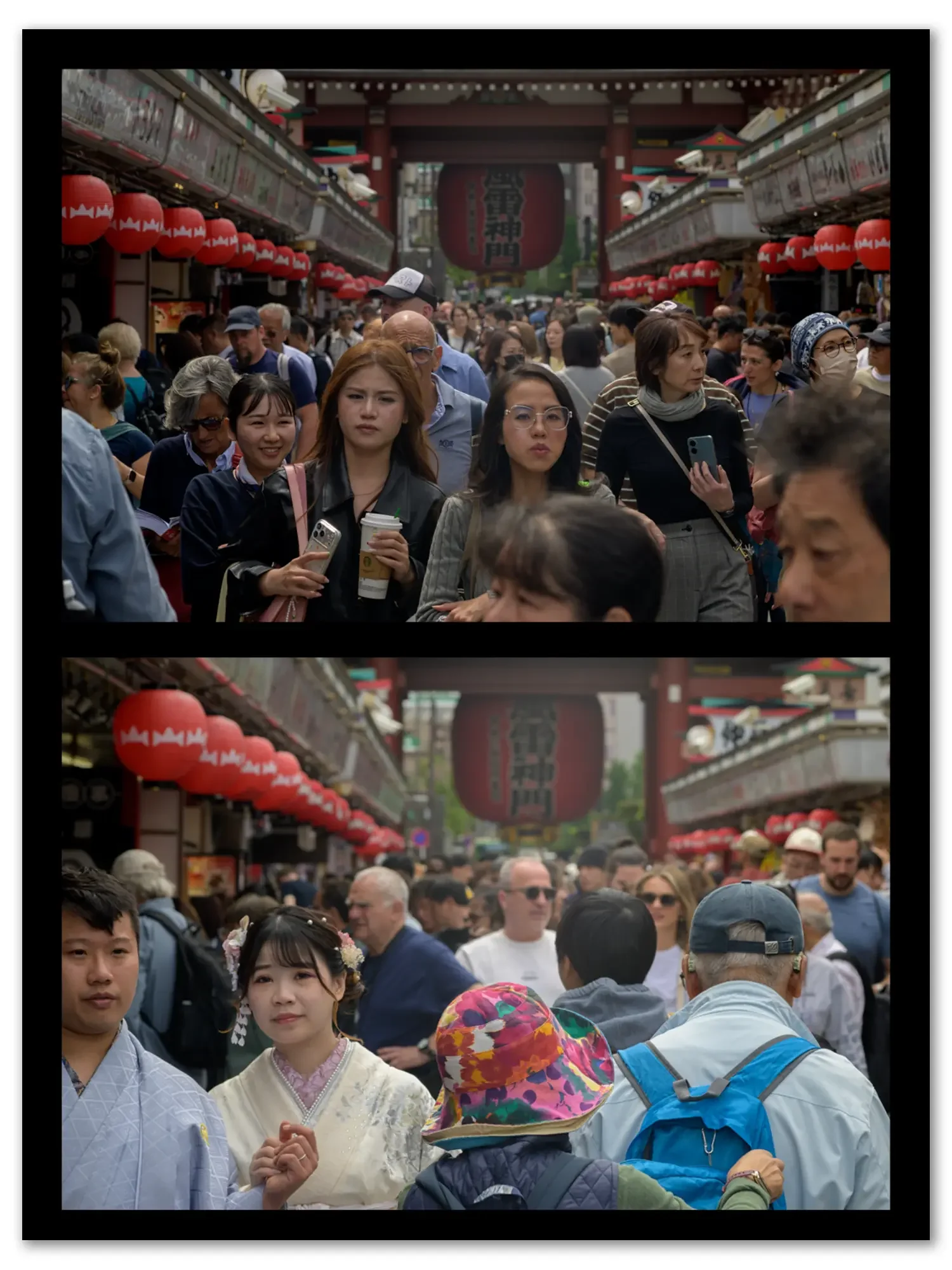
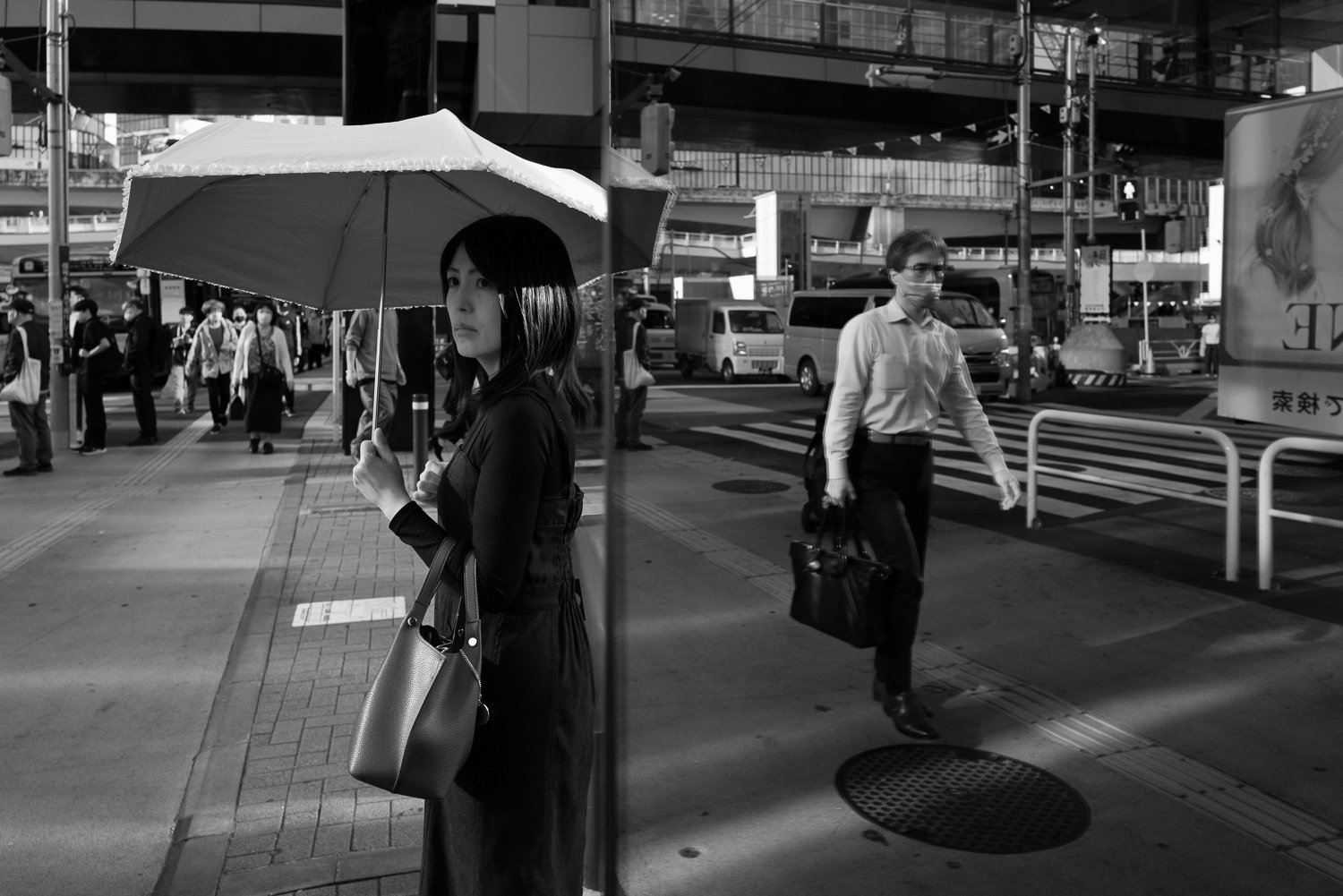
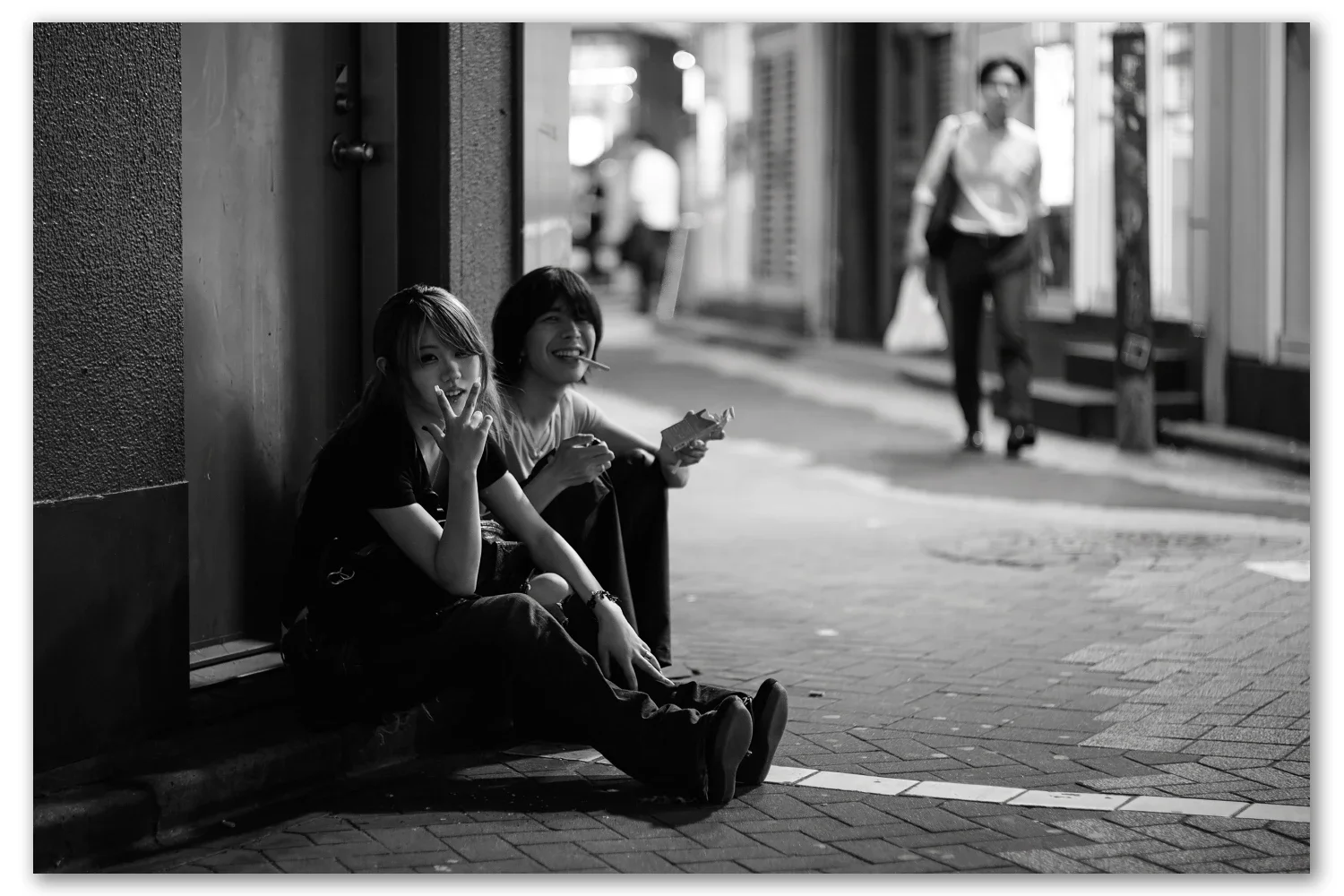
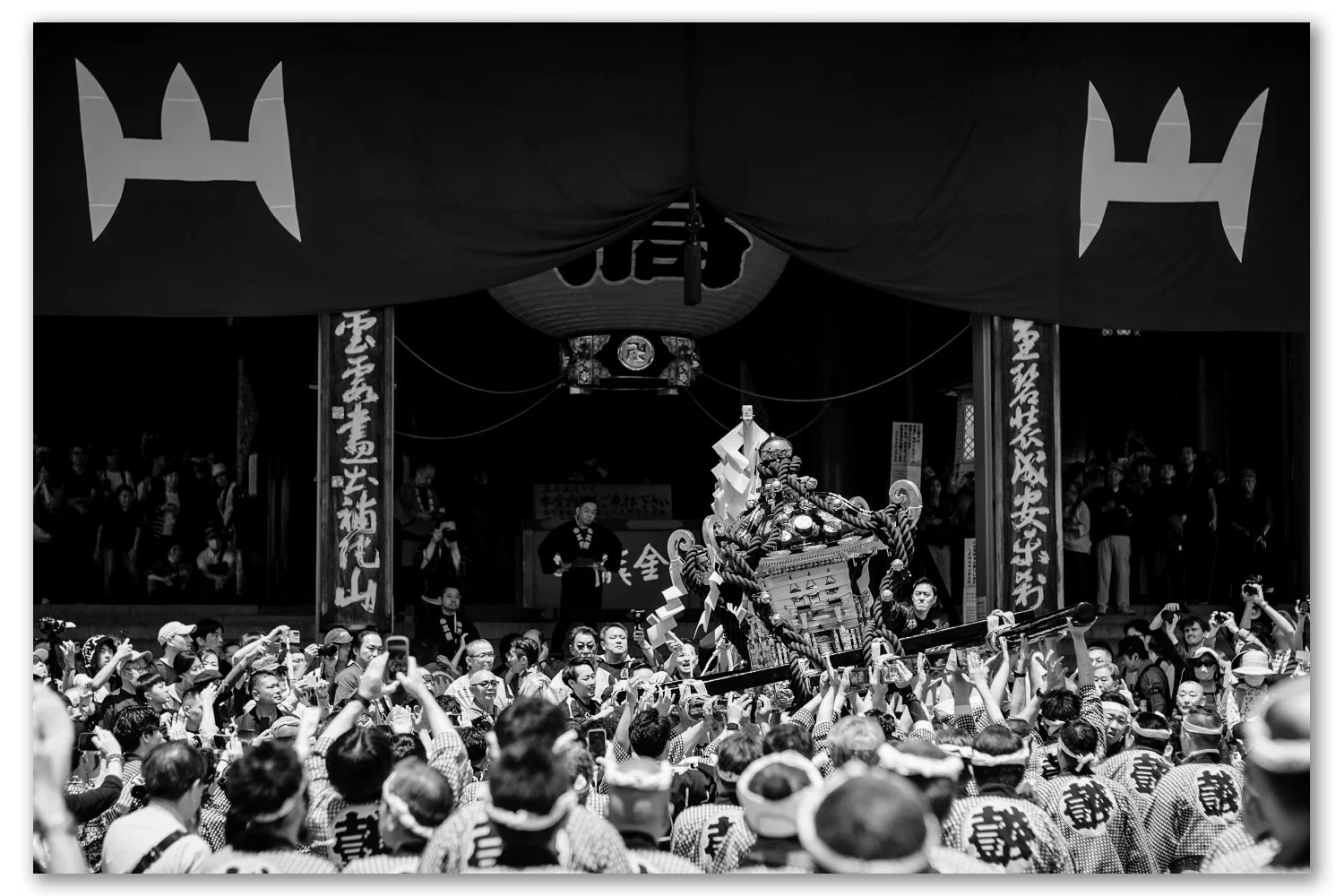
The Compression Series: Utilizing the 85mm, 135mm, and the formidable 200mm f/4 to isolate subjects amidst urban chaos.
The Monochromatic Standard: How I use the Leica Q2 Monochrom as a control—the pure digital sensor against which these vintage "forgeries" are measured.
Why Shooting Vintage Matters: The Ghost in the Lens
Mounting vintage glass onto a high-resolution mirrorless sensor is an act of creative rebellion. It is a conscious rejection of the clinical, mathematically-perfect rendering that defines modern optics. While contemporary lenses are designed by algorithms to eliminate every "flaw," we believe those very imperfections are where the soul of a photograph lives.
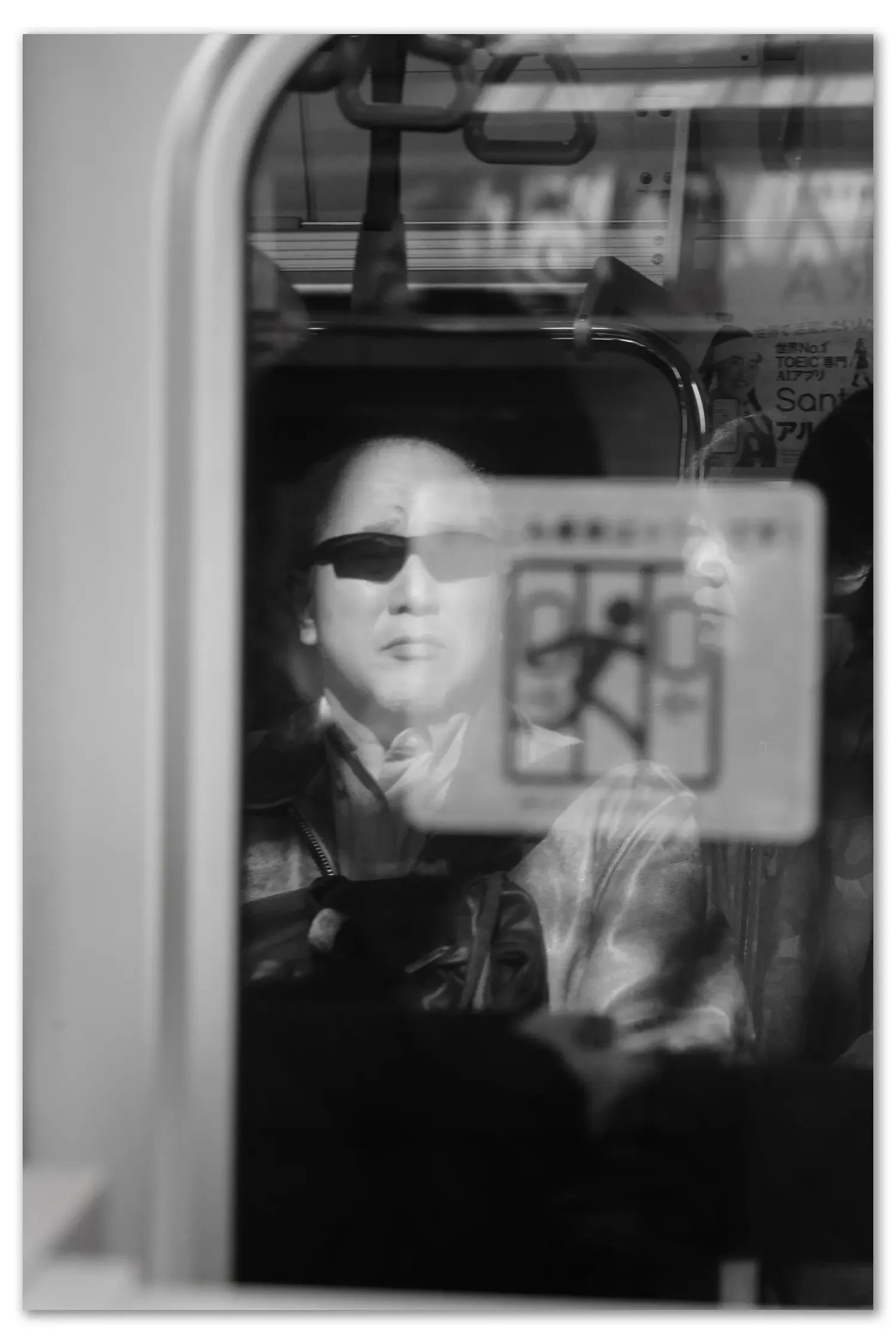
It is the pursuit of the "sublime" through the organic: the gentle, painterly roll-off from focus to shadow, the unpredictable dance of flare when hit by a Tokyo neon sign, and a structural warmth that modern chemical coatings have scrubbed away. These "brass and glass" relics don't just record light; they interpret it.
Explore the reviews below to see how these legendary Nikkors behave in the wild, and learn how to bridge the gap between mid-century character and 21st-century digital workflows.
Nikkor-Q Auto 135mm f3.5

Nikkor-H Auto 85mm f1.8
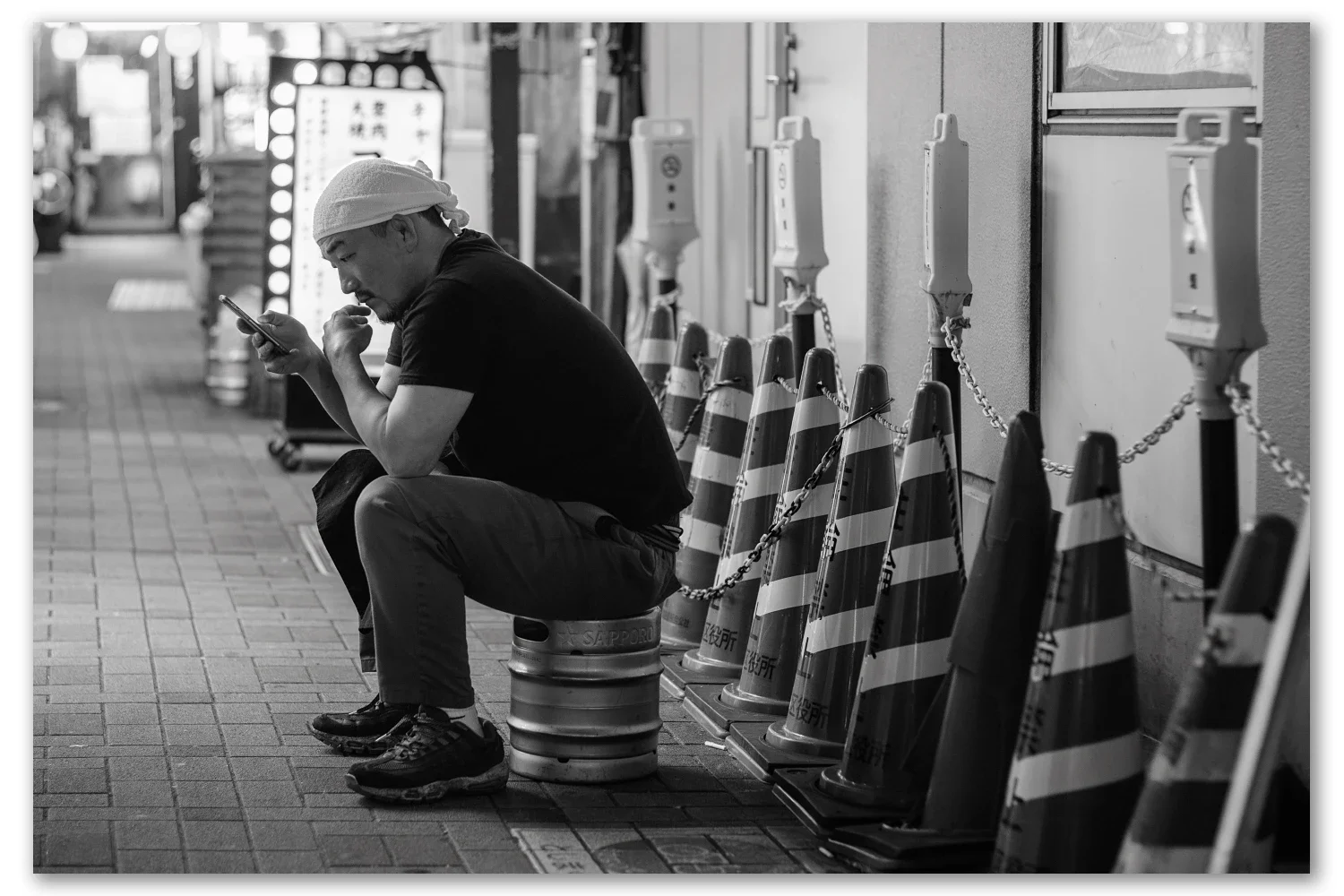



Nikkor AI-s 50mm f1.4
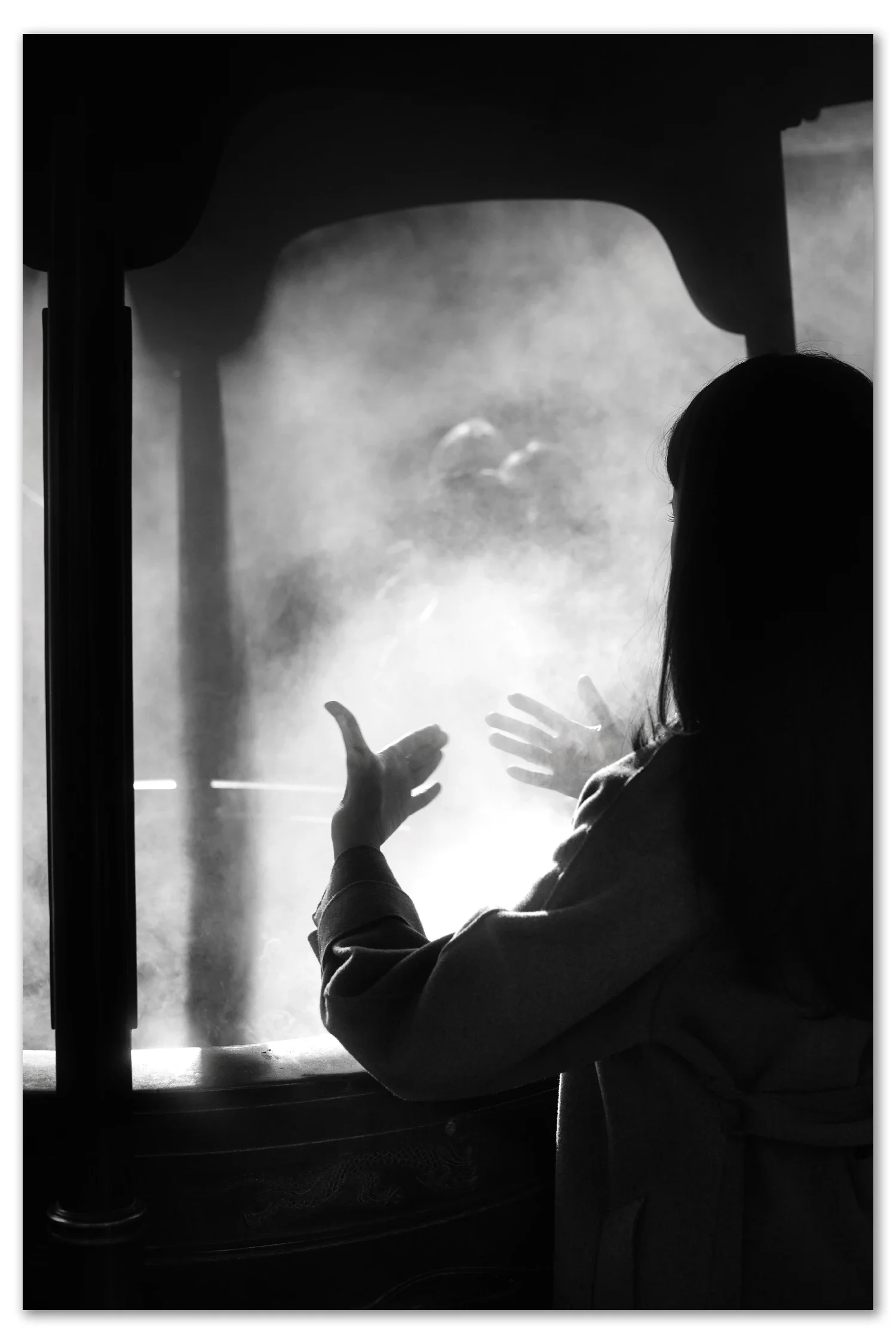

Nikkor N-C Auto 24mm F2.8
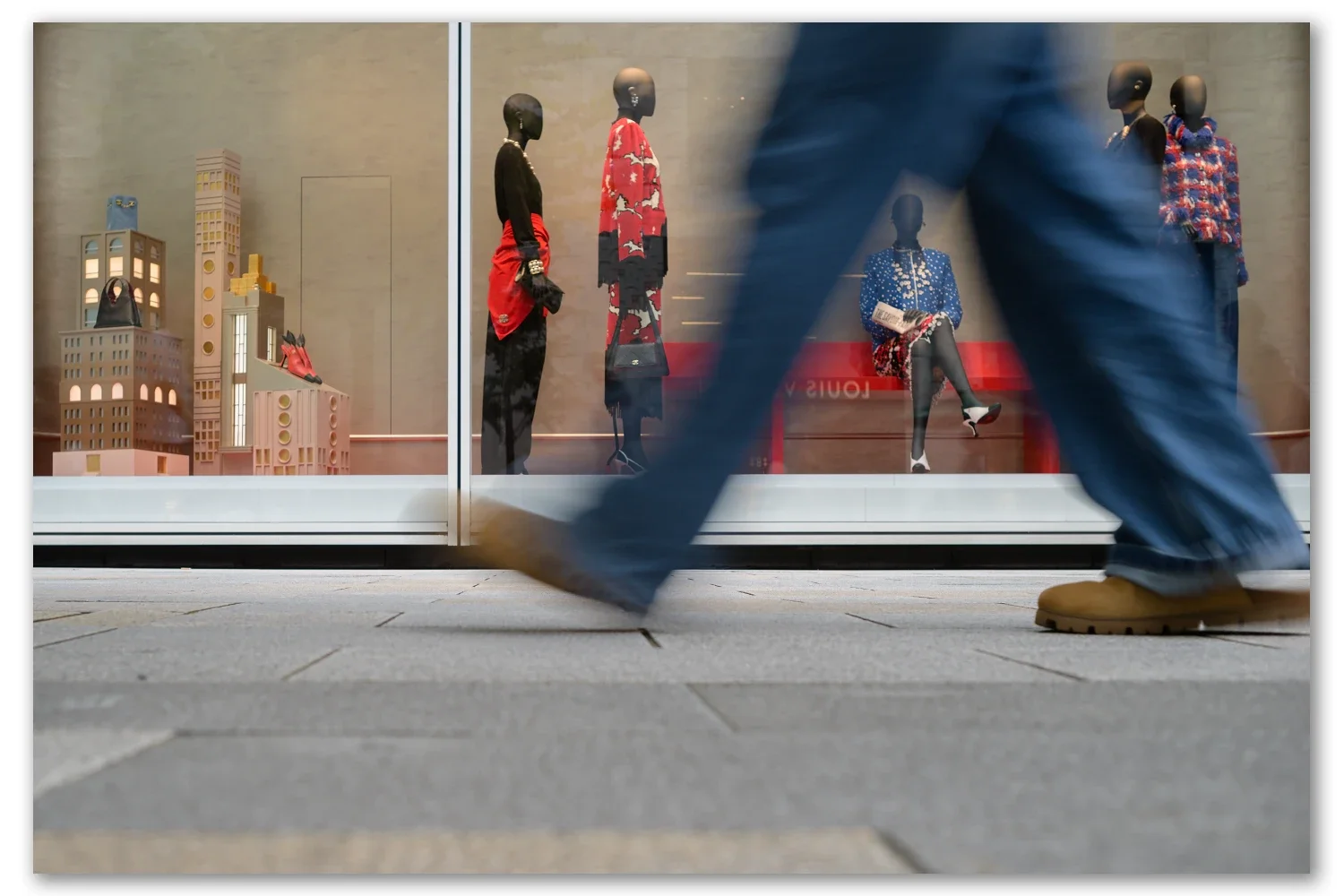
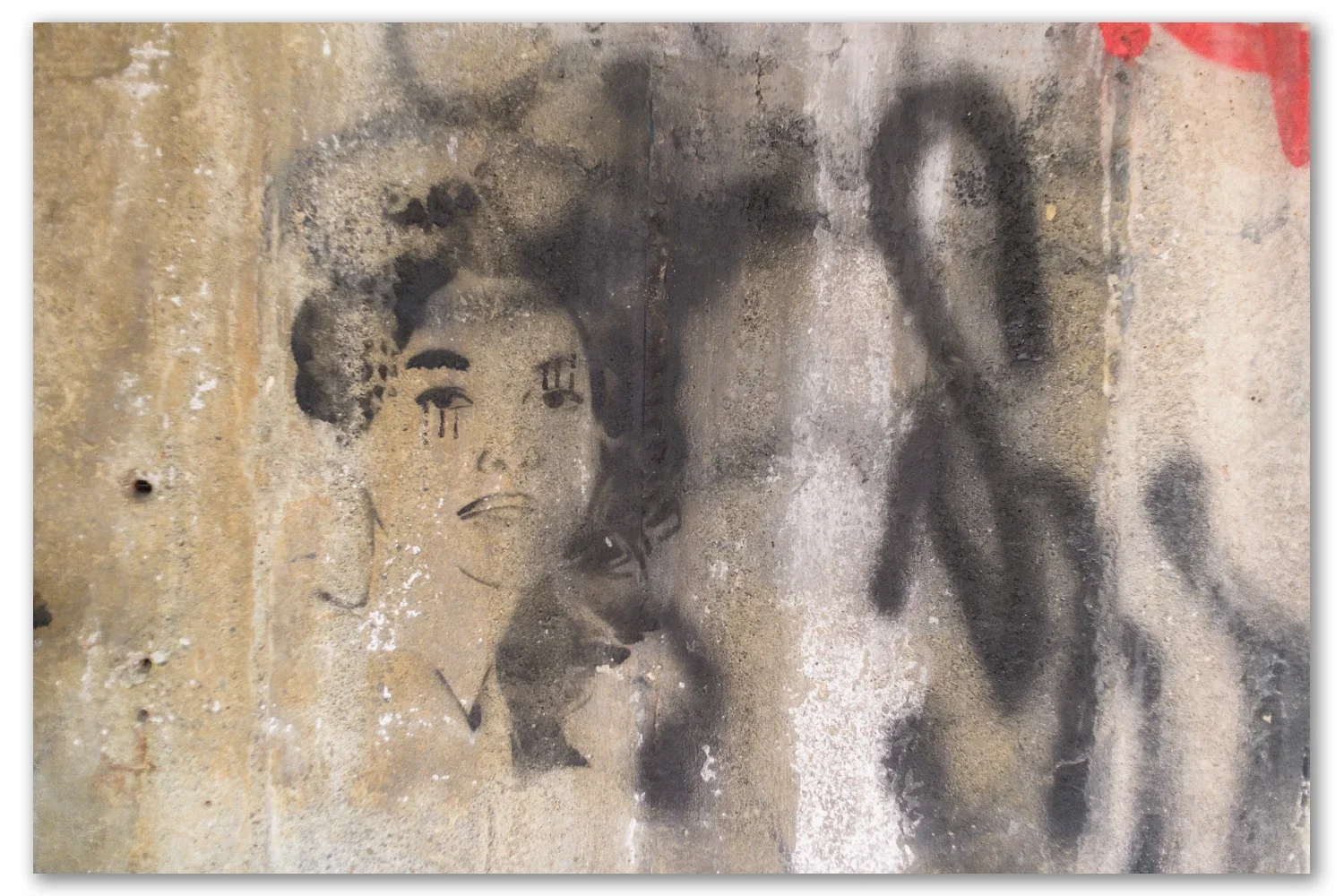

Nikkor AI-S 200mm F4


Nikkor Auto 35mm F2.8