60 Minutes With a Vintage Lens in Akihabara
60 Minutes in Akihabara
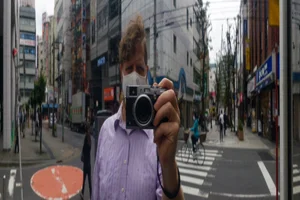
This week I spent a whirlwind 60 minutes in Akihabara. It was midday, the sun was shining, and I had a couple of vintage Nikon lenses in the bag, just waiting to get out into the grit, grime, and shine of Akihabara. I had a 135 mm Nikkor Q f 3.5, and a 50mm f 1.4, and this wonderful neighbourhood did not disappoint.
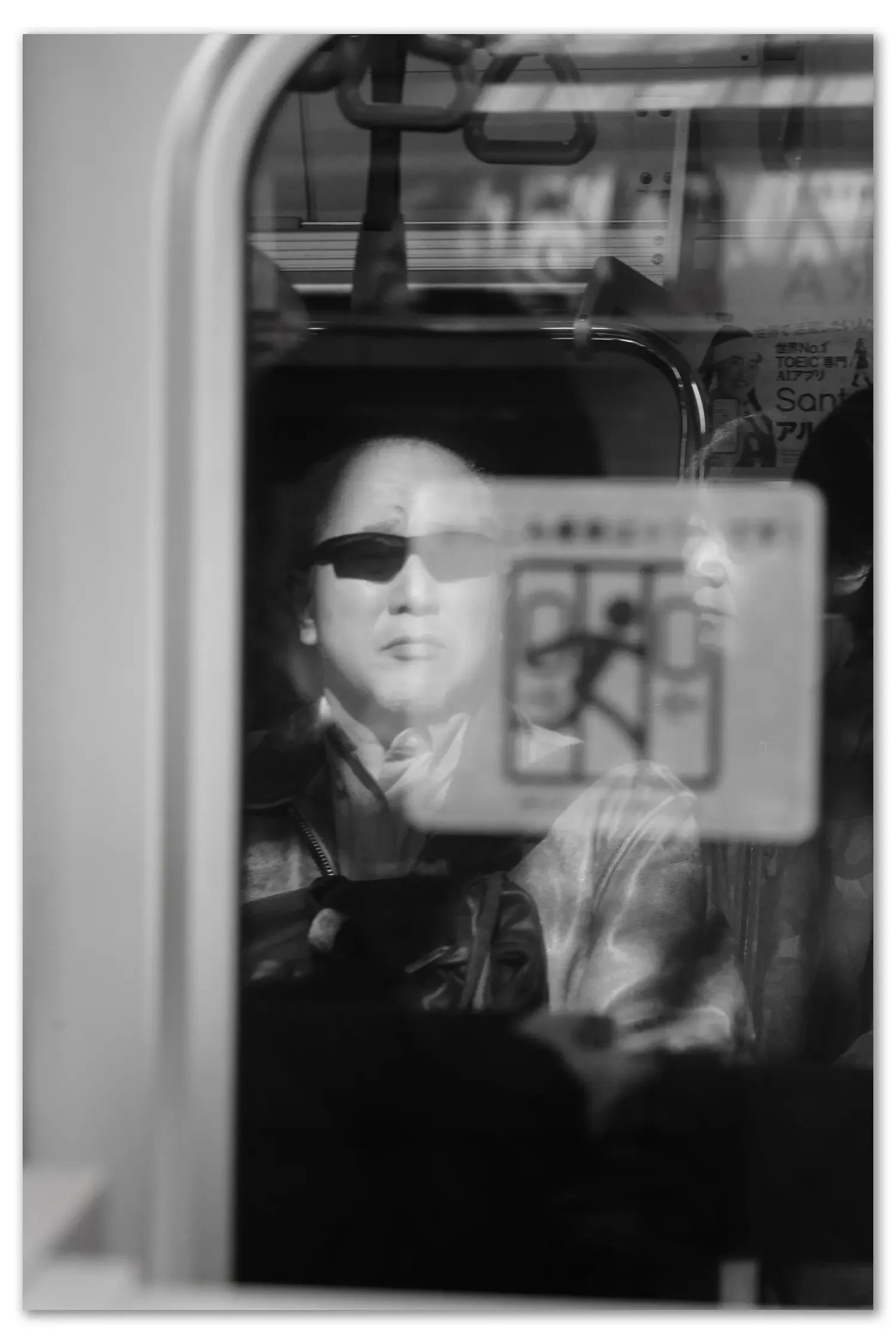
Before leaving the train station, the noon light reflecting off commuters and onto the passing train is always a great shot, but it only lasts for a short time each day. The platform is very busy even after the morning rush hour. I look for an iron post to stand next to, in order to avoid the rush of people coming off each train. After a quick find (only waited for a single train), I visited the famous Milk Luck Shop for a quick drink.
Just out of the station is the most touristy area of Akiba, shortened to match a local shrine of the same name. This spot is a great place to find people fully in their element. It didn’t take more than a single warm-up shot to find a classic-looking local seller leaning up against his stand.
Finnaly there is the odd one out crossing the street with a freak sign in the background. This kind of cosplay is ordinary in Akiba. People who work there, like the numerous girls in maid costumes, and the plethora of people just walking the main street in their favourite outfit.





Why Akihabara is Great for Street Photography
Akihabara (Akiba) is an exemplary location for street photography, with its unique blend of traditional grit and contemporary pop culture, creating a visually vibrant and dynamic environment. Photographers are drawn to its luminous neon signage, diverse crowds, and the contrast between historical and modern Tokyo scenes.
Key reasons Akiba is ideal for street photography:
Visual Density and Neon Lights: The area is famous for its bright, colourful advertisements covering every building and the glow of neon signs, which provides excellent opportunities for high-contrast, atmospheric night photography.
Diverse Subjects: Akiba is a hub for anime, manga, and gaming enthusiasts, as well as locals and tourists, providing a wide array of interesting people to photograph. You can find people in cosplay, "maid cafe" employees handing out flyers, and everyday commuters, all offering unique moments to capture.
Juxtaposition of Cultures: The district offers a compelling contrast between the futuristic, 2D anime world and the everyday reality of street life. Modern electronics stores sit alongside older, grittier alleyways and historical elements, allowing photographers to capture the tension between different eras and lifestyles.
Varied Locations: The area is large and features a mix of main thoroughfares, narrow backstreets, and busy intersections. The backstreets, with their layers of power lines and quiet moments of local life, offer a different feel from the main, bustling streets.
Pedestrian Paradise: On Sundays, the main street, Chuo-dori, is closed to vehicle traffic, creating a "Pedestrian Paradise" (Hokousha Tengoku). This provides a rare opportunity to photograph crowds and the urban landscape from unique vantage points in the middle of the road.
Dynamic Atmosphere: There is a constant bustle of activity day and night, from busy arcades to people shopping for the latest tech, creating plenty of "decisive moments" to capture the city's energy.Why Akihabara is Great for Vintage Lenses
Why Akihabara is Great for Vintage Lenses
As mentioned above, Akiba is the Perfect Photographic Environment.
Retro Aesthetic: The area itself, with its neon-lit streets and classic buildings like the Akihabara Denpa Kaikan, provides a naturally fitting, nostalgic backdrop for the unique "character" and "feel" that vintage lenses capture.
Unique Optical Qualities: Vintage lenses offer a distinct visual signature—such as unique bokeh, specific colour rendition, and a less "clinical" look compared to modern, sterile lenses—which perfectly complements the vibrant, bustling, and sometimes chaotic urban landscape of Akihabara.
Street Photography Potential: The city's vertical sprawl and dense activity lend themselves to various photographic styles, and the compact size of many vintage lenses makes them ideal for discreet, portable street photography.
Akihabara is not as well known for lens shopping, but there are a number of shops in the area offering a wide variety of quality lenses.
Specialized Shops: Akihabara hosts several stores dedicated to used and vintage cameras and lenses, such as 2nd BASE (also known as SeekBase) and Akiba Camera, making it a "treasure trove" for enthusiasts.
Wide Variety: These shops stock an extensive range of brands, including sought-after Japanese manufacturers like Pentax, Nikon, and Canon, as well as European brands like Leica and Zeiss.
Quality and Condition: Stores are known for offering items in great to perfect condition, often with staff who can provide expert advice, making the search for specific, quality lenses more fruitful than in other locations.
Test Before You Buy: A key feature of some shops, like 2nd BASE, is the ability to test almost any lens with your own digital camera using a mount adapter, which removes much of the risk associated with buying used equipment.
Accessories: Beyond just lenses, these shops also stock essential accessories such as mount adapters, film, and other components needed to use vintage gear with modern digital or film cameras.
As always, I would love to hear your story in the comments below. If you feel so inclined, share a coffee with me. I am a flat white kind of guy. Happy shooting, everyone.
To book a tour, visit my photo workshop/photo tour website, or email directly jeff@tokyoforgeries.com