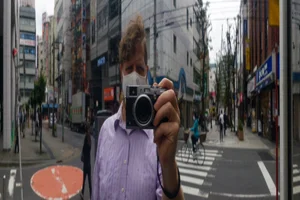
A Nikkor Auto 35mm ƒ2.8 Field Test Across Tokyo
The Unremarkable Lens: A Nikkor Auto 35mm ƒ2.8 Field Test Across Tokyo
A most unremarkable lens — which is exactly why it's remarkable. It has no features to brag about. It is as simple as it gets. It's exactly what a 35mm lens should be, and it's exactly why I love it.
The lens I stopped carrying
For the longest time, I shot with a modern 35mm ƒ1.4, and I loved it. Wonderful colour rendition. Incredibly fast optics. The problem: a little too big, a little too heavy, and clinically sharp. Not just center sharpness — everywhere, all-the-time sharpness.
The longer I had it, the less I used it. I couldn't put my finger on it because initially I was smitten. I had made some genuinely wonderful images with it. But I was reaching for it less and less. I thought maybe I'm just not a 35mm guy. Then I noticed the same thing happening with several other contemporary ƒ1.4 lenses I owned. I was leaving them at home and carrying a smaller, lighter, manual-focus vintage 50mm Nikkor instead.
What I was missing was the way lenses render. Of course, I want my lens to be sharp — but that doesn't mean edge-to-edge sharpness across the entire frame. I want the out-of-focus areas to roll off that sharpness into a creamy, painterly rendering. Not to be abstract or overly artistic; it's simply how you see the world. You focus on one thing, maybe two, and the rest just fades away.
Waiting for the right copy
It took time to find a 35mm vintage Nikkor. They're popular, and therefore expensive, and I couldn't justify the price. So I decided that the right lens at the right time would come by. That day came this week — a very reasonably priced, very reasonable Nikkor Auto 35mm ƒ2.8. I bought it on the spot.
The ƒ2 and ƒ1.4 versions have a little more pedigree, a little more je ne sais quoi. They also often cost quite a bit more. I'm not looking for expensive. I'm not looking for special. I'm looking for a nice, even render. That is exactly what a 35mm should do: no tricks, nothing extraordinary. Record what's in front of the glass, just as it is.
A short history of an unfamous lens
The 35mm ƒ2.8 is one of Nikon's oldest working ideas. The first Nikkor-S Auto 3.5cm ƒ2.8 arrived in 1959, two months after the Nikon F itself — an early retrofocus design, seven elements in five groups, so difficult to assemble accurately that its slow production became a real setback for Nippon Kogaku. In 1962, they redesigned it: seven elements in six groups, a Gauss-type rear group to tame the spherical aberration, coma, and field curvature. That version carried the "Auto" name until the mid-seventies, when the line marched on through New Nikkor, AI, and AI-s revisions — Nikon tweaking the same modest lens for thirty years without ever making it famous.
That's the lineage this copy belongs to. Not a legend like the 105 ƒ2.5, not a cult object like the 35 ƒ1.4. A working lens, revised patiently across decades because ordinary photographers kept buying it to do ordinary work. There is something honest in that pedigree — or rather, in the absence of one.
My copy is the common one — the 1962–74 redesign, seven elements in six groups, the version that fixed the assembly problem and then stayed in production for twelve years. The unglamorous version of an unglamorous lens. It felt right.
The field test: four districts, one day
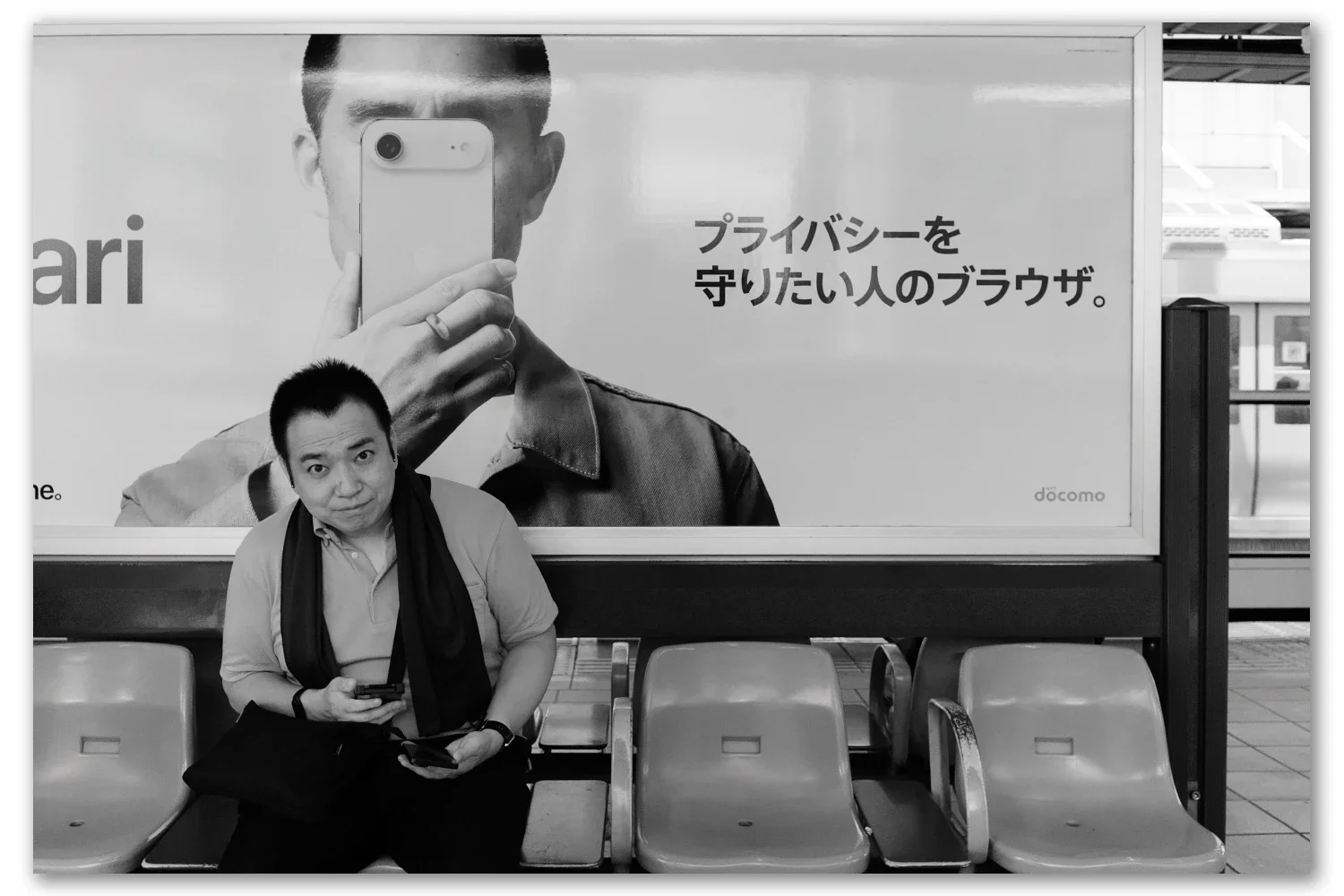
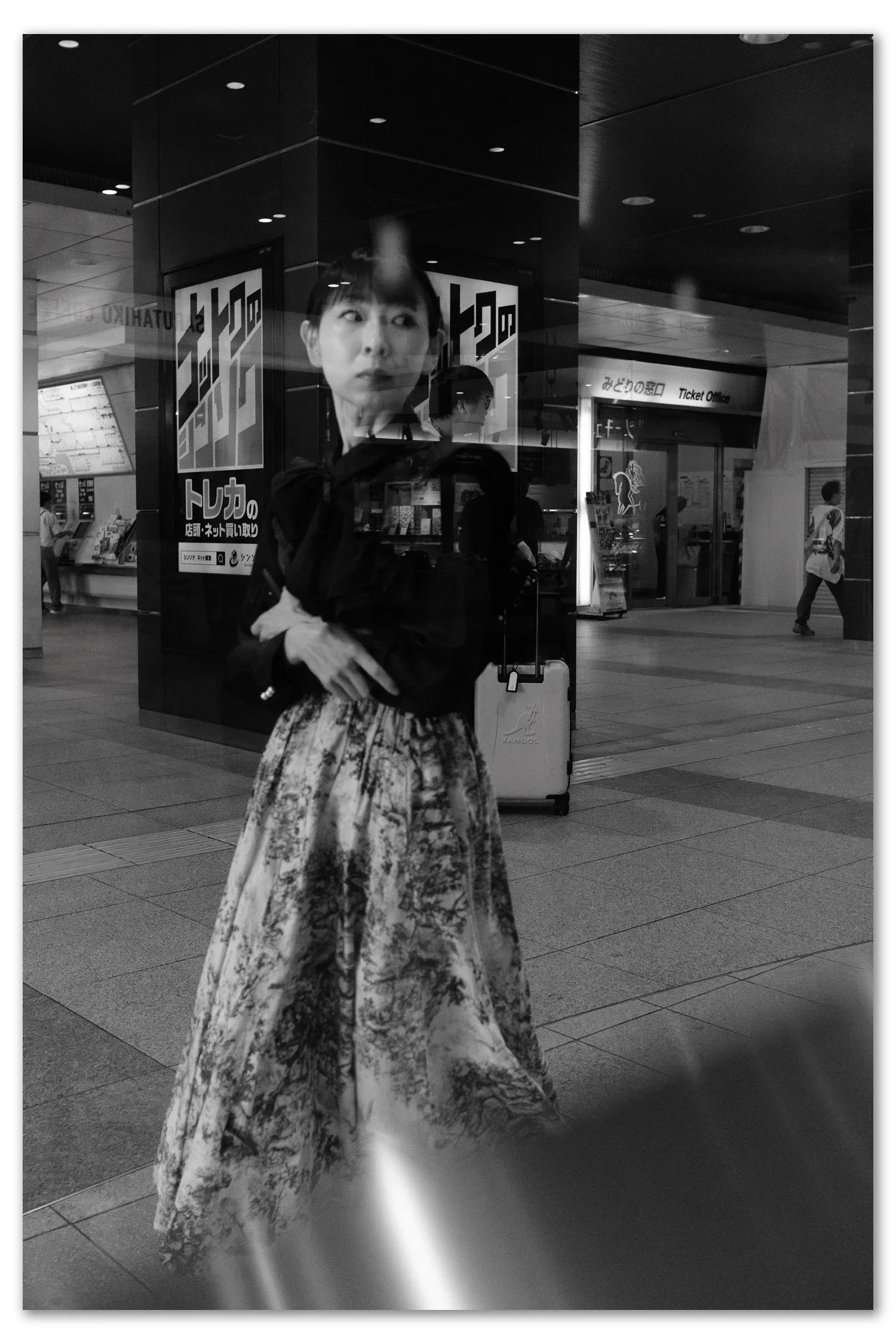
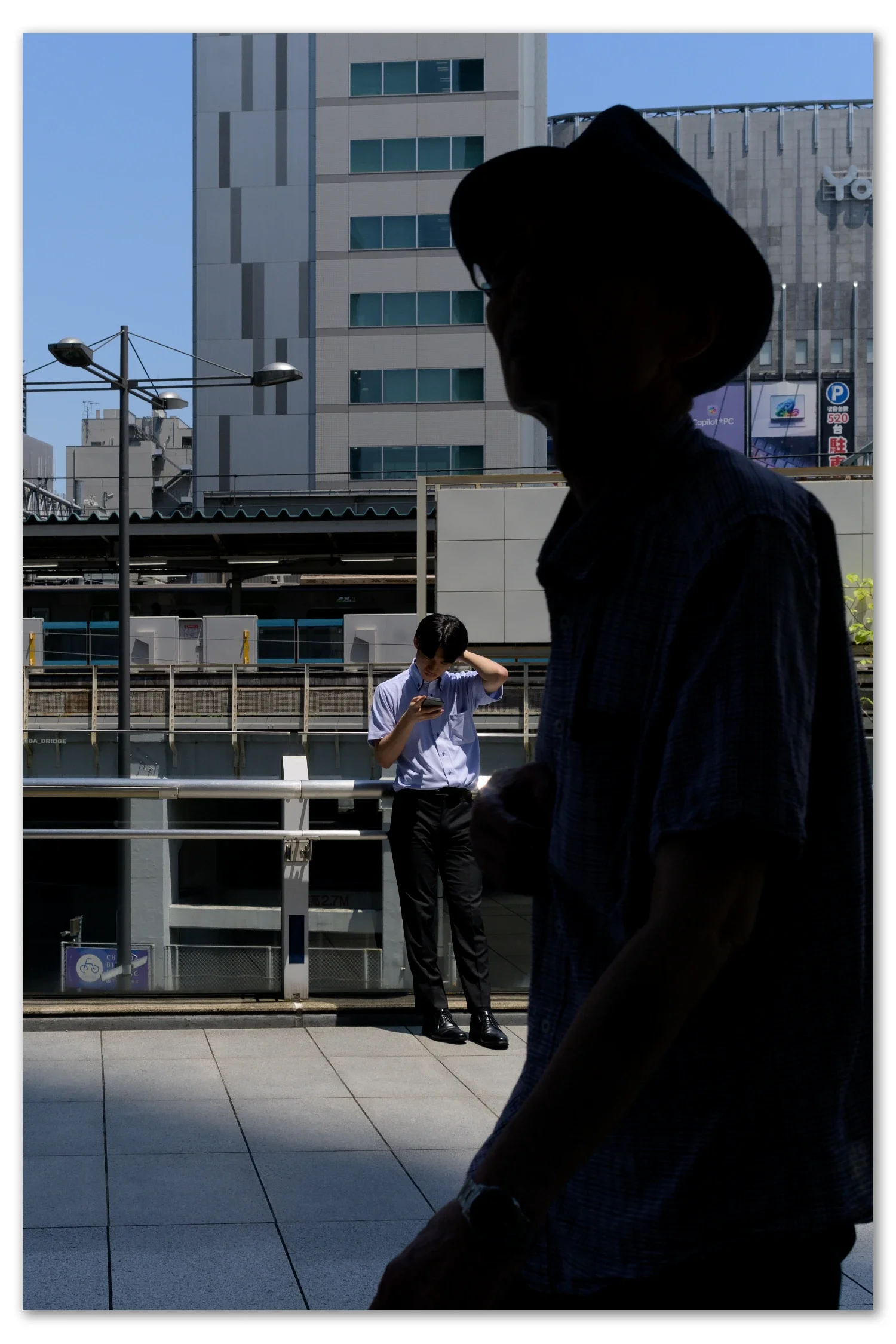
The best way I know to test a lens is to hit several locations in a single day. Keep moving. Don't think too much about it. What matters is that the lens feels good in the hands and looks good in the final image.
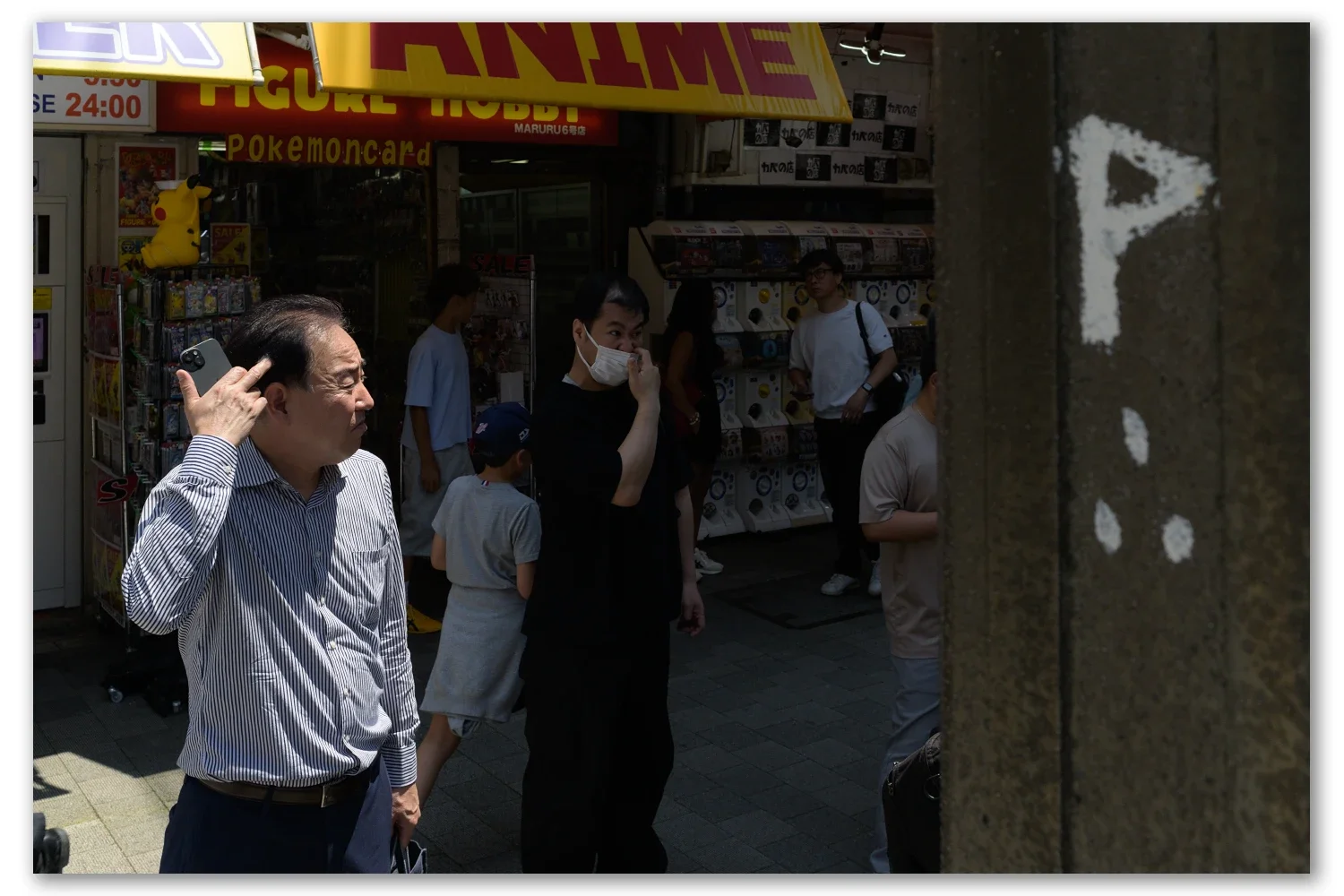
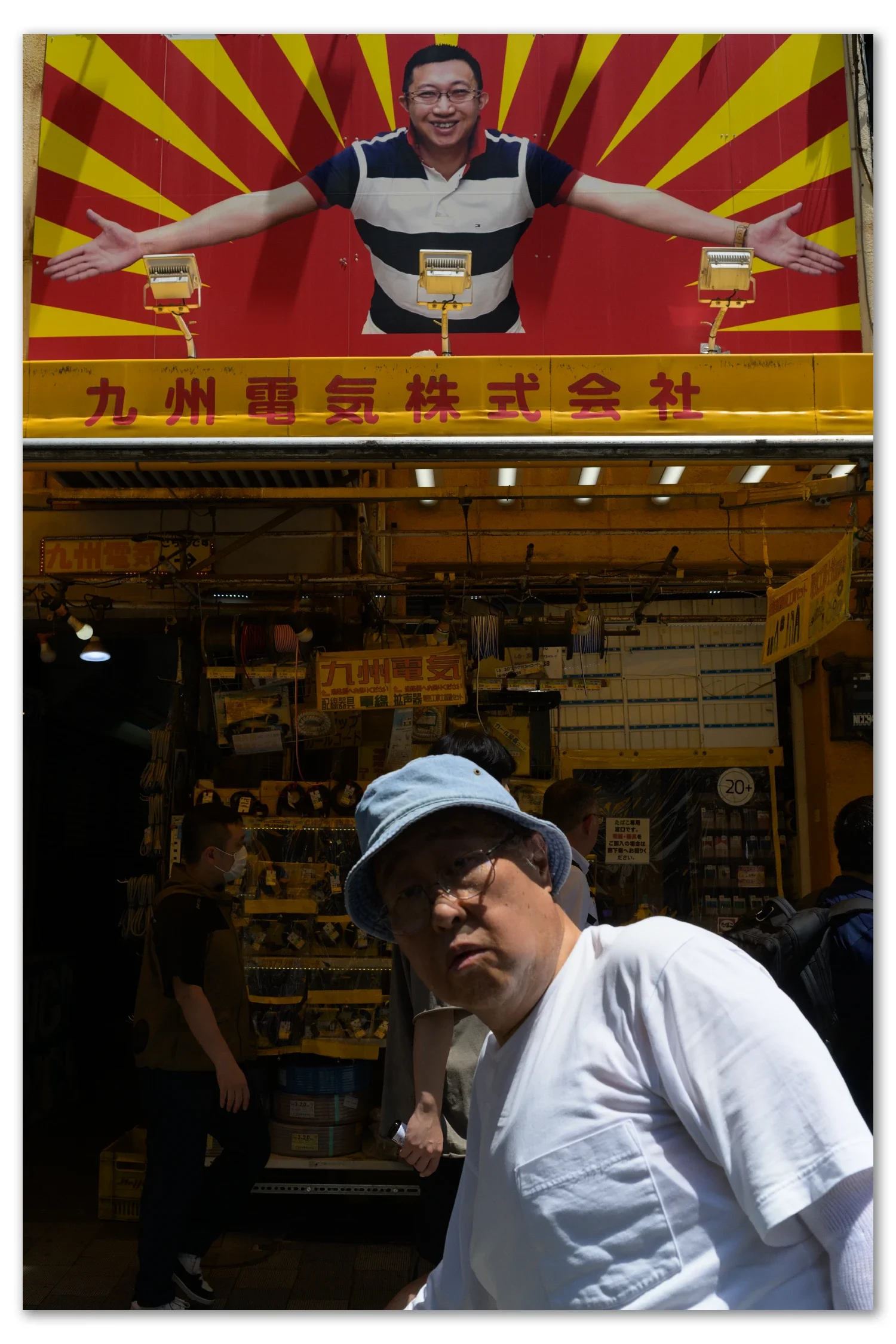
Ginza, Ueno, Yurakucho, Akihabara. Very warm; partly cloudy, partly sunny — perfect testing conditions. A little sun, a little cloud, a little shade. Four grounds that ask four different questions of the same piece of glass.
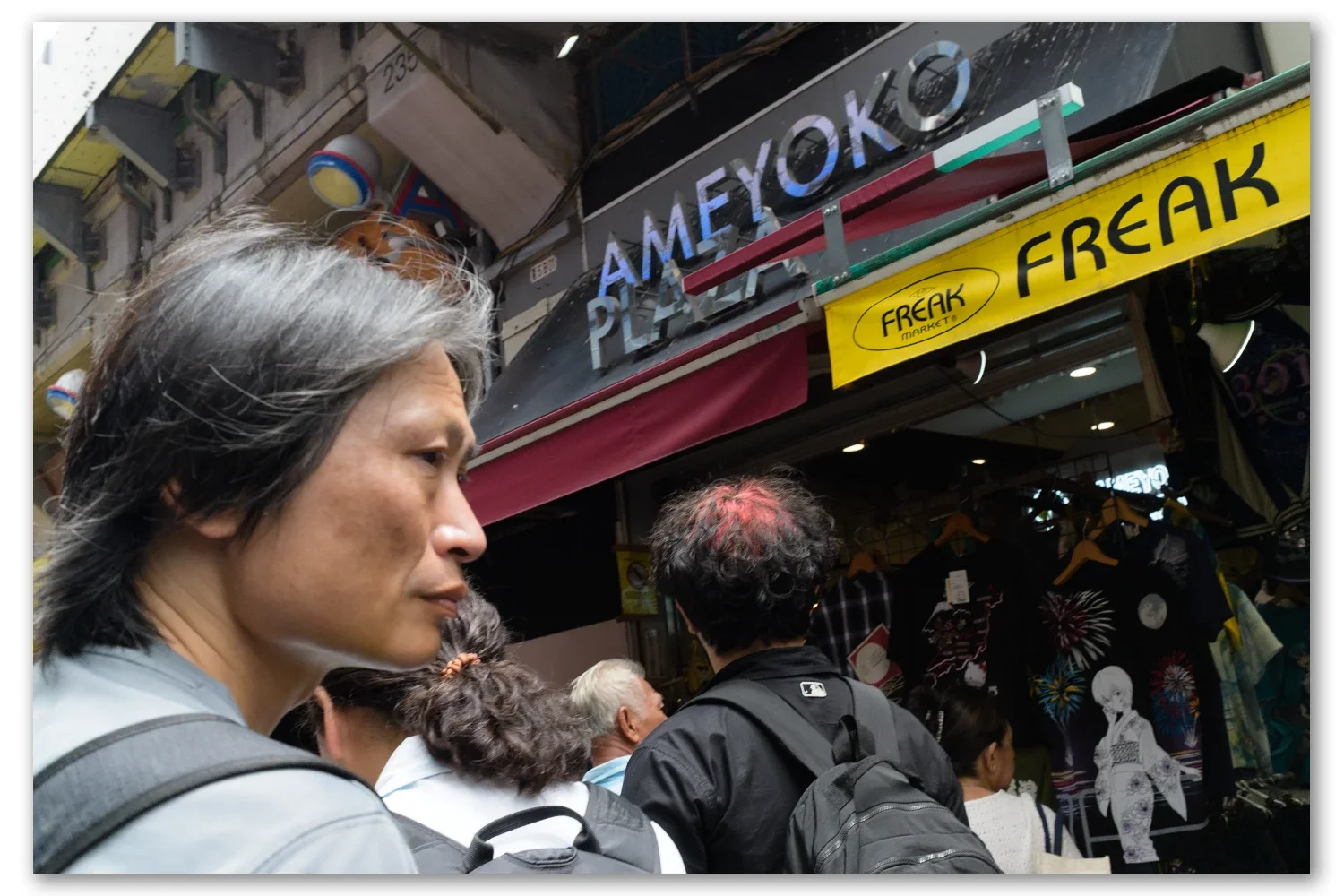
Ueno. The morning ground. Under the Ameyoko arcades, the light arrives secondhand — bounced off shutters, pooled on wet concrete, fluorescent where it isn't daylight. This is where a lens's contrast character shows itself: too punchy and the shadows go to mud, too flat and the market loses its grit. The 35 held the middle. ISO climbed, the lens didn't complain.
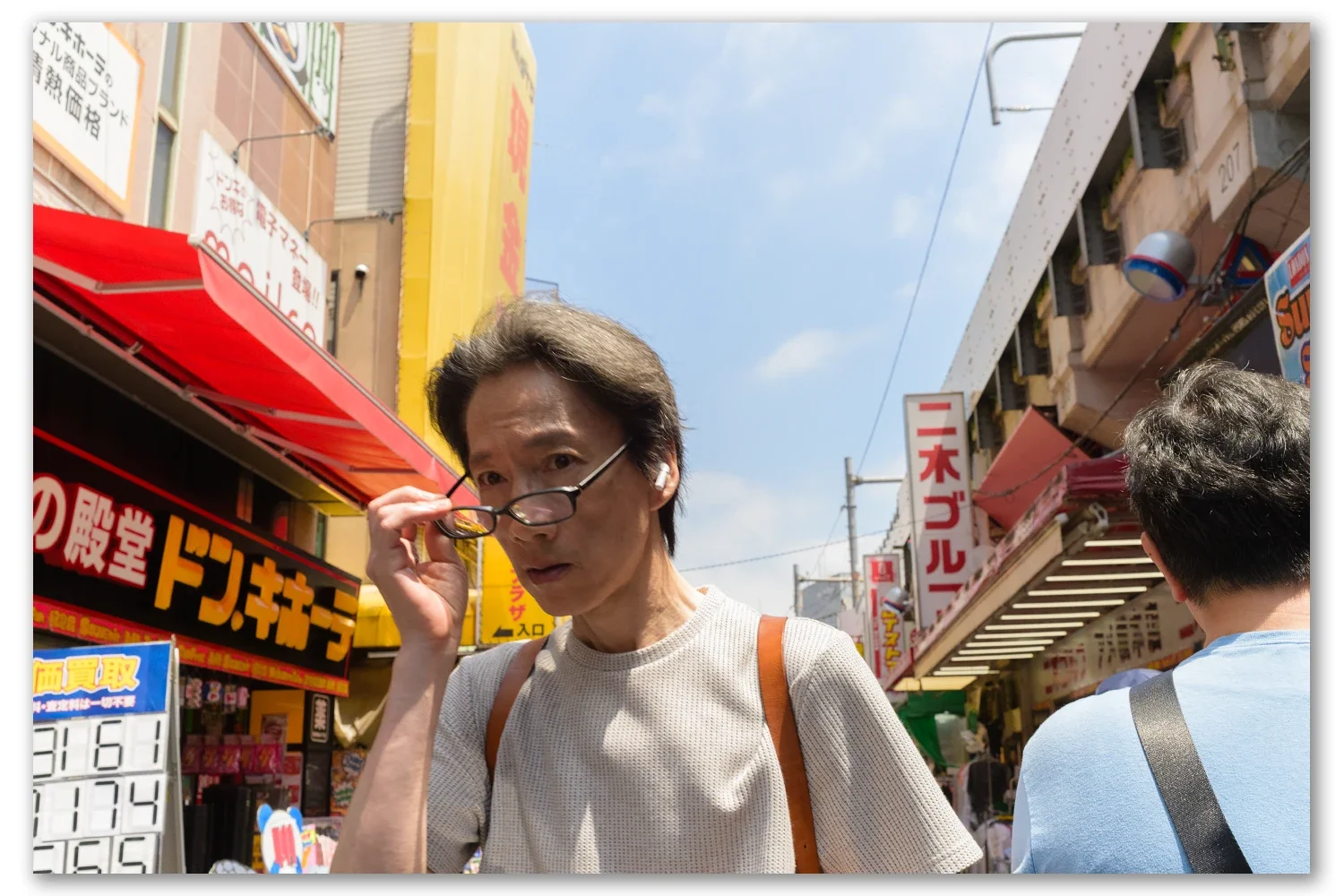
Akihabara. Density. Signage stacked on signage, crowds that close around a frame before you finish it. At 35mm, you're inside the crowd, not observing it, and the lens's small profile matters as much as its optics — nobody reads a lens this size as serious. Colour rendition takes its exam here too; Akihabara's palette is a stress test, and "a little warm but neutral" is exactly what you want handed back.
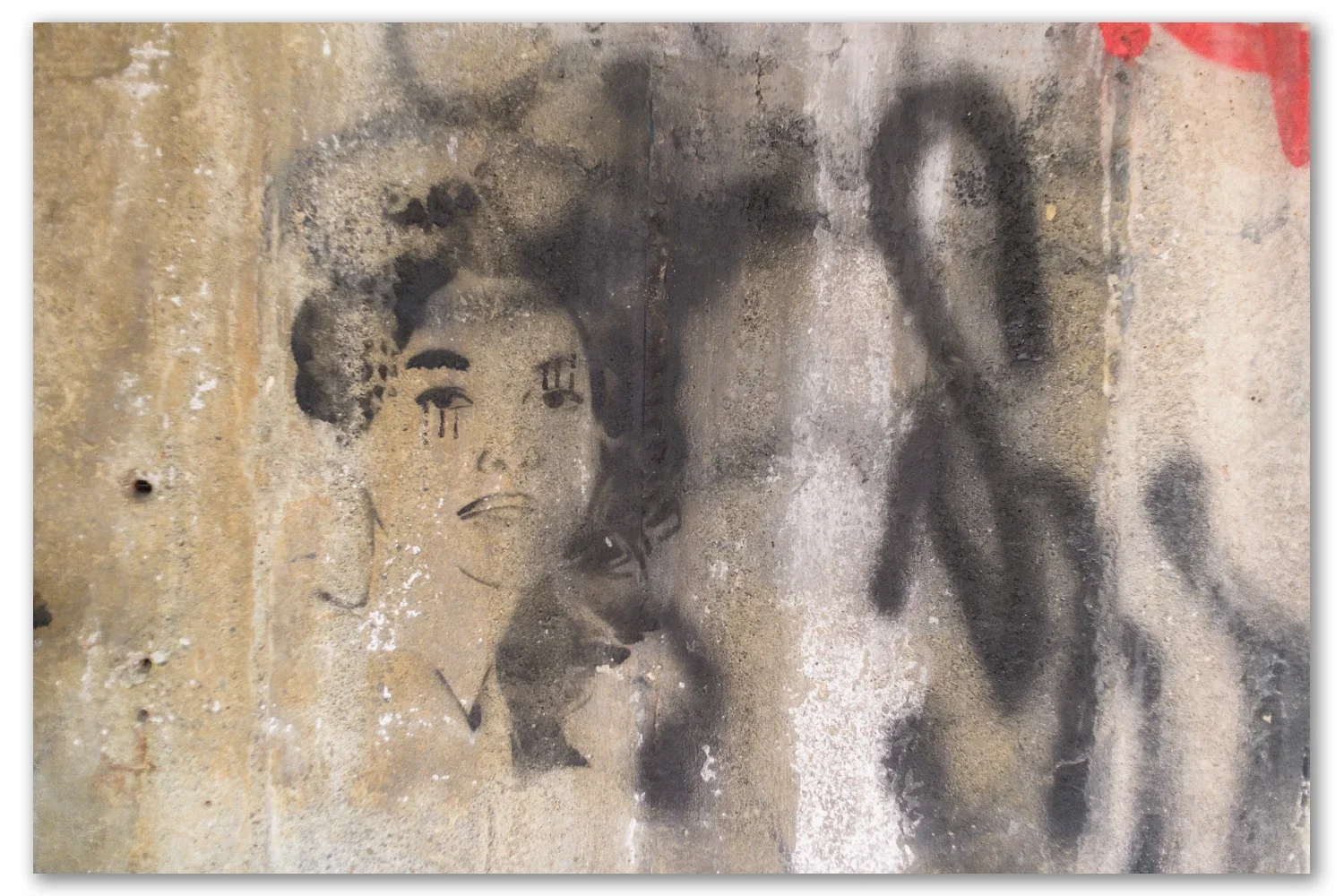
Yurakucho. Under the Yamanote brickwork arches, the oldest light in the test — dim, directional, gapped. This is flare country: point anything single-coated toward the arch mouths, and you learn its manners immediately. A little flare, the controllable kind, is a passing grade.
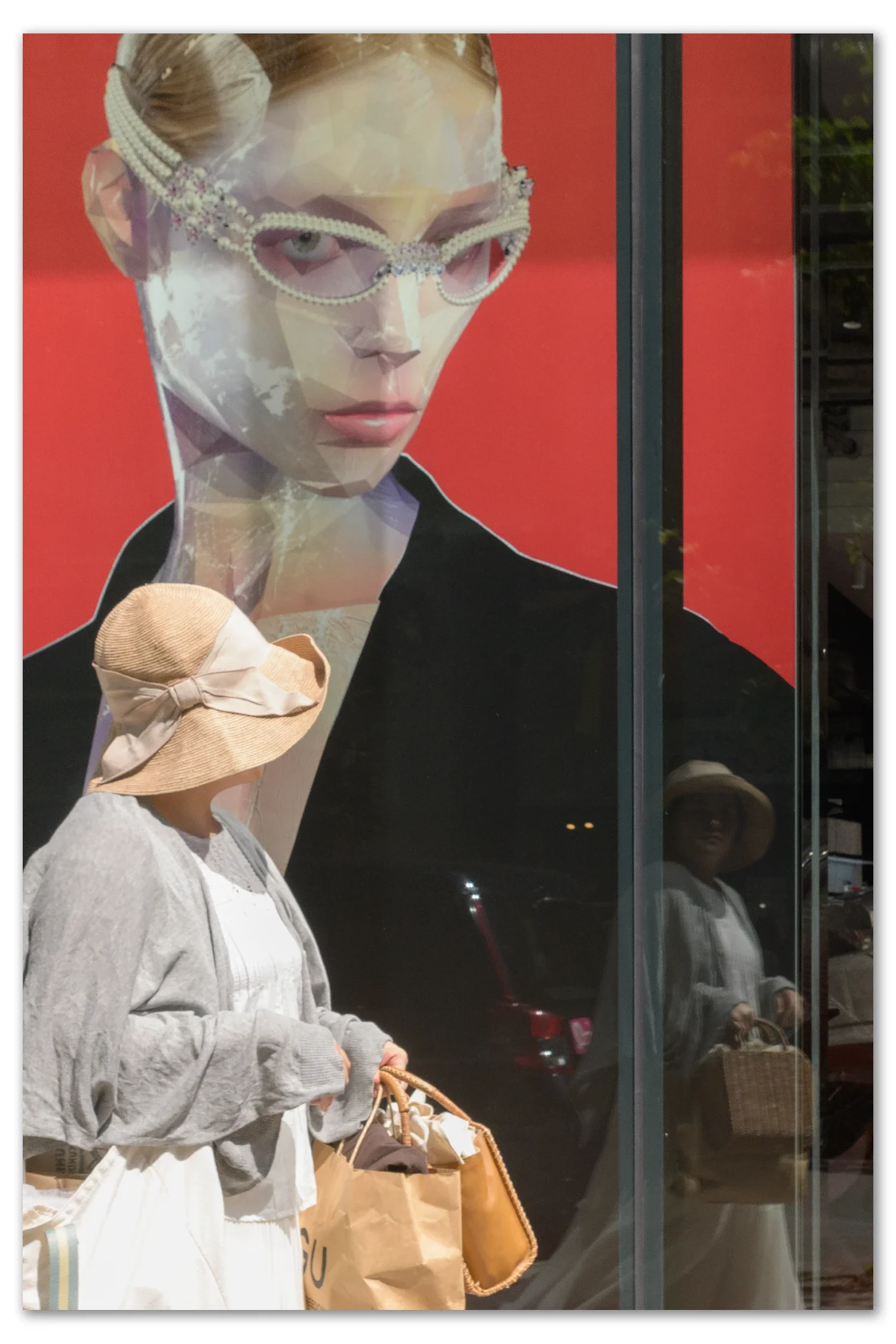
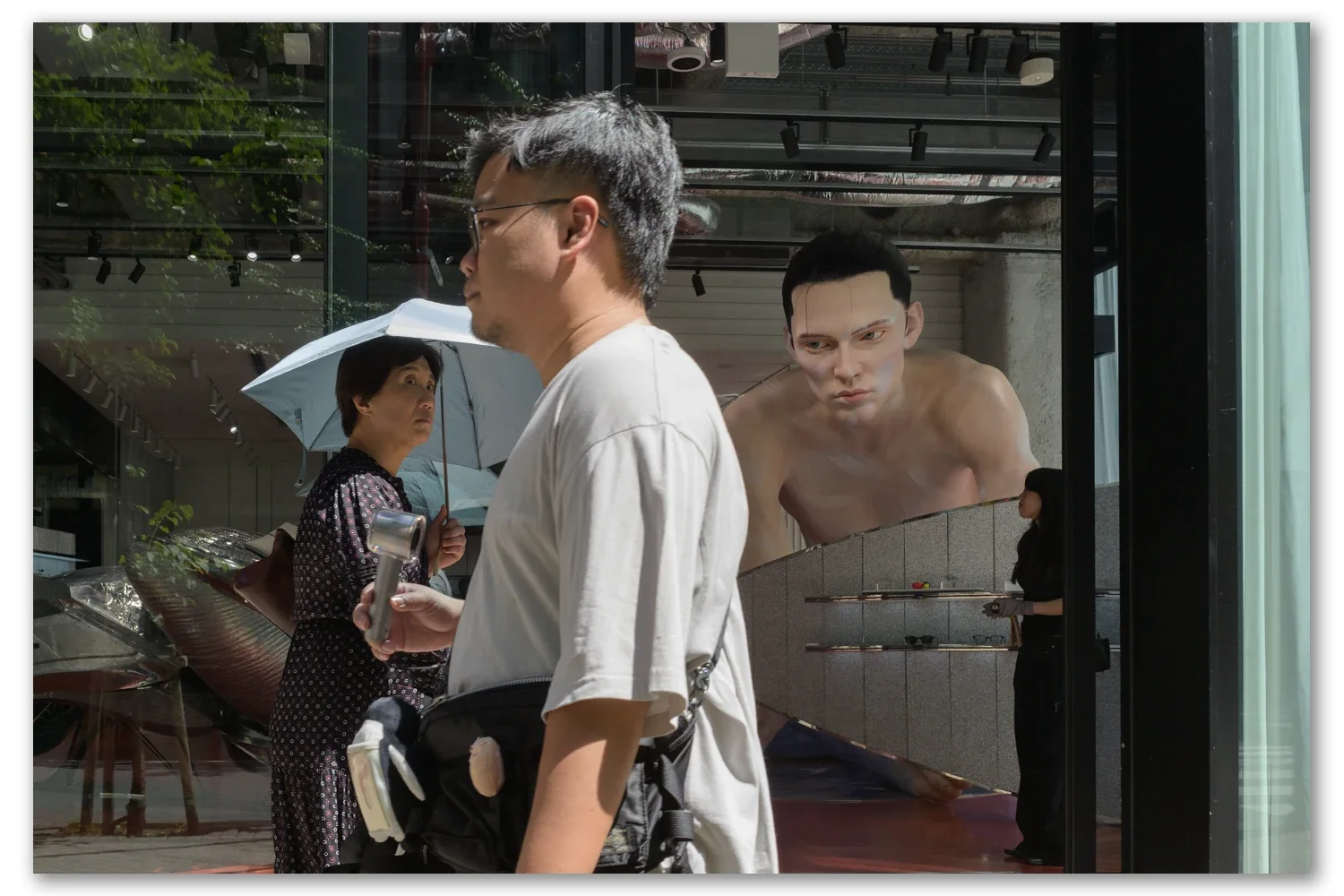
Ginza. The afternoon ground, and the cruellest to cheap glass: hard sun off plate glass and polished stone, mannequins and reflections layered three deep in shop windows. Micro-contrast and rendering do the work here — the point of focus needs to hold against all that competing shine, and the roll-off needs to keep the layers legible. This is where the lens either looks expensive or doesn't. It looked like it cost more than it did.
The verdict
As advertised, this lens is completely unremarkable. It's hard to find anything really special to say about it. It just does its job.
It renders colour well — a little warm, but neutral. Contrasty without being punchy. Sharp at the point of focus without being ridiculous about it. It gave me a little flare, but a nice amount: controllable, usable. The lightweight and small profile made it easy to handle. Simple to change the ƒ-stop, simple to focus. It felt right in the hands.
If there is one thing you might call remarkable about this lens, it's that you forget it's there. It just does its job, and I'm not thinking about how to finagle every last bit of quality out of it. It works, it works well, and I'm glad it's part of the kit now.
The full method behind days like this — the routes, the etiquette, the darkroom — is what the masterclass teaches one-on-one. → Tokyo Forgeries Masterclass.
The streets never look the same way twice. I’m curious—how does this side of Tokyo hit you? Drop a comment below.
I live on flat whites and shutter clicks. If you’ve found value in these shots, toss a coffee my way to keep the sensor humming.
See you in the shadows.
Tokyo Forgeries is an evolving archive of Tokyo street photography and vintage-lens deep dives. We spend 30 days in every ward, using mid-century brass and glass to capture the city’s soul. This is a roadmap for the active pursuit of craft—documented through the geography of Tokyo and the character of its light.