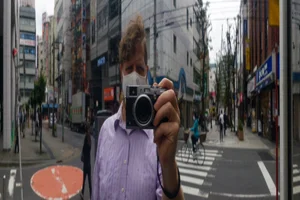
Vintage Street Photography Lens Test in Tokyo
Vintage Lens
Actually, there are two lenses, and both push the boundary for what a street photography lens is. I love using a range of common focal lengths in my Tokyo street photography. I change my focal length regularly to challenge myself and grow my vision. One day I shoot with a 28mm lens; the next day I switch to a 50mm lens; some days I go with something a little longer. I love the 135mm focal length, and I recently lost my lens to mechanical failure. I did the research and decided to go vintage, really vintage, 1960s vintage.
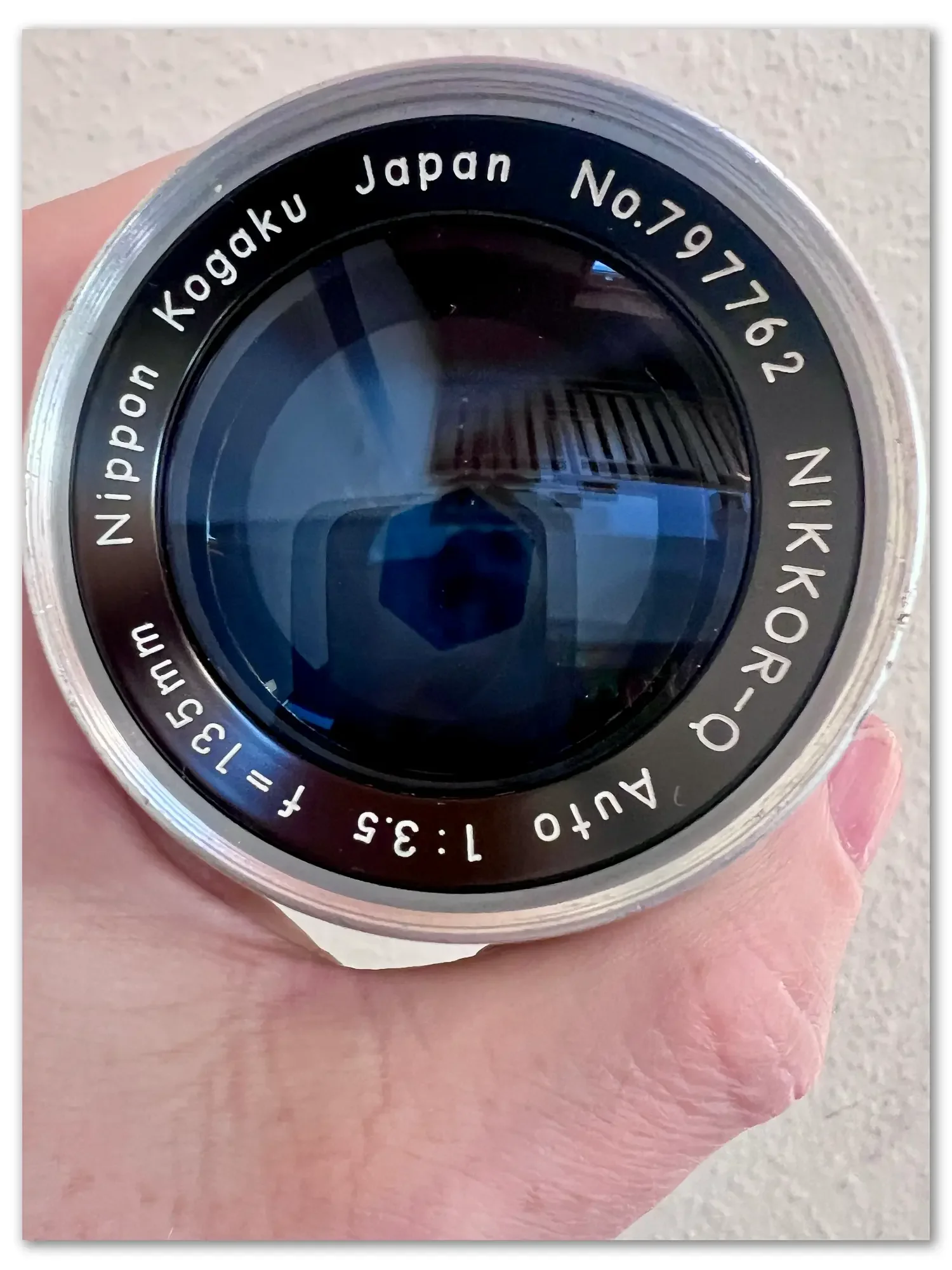
I purchased a Nikkor-Q Auto 135mm f/3.5 from a used camera shop in Tokyo. The cost was low, but the lens is in great shape. No mould or haze, a single dust speck that hasn’t found its way into an image, and the helicoid is buttery smooth. It seems this copy was manufactured in the late 1960s. Production on the Q-135mm began in 1959 and ran until 1979. Three variations were made: the original, my lens, which has 6 aperture blades, reduced from the original, and the third lens, which introduced lens coatings. This lens was a staple in the Nikon lineup.
The earliest version would have been great, as its 9 aperture blades would render beautifully, but that model is difficult to find in good-to-great condition, which I require. The latter model has lens coatings that I want to avoid, as the flaws in the lens are what make it so perfect. What I am looking for is a finished look right from the lens. I know how I want an image to render, and the more I shoot with older glass, the closer I get to it.
Vintage Lens Image Rendering
What is meant by vintage lens rendering? Google's AI search suggests:
Vintage lens rendering refers to the unique, often imperfect, aesthetic qualities that older lenses impart to digital photos, characterized by softer focus, dreamy bokeh, unique colour shifts, distinct lens flare, and lower contrast, creating an organic, film-like, nostalgic, or painterly look that contrasts with modern lenses' clinical sharpness. It's a subjective "feel" from optical traits like less advanced coatings, adding character, emotion, and a distinct artistic signature to the image
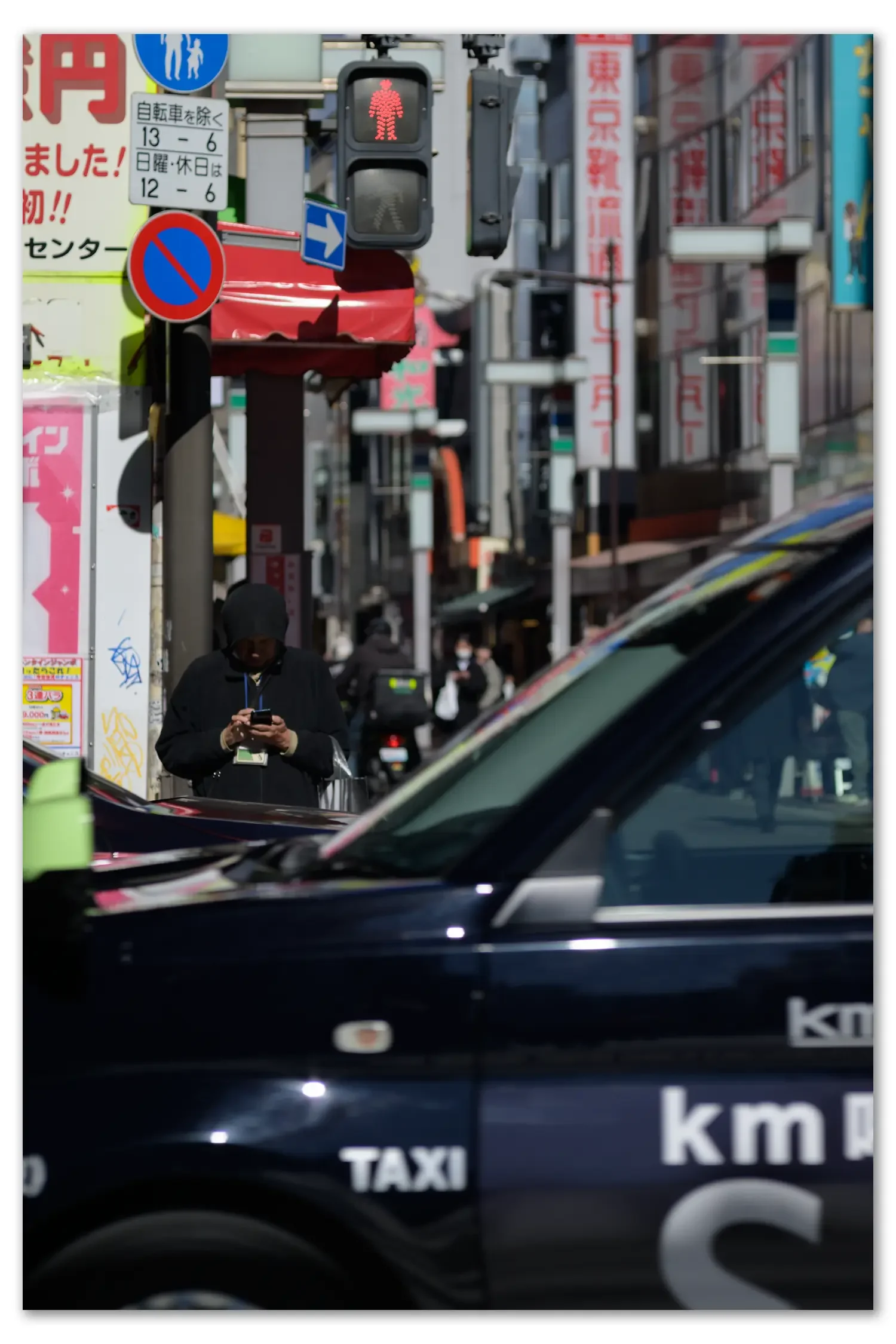
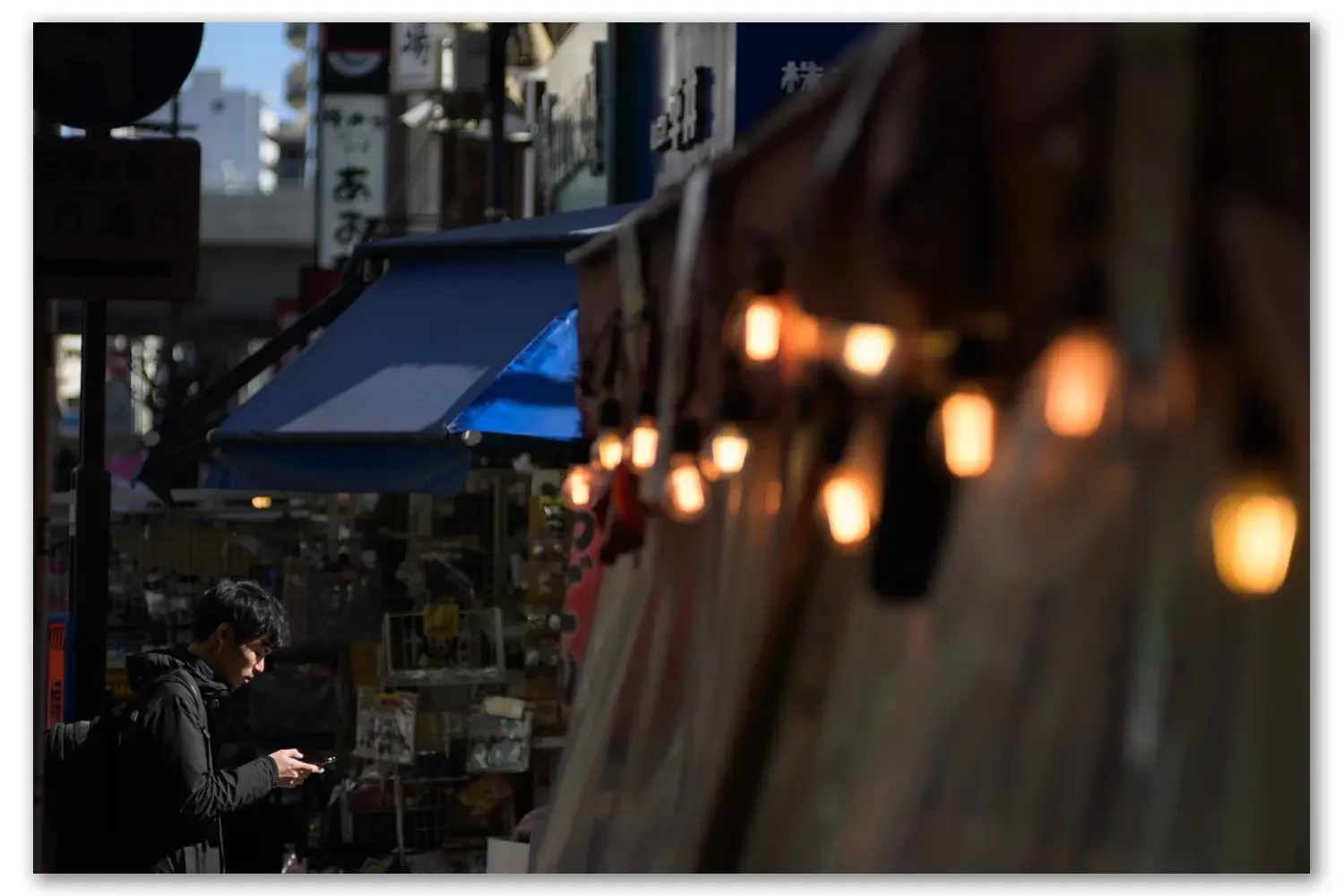
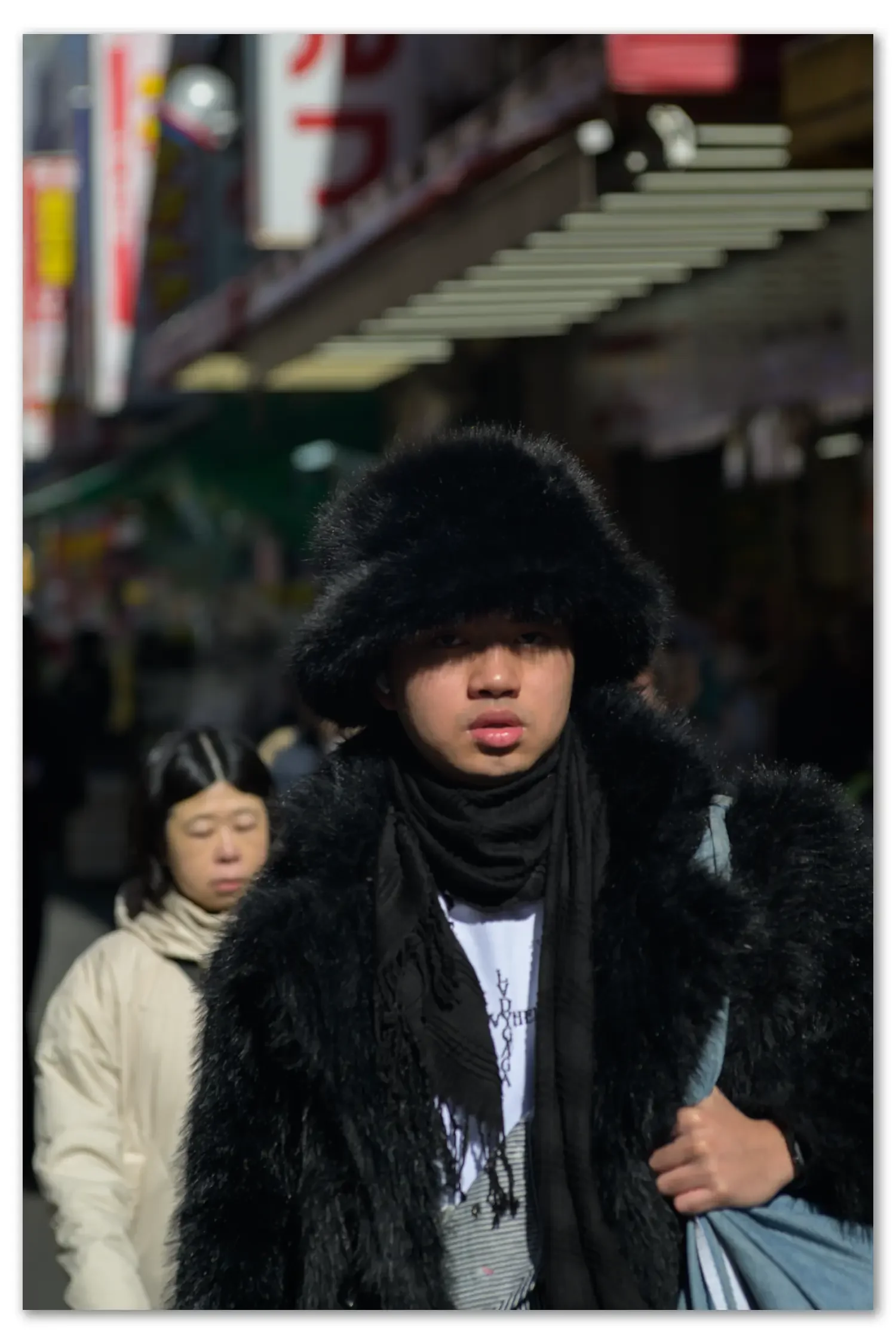
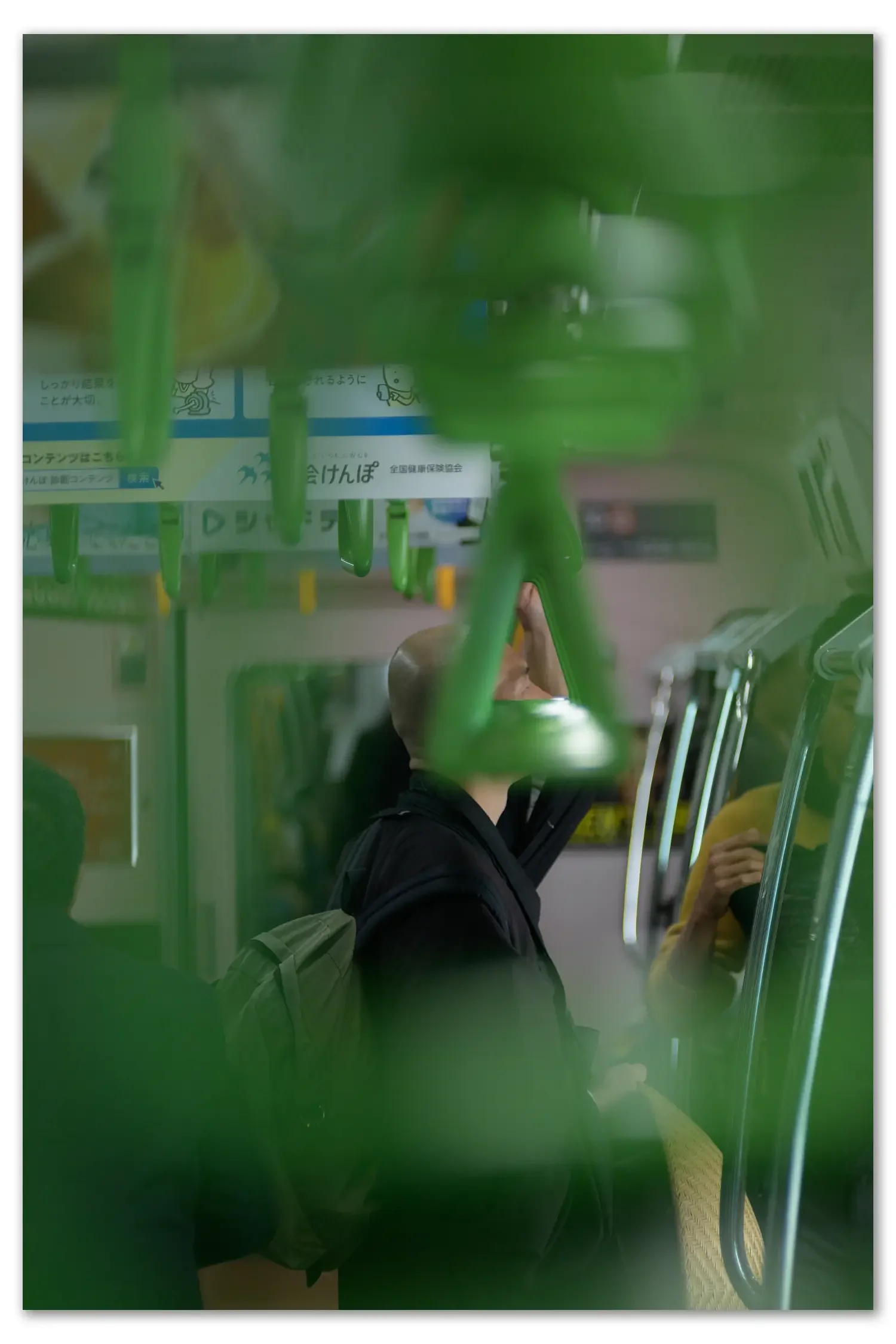
Old lenses were often designed to balance sharpness with the look a lens could achieve. New lenses seem to do the exact opposite; they lack balance in favour of uniformity. What makes the Nikkor-Q Auto 135mm f/3.5 such a gorgeous lens is that sharpness rolls off slowly into creamy soft out-of-focus goodness. When the entire frame is in focus, it renders organically rather than mathematically sharp, unlike current lenses. The phrase "roll-off" can not be overstated here. It is that perfect transition from A to B.
Is 135mm A Street Photography Lens?
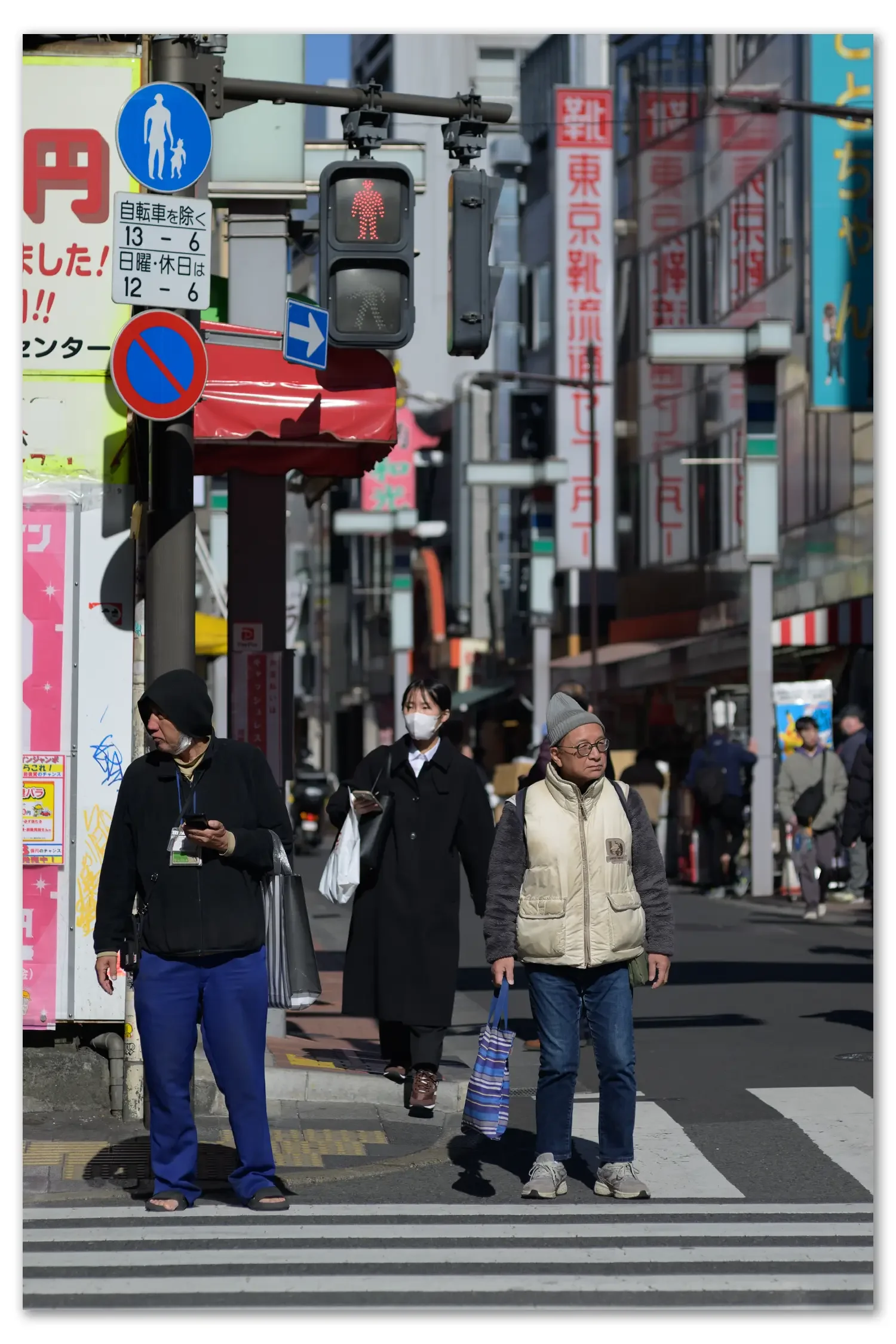
Traditionally, it is not. 35mm and 50mm lenses, which are closer to what the human eye sees, are proper street photography lenses. I agree 100%. The obvious factor of being present with your subject is what these lenses provide. I use both regularly. Two things often happen for me on the streets of Tokyo, which may be different in other cities. I can't often stand where I want to. Either it’s dangerous, or my large frame blocks traffic flow, which ultimately changes the environment. The other is that my mind wanders into the abstract, and I must follow it. A longer focal length solves both these problems.
I have fallen quite in love with the idea of 85mm, 105mm and 135mm focal lengths. Many of my best images have been taken with those lenses. As I take a moment to think about those pictures, I don’t recall anyone asking about the focal length. They were just good pictures, and they exist as good pictures, not stuck in the category of focal length.
Traditionally, the 135mm is not a great choice for street photography. It is a great choice when you have shot all the traditional focal lengths and still have something more to say.
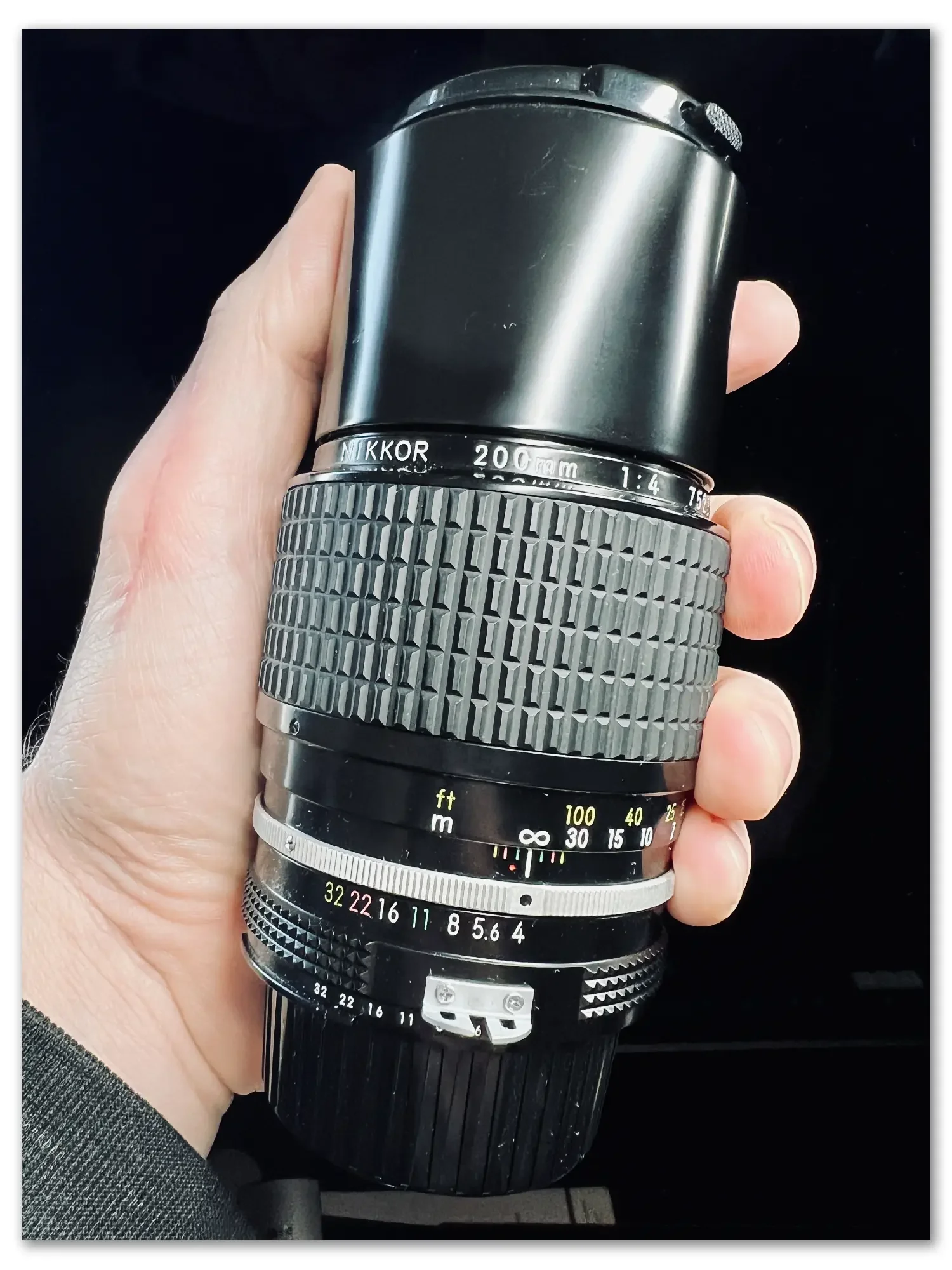
200mm Vintage Lens
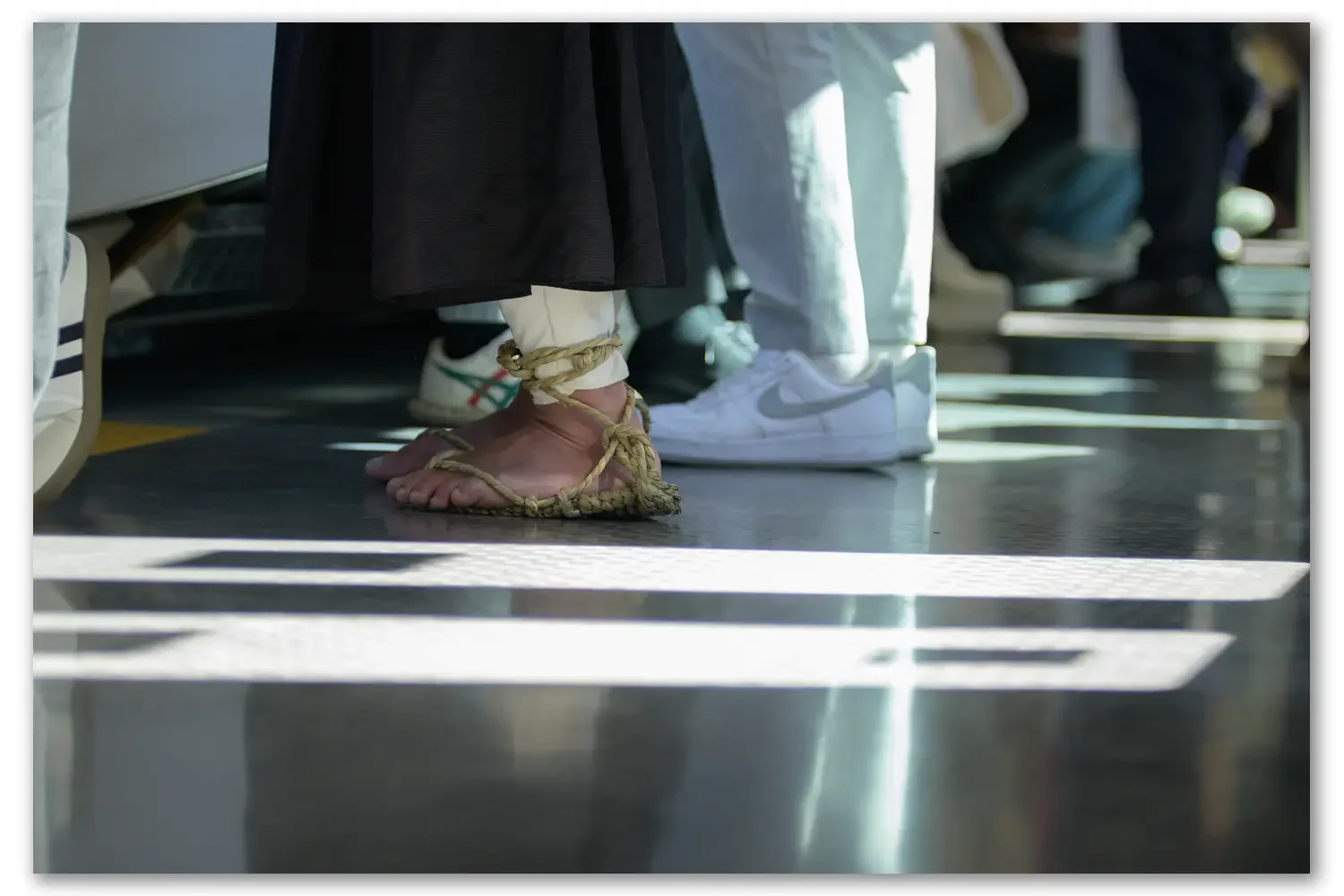
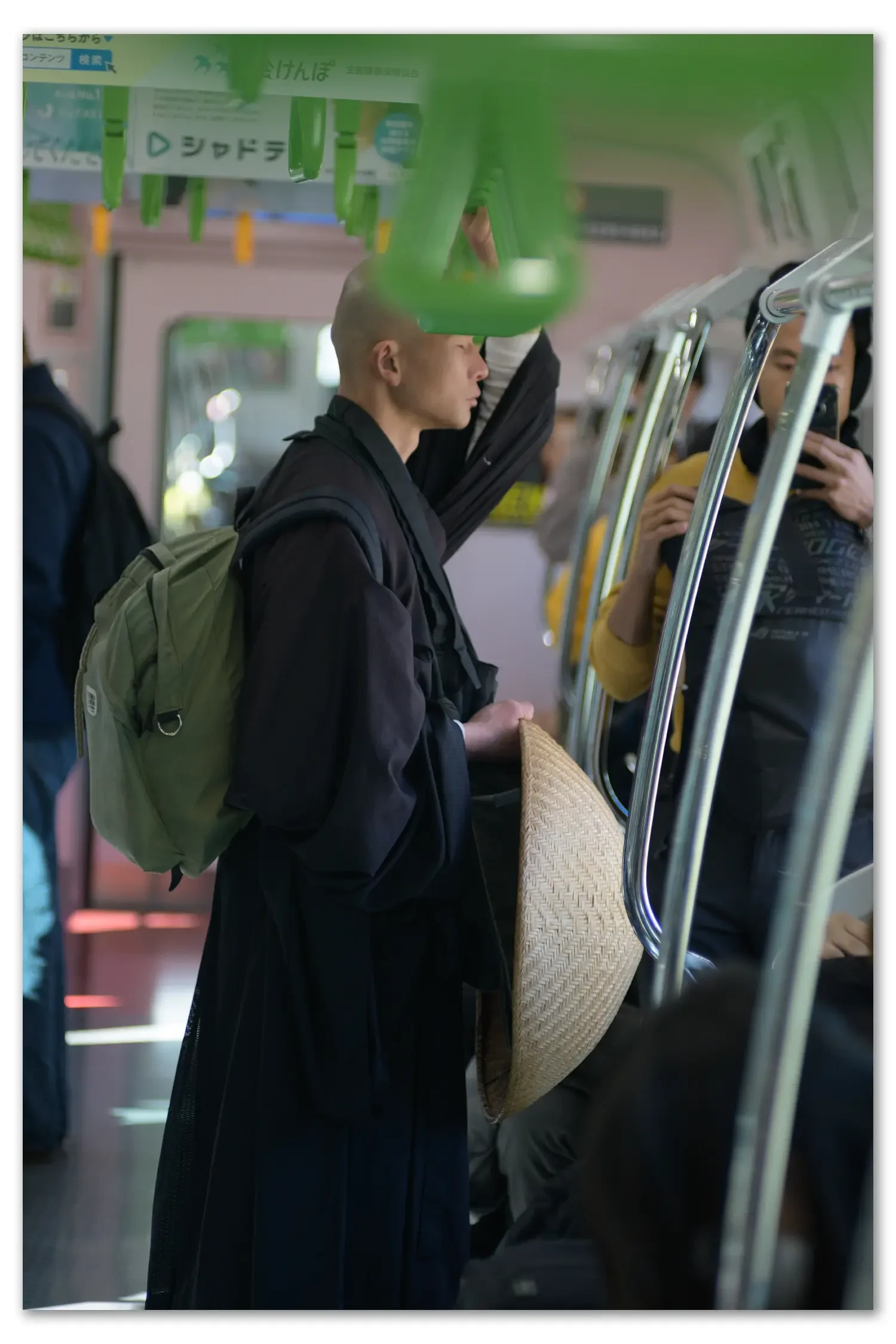
In my defence, this lens was bought for two specific reasons, but has since found its way onto the camera with other intentions. The main reason I purchased the Nikkor 200mm F4 was for video work and to capture details. On my first day out with this lens, I shot neither video nor details. I used it like any other lens I have in my bag. I shot reflections and people. As the lens fits in the palm of my hand, it really didn't feel like a 200mm lens.
I don’t imagine this becoming a staple in the bag all the time, lens, and that it will eventually do the work it was primarily purchased for. However, there is no need to rush this experience. Taking time to enjoy it and allow the lens to come into its own naturally seems to be the right play here.
The argument over whether this is a street photography lens is unnecessary. The optics of this lens are similar to those of the 135mm lens, sharing many characteristics. It balances great on the camera and is wonderful in the hands. At 200mm, the use case scenario for most street photography situations is quite limited. However, in those few cases, I will have the lens that makes sense to me. Did I mention how small it is in comparison to the standard 200 mm?
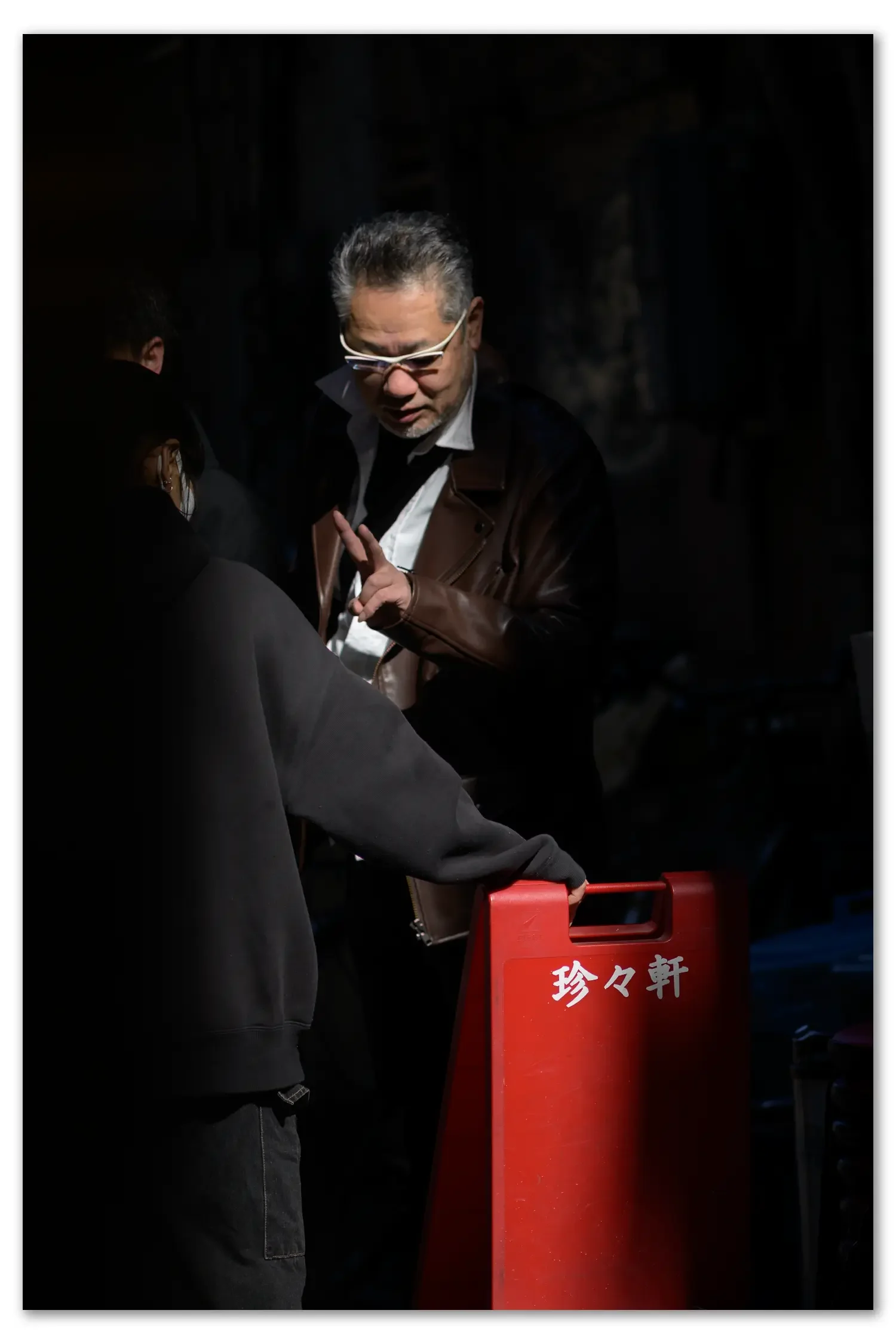
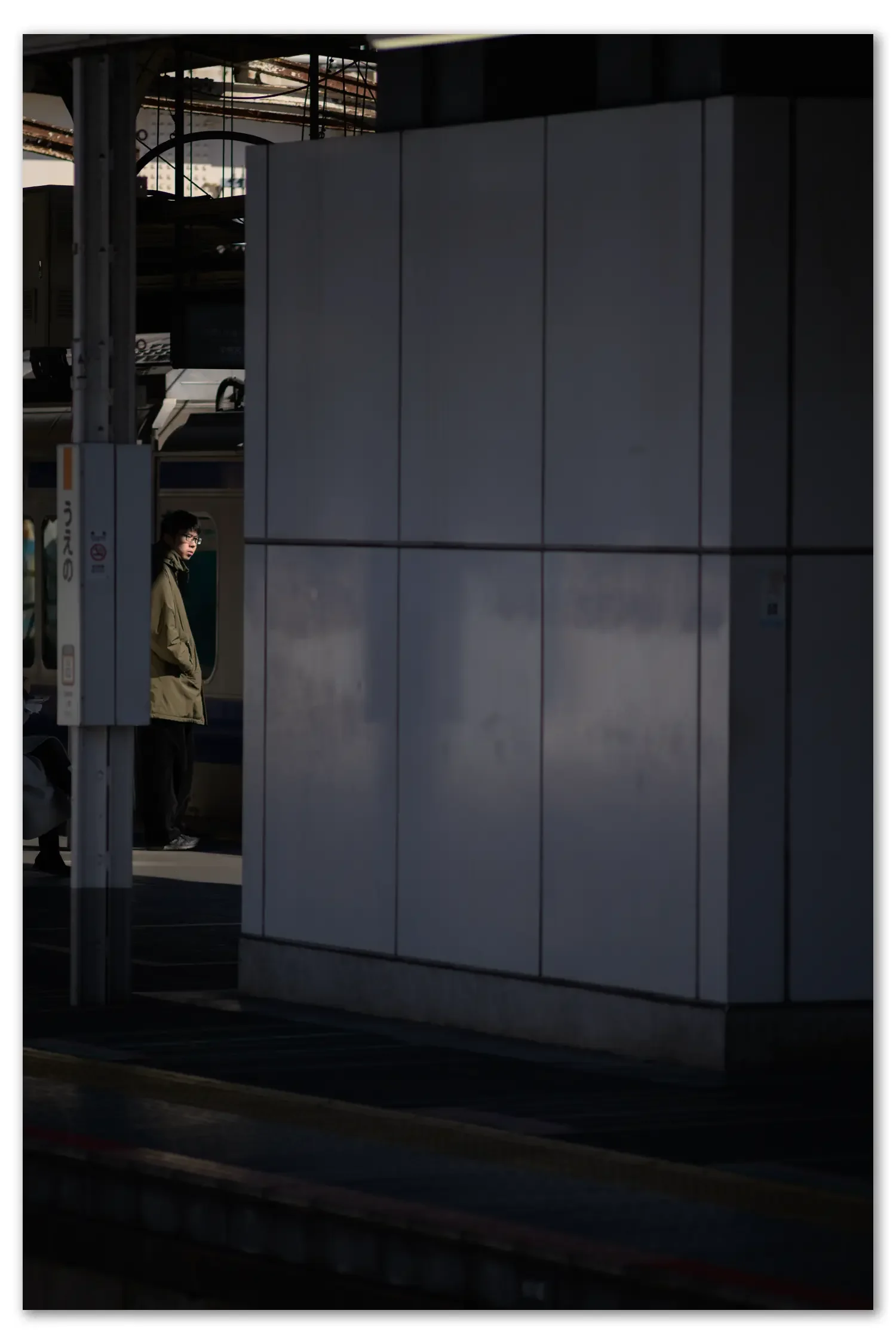
Long Focal Length Vintage Lens Conclusion
The truth is that Tokyo lends itself to longer focal lengths as the city sprawls upwards, not outward. There are often long, straight alleyways that seem to go forever. The compression works so well in these situations. Images from the market and nightlife areas, which are full of neon, power lines, and people, can be oversaturated and visually noisy. Using a longer lens, such as the 135mm or, on occasion, the 200mm, allows me to select only the layers I want to include in my image.
The roll-off, colour, and smooth rendition are what I am after when using a vintage lens. I hope to soon round out my collection to include more wide-angle glass, and with any luck, one or two classic lenses from the past. Doing it right will take a little time, but I have a few lenses scratched off my list of vintage gear.
Nikkor 200mm f/4 (AI or AI-S)
Nikkor 300mm f/4.5 ED-IF AI-S
Nikkor 20mm f2.8
Nikkor 24mm f/2.8 AI-S
Nikkor 35mm f/1.4 AI-S also the f/2 version
Nikkor 85mm f/1.4 AI-S
Nikkor 105mm f/2.5
Nikkor 135mm f/3.5 AI
I was in and out of three camera shops in Akihabara today, looking for a wide-angle lens, 20mm or 24mm. I am always searching for the 35mm f2. That is at the top of the list.
As always, I would love to hear your story in the comments below. If you feel so inclined, share a coffee with me. I am a flat white kind of guy. Happy shooting, everyone.
To book a tour, visit my photo workshop/photo tour website, or email directly jeff@tokyoforgeries.com