Exploring Vintage Nikon 135mm Lens in Ueno Market
Vintage Nikkor 135mm Lens
I found a Nikkor-Q Auto 135mm f/3.5 at a used camera shop in Tokyo. Even though it was affordable, its condition is fantastic: no mold or haze, just a tiny dust speck that hasn’t affected any pictures, and the helicoid moves incredibly smoothly. Based on the serial and features, it appears to be from the late 1960s.
Nikon produced the Nikkor-Q 135mm from 1959 to 1979. There were three main versions: the original design; the second version—like my lens—with six aperture blades, reduced from the original; and a third version that introduced lens coatings. Throughout its run, this lens was a staple of the Nikon lineup.
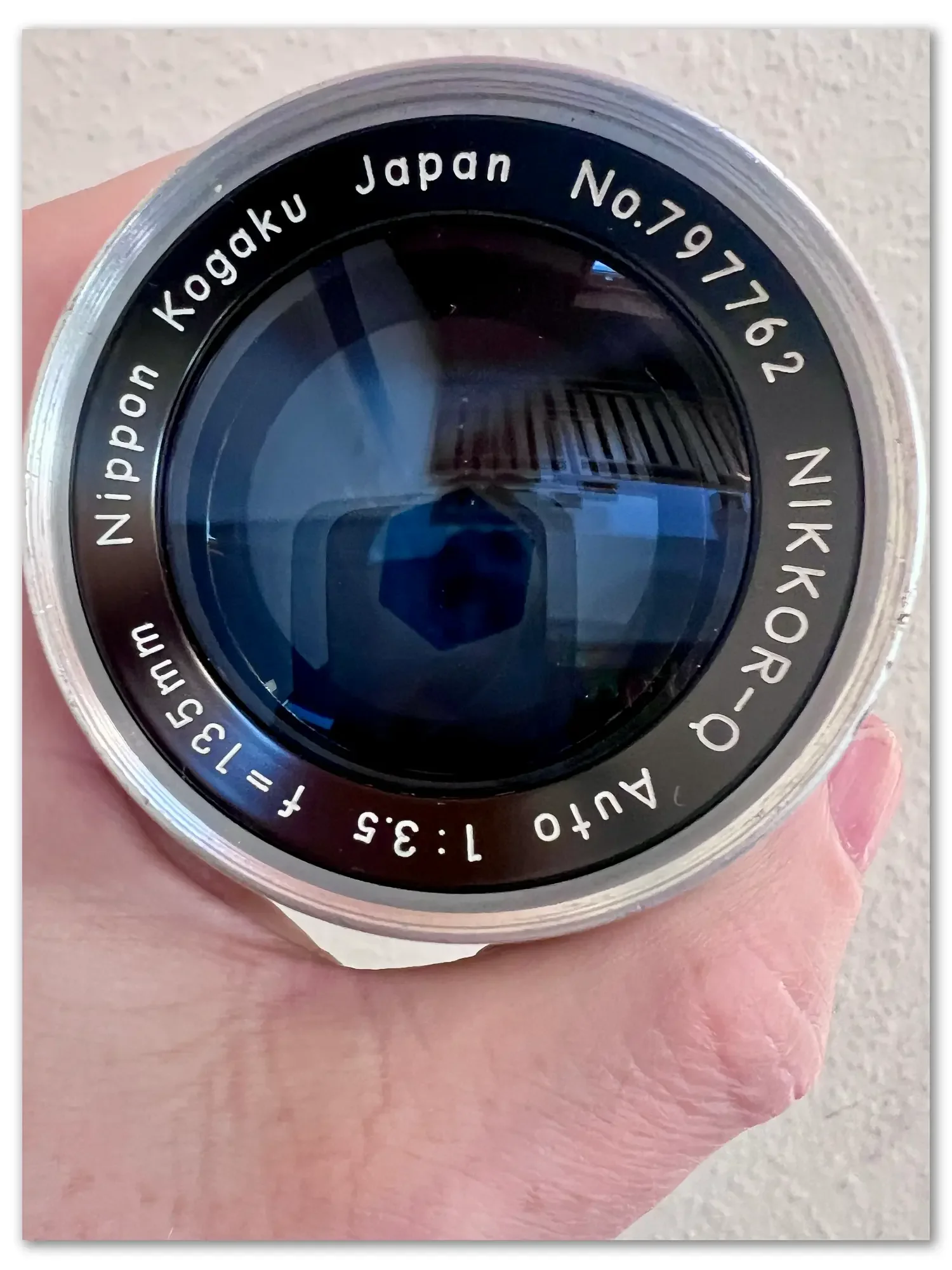
This is such gorgeous vintage lens by Nikon.
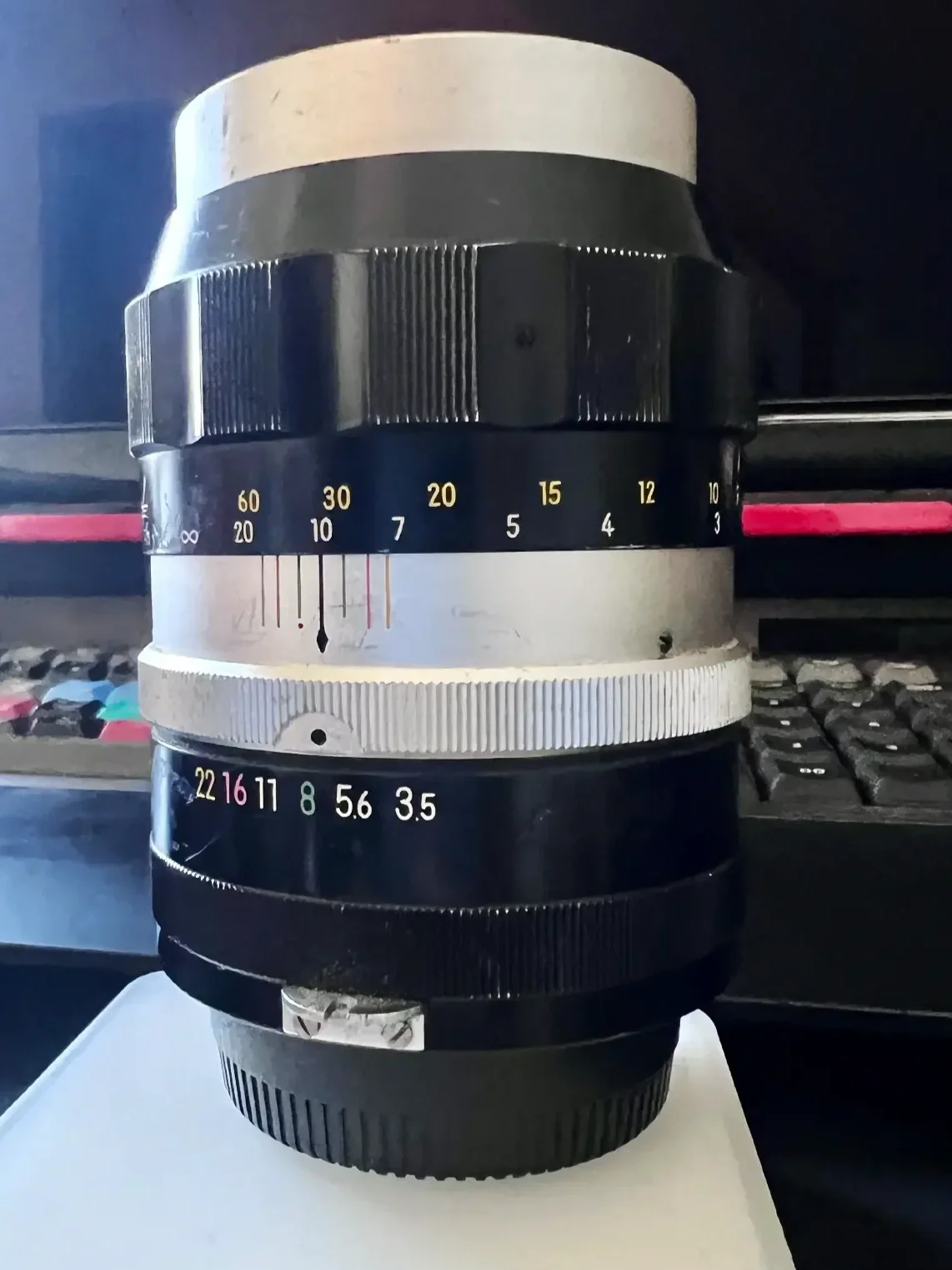
Vintage Nikkor 135mm Q f3.5 lens
A Vintage Lens in Ueno Market
The market is a busy place and requires a keen eye and quick reflexes to capture a great shot. Consider that this lens is 135 mm; you can see how difficult it is to work with. That is exactly why I chose this lens. The challenge of working with it and learning how to extract every bit of goodness I can from this remarkable piece of glass and metal is what street photography is all about. Growth.
The market itself is a labyrinth of roads, alleys and underpasses, all lined with vendors selling everything from fish to sneakers. The flow of traffic is constant, peaking at shoulder-to-shoulder capacity. The lens is slow and requires a bright sunny day to be effective, and the focus throw is a long 190 degrees. All reasons to avoid the vintage glass in favour of an autofocus f 1.2 monster.
Why choose the more difficult lens?
The look from the vintage lens in Tokyo is striking. Sharp in all the right places, rolling off into an otherworldly goodness in all the other places. Shot wide open or stopped down matters little, as the lens itself is one big sweet spot. I have experienced this phenomenon with other vintage lenses. From exotic to simple, this math works out the same; lens makers had it all figured out in the 60s and 70s.
Pairing this look with the grit, grime, and history of Ueno is a sound choice. The images are ready-made in-camera and require minimal editing to reach their full potential. I love that it captures a moment as I see and feel it, without the need to digitally coax an image out. It sounds as if I am shooting film. It feels very much like those days of shooting rolls and rolls of different stock. Knowing this film roll had that image and this other one had that moment.
Ueno Market 135mm Vintage Lens Gallery
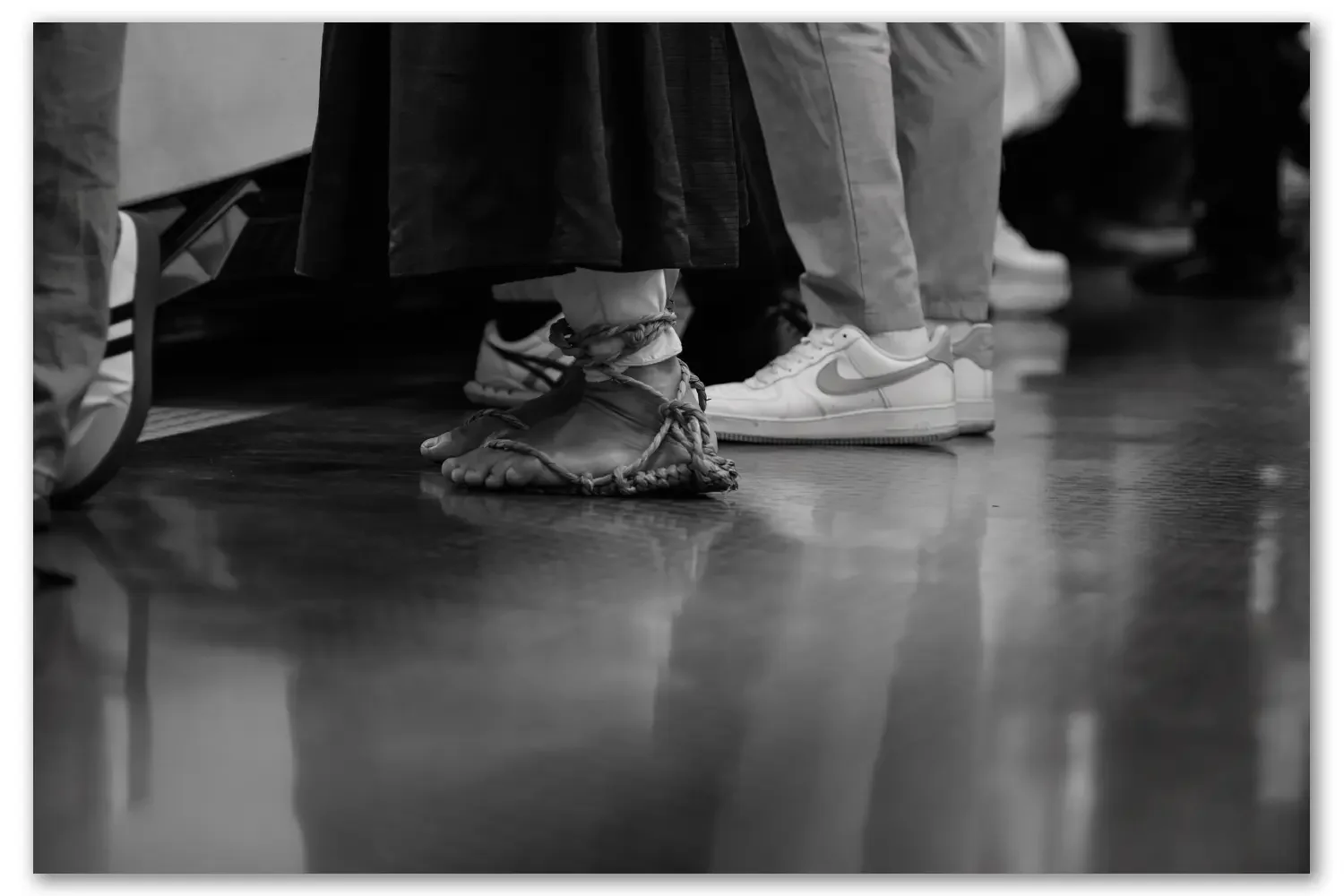
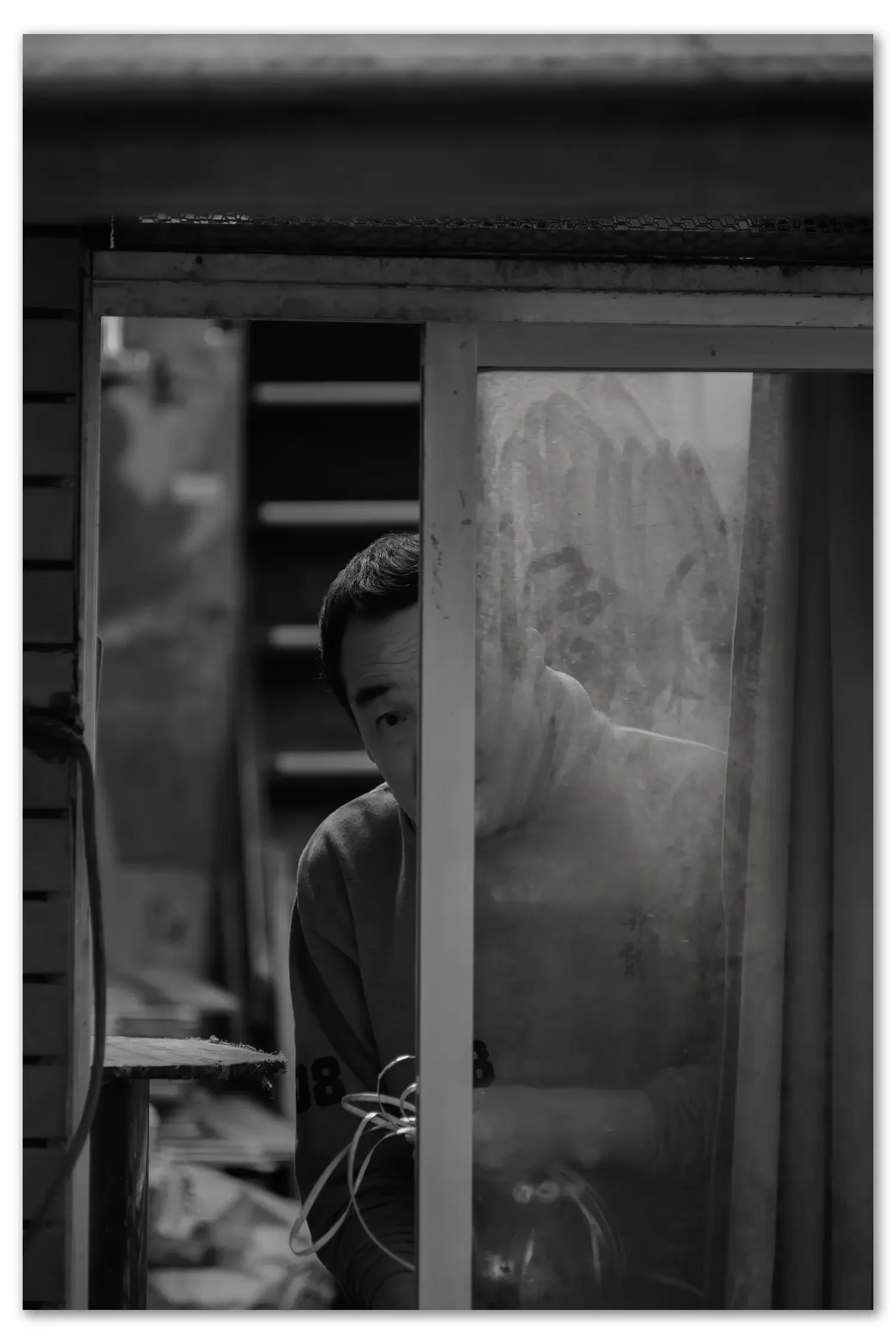
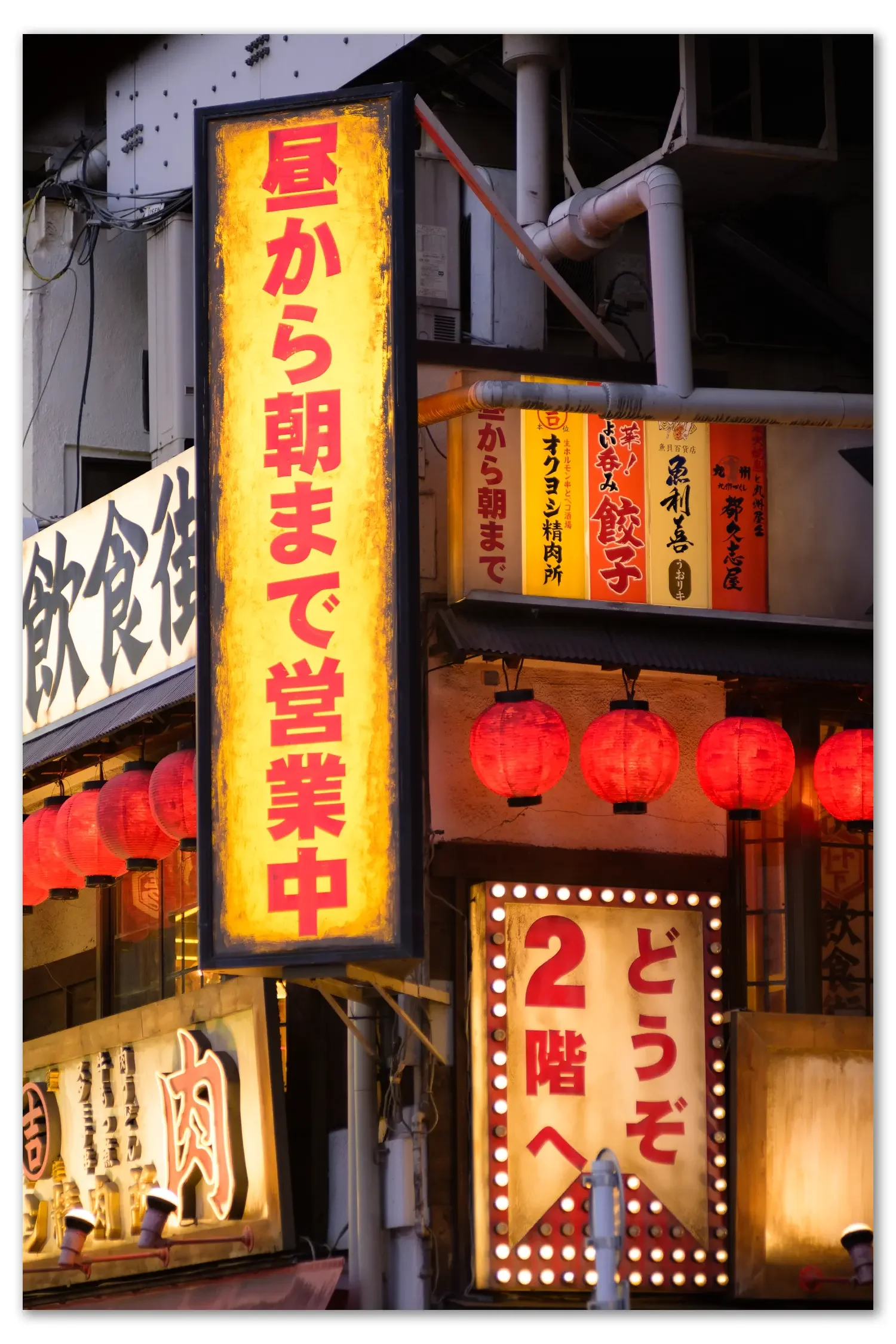
Do not simply take my word for it. Spend some time in the gallery below and see for yourself. What kind of qualities can you see? How do the colours hold up? Is it sharp enough for you? Keep in mind that this lens has only four elements and weighs 400 grams. It fits in the palm of my hand, which is a good indicator of whether it will fit in my pockets. Let me know what you think in the comment section below.