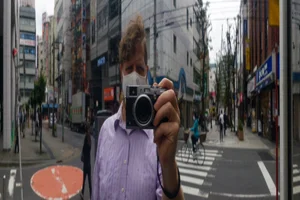
Capturing the Essence of Asakusa with a Vintage 135mm Lens
What is Asakusa, and why is it great for street photography?
The Soul of Old Tokyo
Asakusa is the beating heart of Tokyo’s shitamachi (low city), a district where the echoes of the Edo period still reverberate through the modern concrete. Centred around the iconic Senso-ji, Tokyo’s oldest temple, the area serves as a spiritual and cultural anchor for a city that often feels like it is living in the year 3000. It is a place where the air smells of burning incense and freshly grilled senbei, offering a grounded, historical perspective that contrasts sharply with the neon-drenched skyscrapers of Shinjuku or Shibuya.
For street photographers, Asakusa is a masterclass in visual storytelling through juxtaposition. It is one of the few places in the world where you can frame a 7th-century Buddhist gate, complete with a massive red paper lantern, against the hyper-modern silhouette of the Tokyo Skytree. This clash of eras provides a ready-made narrative of a nation balancing its sacred traditions with its technological ambitions, giving every shot a sense of depth and "temporal friction" that is hard to find elsewhere.
The human element in Asakusa is unmatched, particularly along the bustling Nakamise-dori. This long approach to the temple is a chaotic, vibrant stage where locals in traditional kimonos mix with bewildered tourists and weathered shopkeepers who have occupied the same stalls for generations. Whether you are hunting for candid portraits of pilgrims or the rhythmic motion of a craftsman folding ningyo-yaki cakes, the sheer density of life ensures that there is never a dull moment for a quick shutter finger.
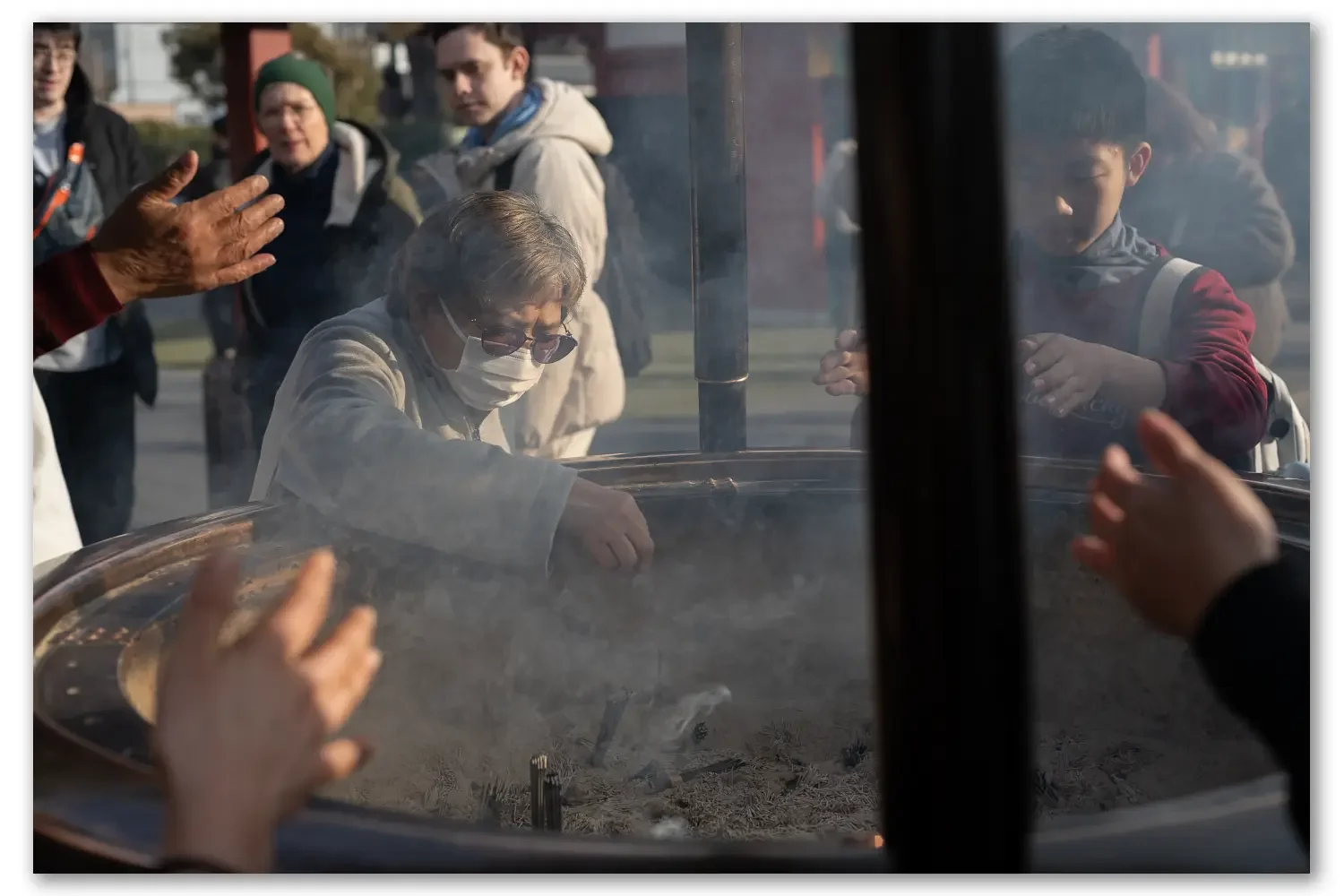
Beyond the main tourist thoroughfares, the lighting and texture of Asakusa’s back alleys offer a moodier, more cinematic aesthetic. As the sun dips, the glowing red lanterns of "Hoppy Street" cast long, dramatic shadows over outdoor izakayas and retro signage. The interplay of thick, swirling incense smoke in the temple’s jokoro provides a natural diffusion filter, creating ethereal, atmospheric shots that feel more like film stills than standard digital photographs.
Ultimately, Asakusa is great for street photography because it requires you to look more closely at the layers of Japanese identity. It isn’t just a tourist destination; it is a living museum where the grit of the old world meets the polish of the new. For a blog like Tokyo Forgeries, it is the perfect playground to capture what is "real" in a city that is constantly reinventing itself, proving that the most authentic shots often come from where the past refuses to be forgotten.
Why Shoot a Vintage Lens in Asakusa?
Using a vintage lens like the Nikkor 135mm Q f/3.5 in Asakusa isn't just a stylistic choice; it’s a tactical one that leans into the district’s unique visual DNA.
Here is why that specific glass is a perfect match for the "Old Tokyo" vibe:
The "Non-Digital" Render
Modern lenses are often "too perfect"—they are surgically sharp and high-contrast, which can make historical sites look like clinical theme parks. The Nikkor-Q (the 'Q' standing for Quatour, or four elements) has a simpler optical design. It offers a gentler roll-off between light and shadow and a lower natural contrast. This "vintage glow" perfectly complements the weathered wood of the temples and the grit of the back alleys, giving your digital files a filmic, archival quality that feels "earned" rather than added in post-production
Incense and Optical "Flaws"
Vintage Nikkors are famous for how they handle light. When shooting toward the sun or the heavy incense smoke of the jokoro, the older coatings on the 135mm Q will likely produce organic flaring and veiling glare. Instead of being a "mistake," this flare adds a dreamlike, ethereal layer to the shots, making the incense smoke look thick and tactile, almost like a painting.
Bokeh and Separation
At f/3.5, the 135mm provides beautiful subject separation. While not "ultra-fast," the telephoto physics ensure your subject pops against a creamy, blurred background. This is essential for isolating a single red lantern or a unique architectural detail from the distracting "visual noise" of the thousands of tourists swarming the area.
Architectural Time-Collapsing
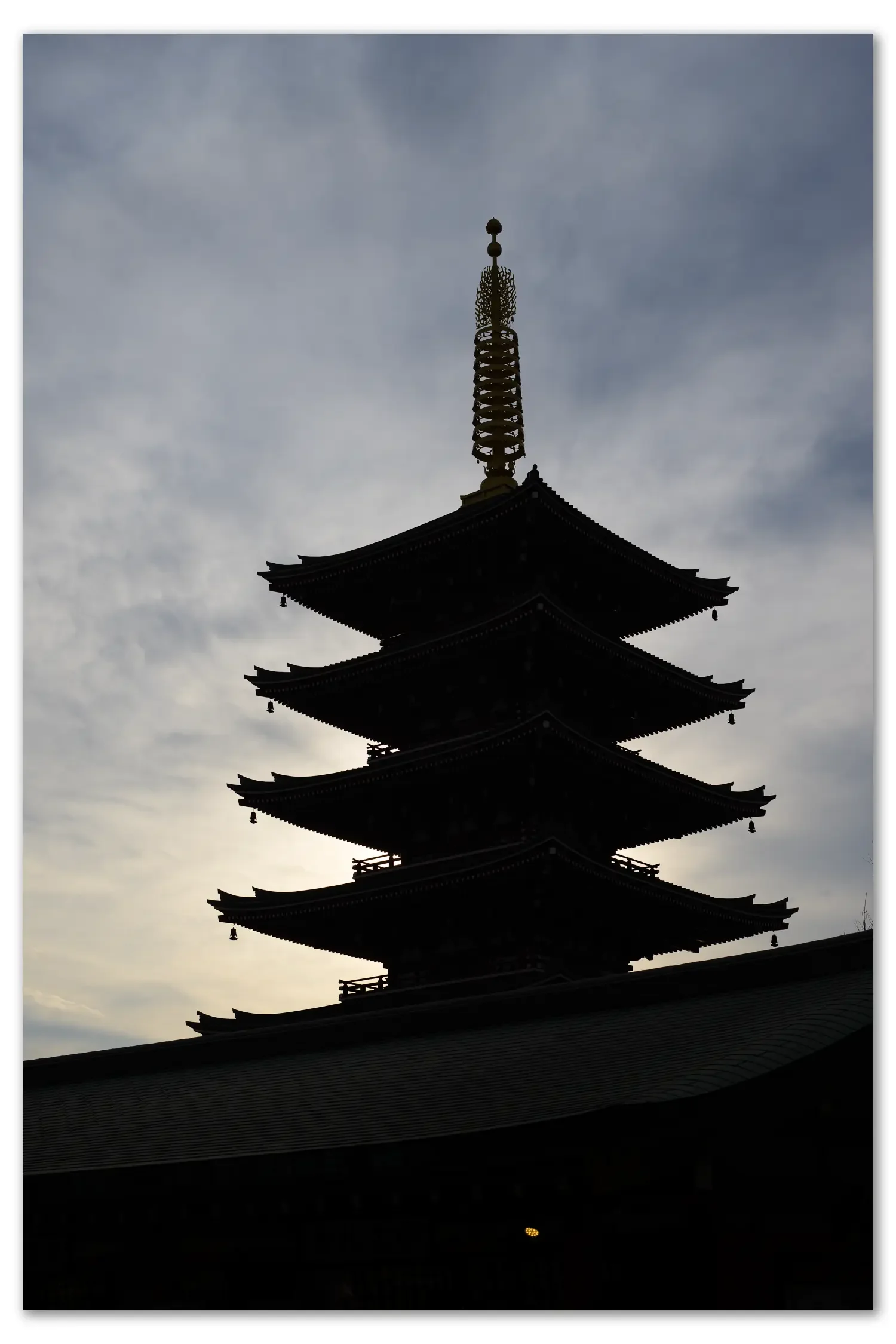
The 135mm focal length serves as a "telephoto storyteller," excelling at flattening the physical space between Tokyo’s disparate timelines. In Asakusa, this lens allows you to stack the ornate, weathered eaves of a centuries-old shrine directly against the cold, geometric glass of the rising city skyline. By compressing the background, the Nikkor 135mm "squashes" these layers of history into a single, dense frame. This emphasizes a sense of "temporal friction" and visual density that a wider lens—which would highlight the vast distance between the old and the new—simply cannot capture.


As always, I would love to hear your story in the comments below. If you feel so inclined, share a coffee with me. I am a flat white kind of guy. Happy shooting, everyone.
To book a tour, visit my photo workshop/photo tour website, or email directly jeff@tokyoforgeries.com