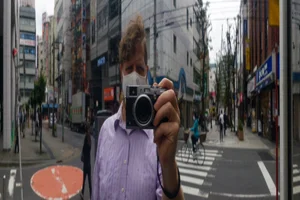
The Night Shibuya Won
The Blocks
One of my personal difficulties in life is a hyperactive internal dialogue. It is nearly impossible to pacify. Street photography is one way I can focus in a manner that quiets the mind. On a good day, it feels transcendental.
There are a lot of good days, more than the bad ones, but the most frequent days are average. Not meaning that the images created on these days are only average, and bad days only see bad photos taken. Each day has a little of all three. What I am speaking about is the thoughts we carry around that impede our creativity. The human mind is hardwired to resist street photography; conflict avoidance is what kept our ancestors from being eaten.
Last night was a bad day.
I had just learned that one of my articles will be published by a major photography blog. The news arrived in the afternoon — something earned, something real. I was happy. Excited. Proud in a way that doesn't arrive often. I reached Shibuya Station carrying all of it.
I had made a decision: I am going to master the Nikkor-H Auto 85mm f/1.8. Shibuya at night felt like the right arena — the compression of the crowd, the available light, the rhythm of people moving through one of the most photographed intersections on earth. I made a quick stop at a gallery show on behalf of an American client who couldn't attend. I looked at the work. I thought about my own. Then I went outside and began to shoot.
Somewhere between the gallery door and the first frame, a switch flipped in the recesses of my mind.
Fear is not always dramatic. It does not announce itself. It simply arrives and takes the controls, leaving you aware but without authority over your own actions. That is what happened. I was present enough to watch myself cycle through every psychological block in the archive, one after another, as the night progressed.
The Invisible Spotlight Effect first — the irrational certainty that every person in that crowd had turned their attention to me and my camera. Shibuya at rush hour contains thousands of people moving in every direction at once, none of them thinking about me. The mind does not care about evidence.
Then Confrontation Anxiety. The particular dread of raising the lens toward a stranger and the story the mind immediately constructs about what happens next. A scene. An objection. Something that doesn't happen in practice and never stops threatening in theory.
Then the Imposter Syndrome of Legacy. The weight of every photographer who has stood in this city and made something permanent. Daido, Arbus, Winogrand — not their names exactly, but their presence. The feeling that the history of the form is watching and finding you insufficient.
Then the Weight of Rejection — not from strangers on the street, but from the work itself. The fear that what you take home will confirm what the worst part of your mind already suspects.
Finally, Overthinking and Hesitation. The frame assembles. The light is right. The figure is moving into position. And the internal committee convenes to debate the merits, and by the time it reaches consensus, the moment is already in the past.
What I did was suffer.
Each shutter click was agonizing. Not metaphorically — there was a physical weight to it, a compression in the chest that should have been excitement and wasn't. I kept clicking anyway. That is the only thing I know how to do. It didn't make me feel any better. If anything, it made the discomfort more acute, more conscious, more impossible to distance myself from.
The train ride home was long. I was on another planet — present in body, elsewhere in mind, carrying the specific exhaustion that comes not from effort but from resistance. The gap between what the evening should have been and what it was.
I looked at the images this morning.
The shots I had taken were not on another planet. They now have existence beyond their brief reality — a frame held, a moment compressed into silver and light, indifferent to the suffering that produced them. The lens rendered what it renders: warm, graceful, honest. The blocks that felt like walls were apparently permeable.
This is what I have come to understand about the psychology of street photography: the blocks do not disqualify the work. They are uncomfortable companions, not gatekeepers. The mind constructs the spotlight, the confrontation, the rejection — and the shutter fires anyway, and the image exists, and the mind was wrong about all of it.
The good days feel like freedom. The bad days feel like chains. But the photographs don't know the difference.
Show up. Keep clicking. Let the city outlast the noise in your head.
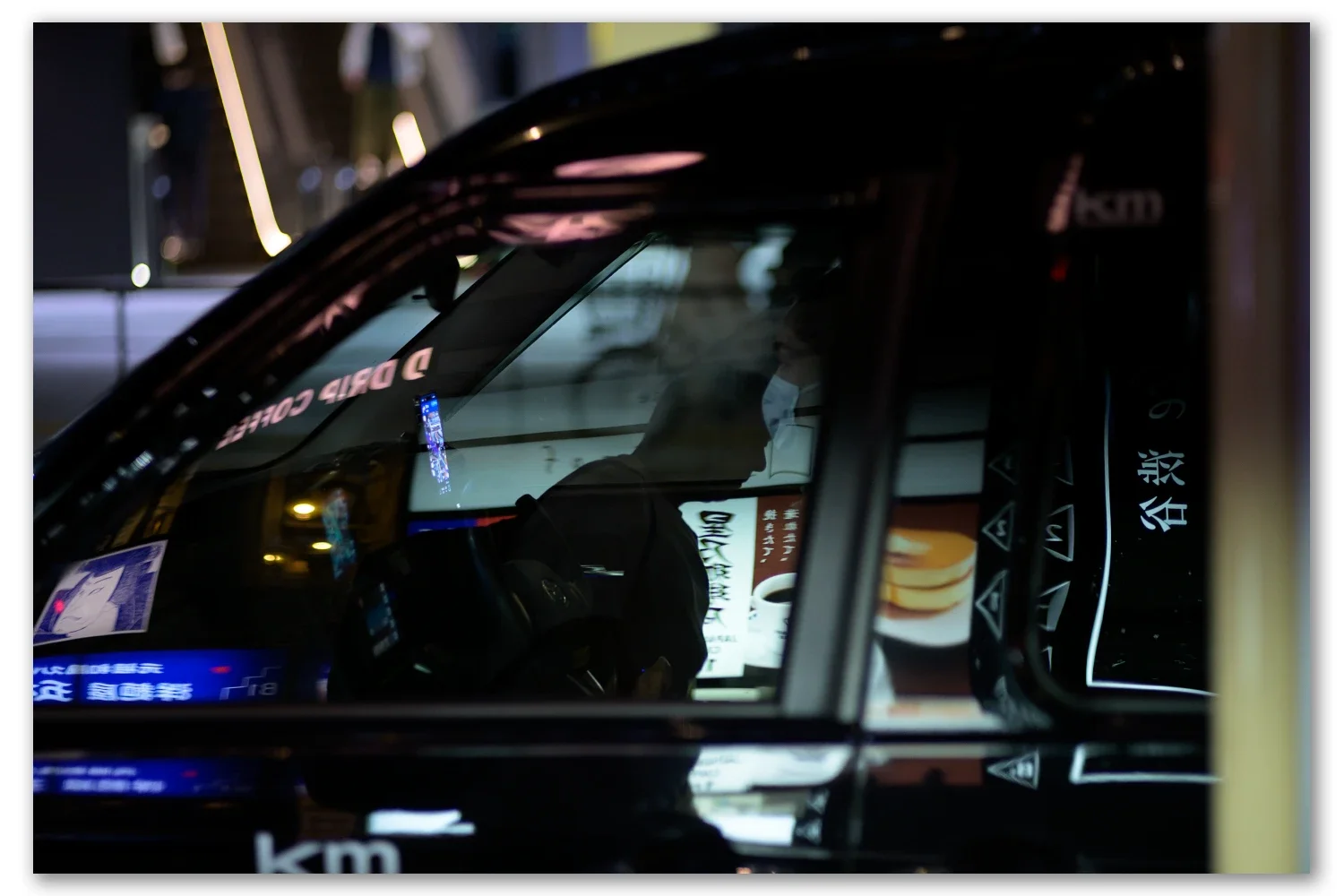
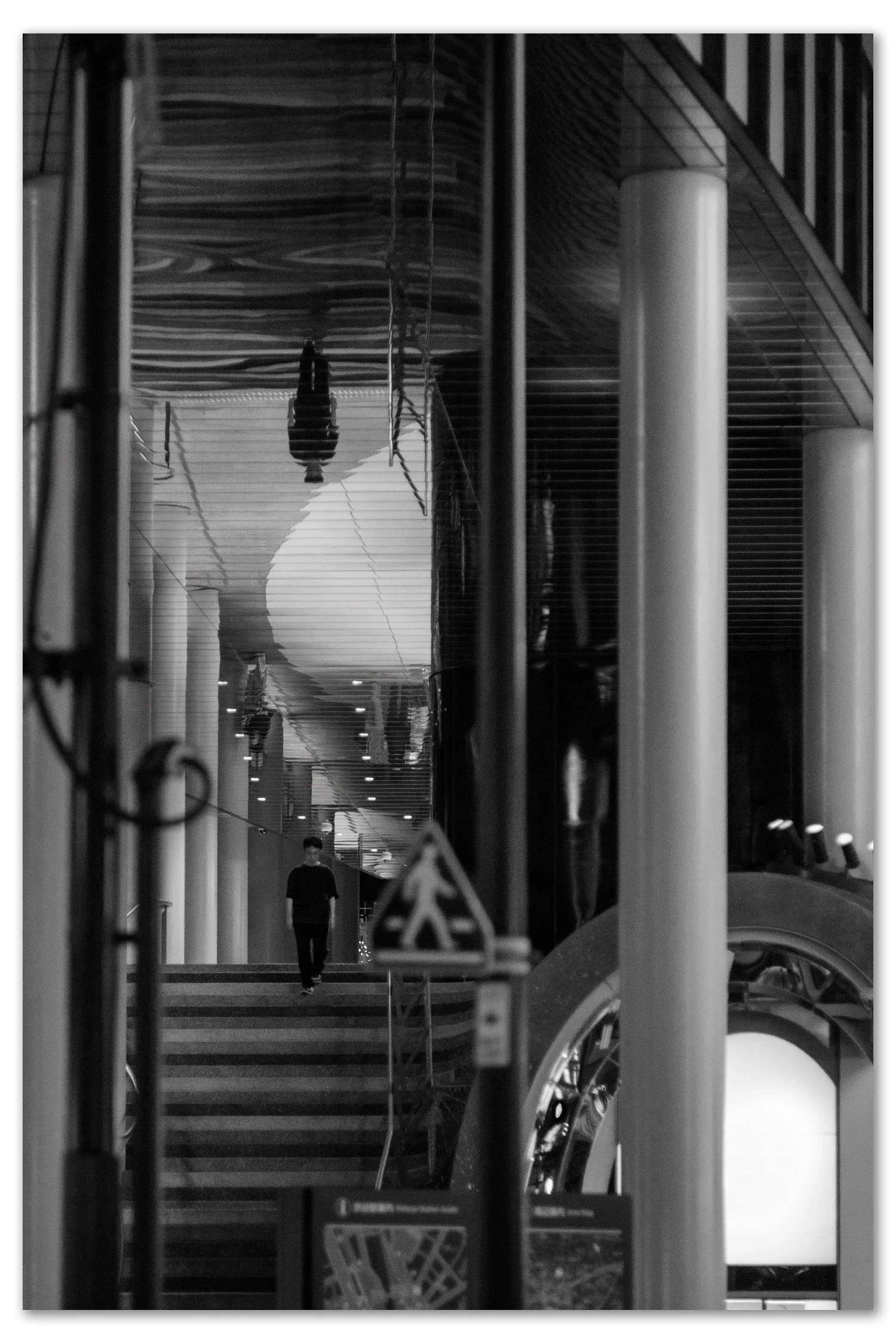
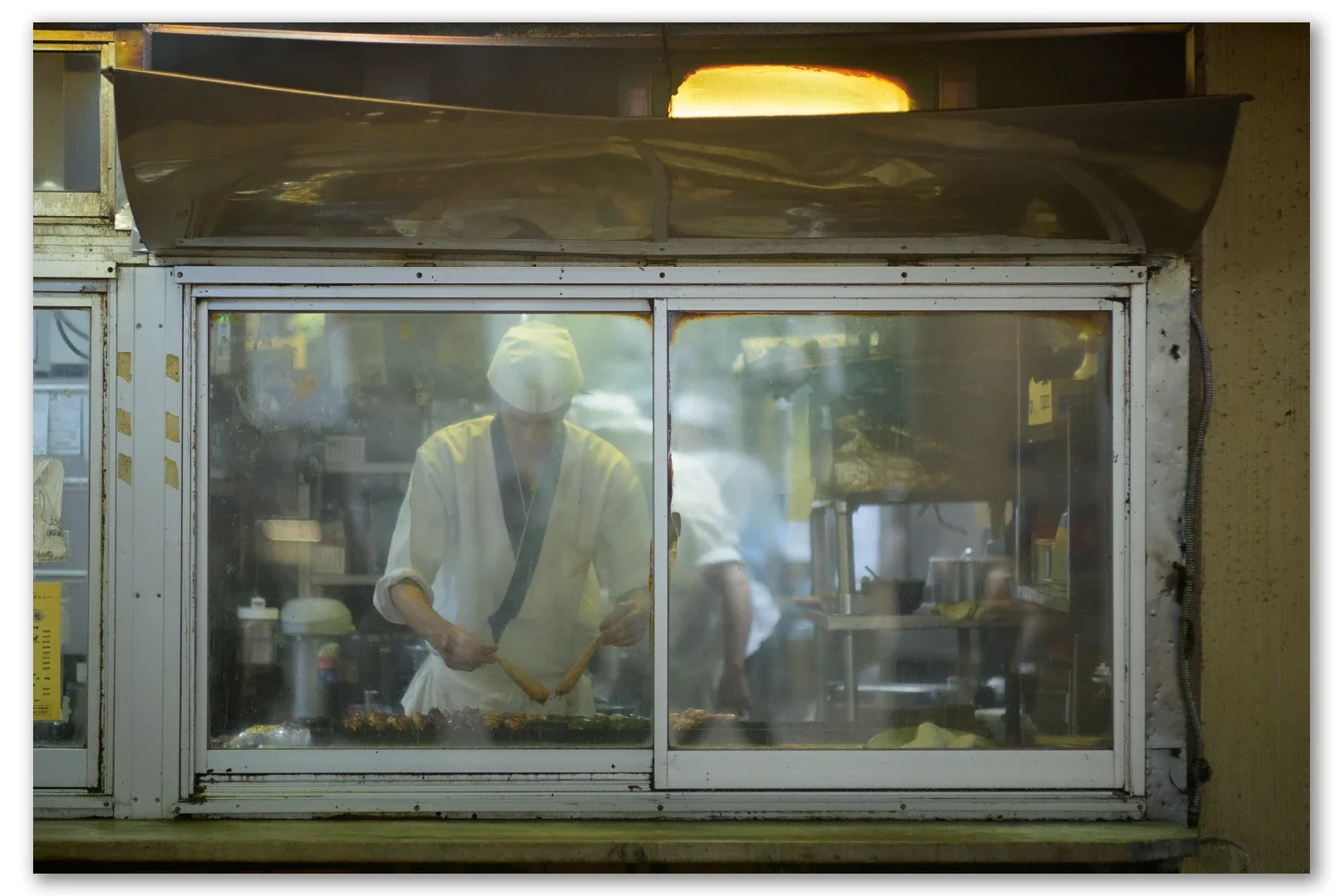
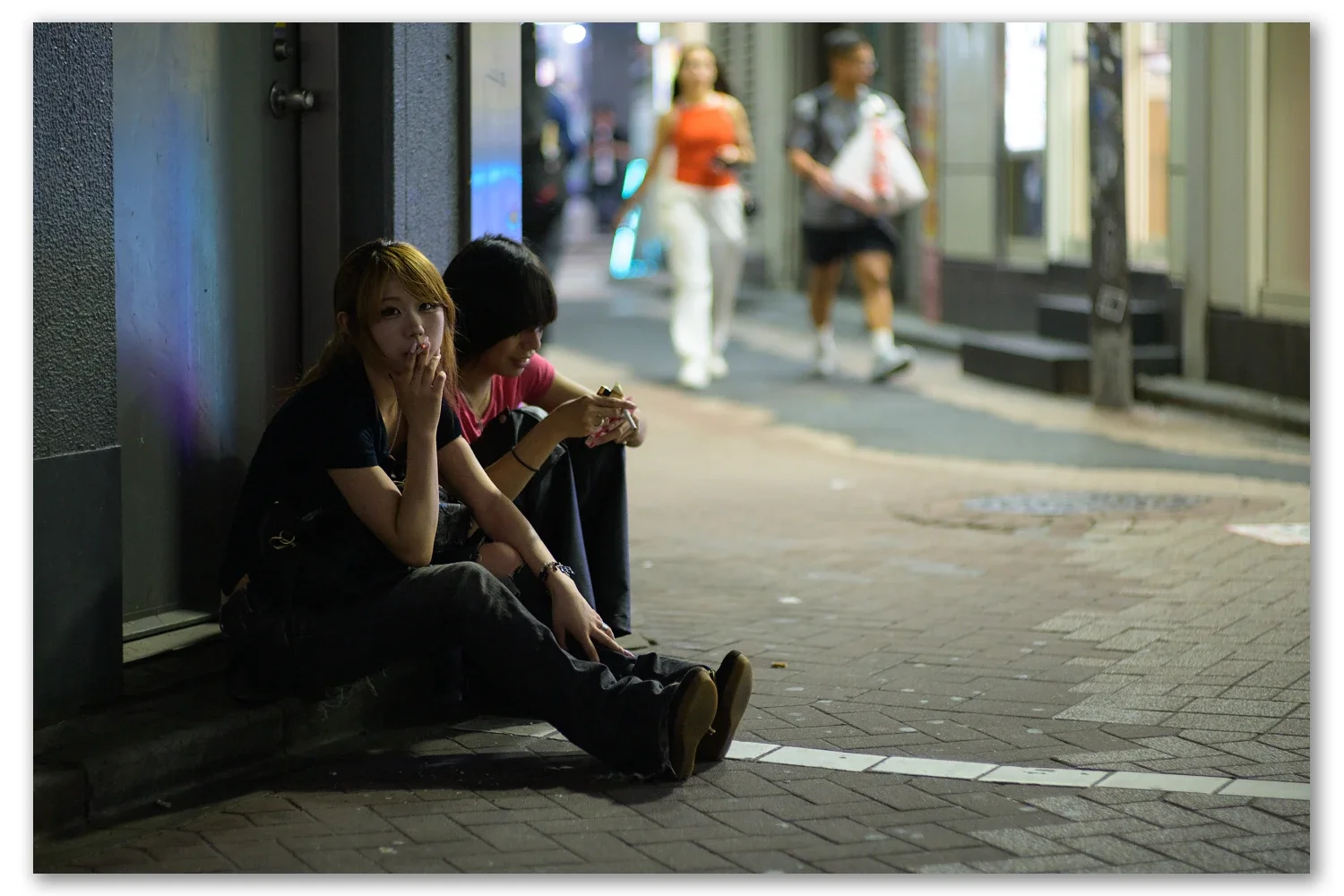
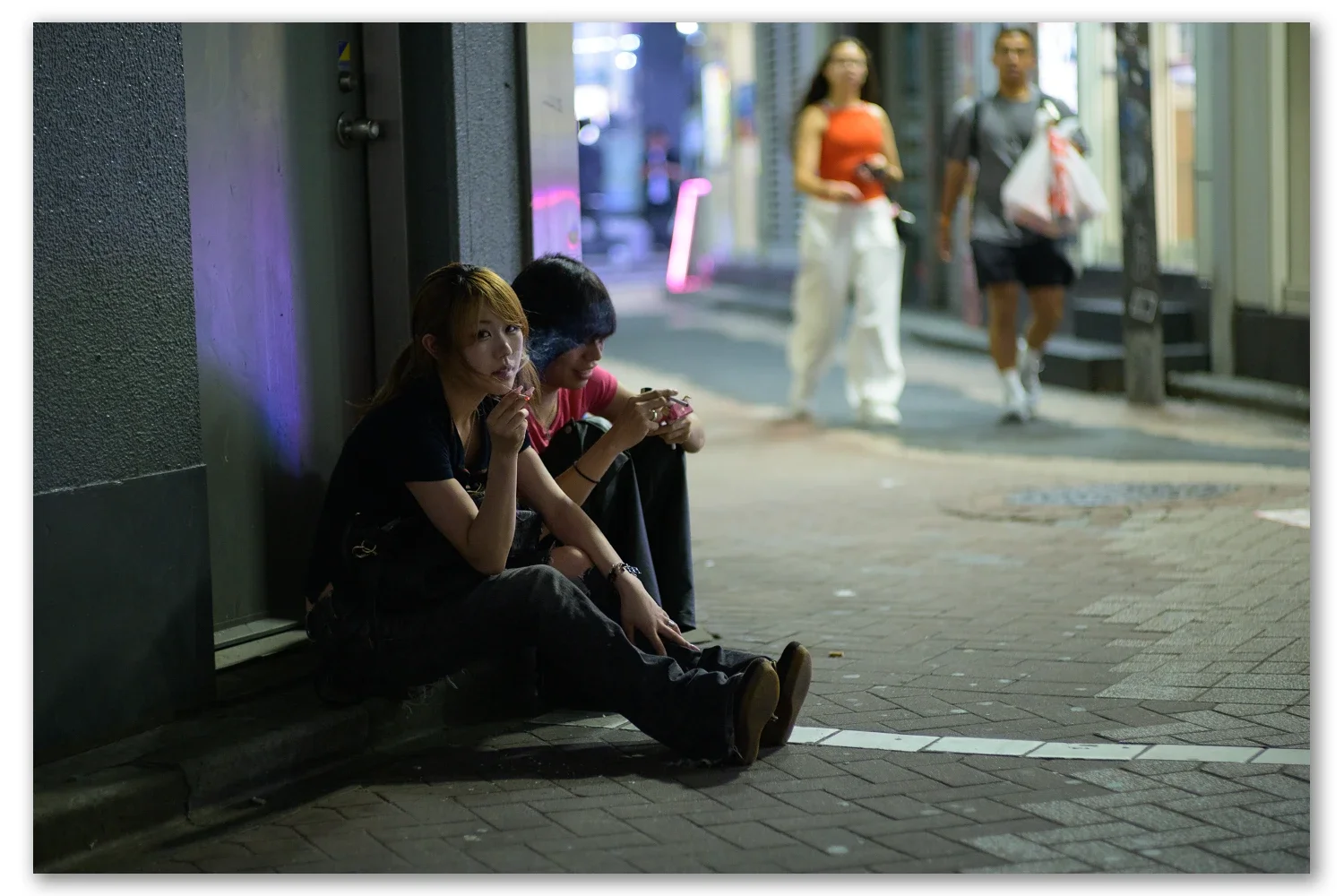
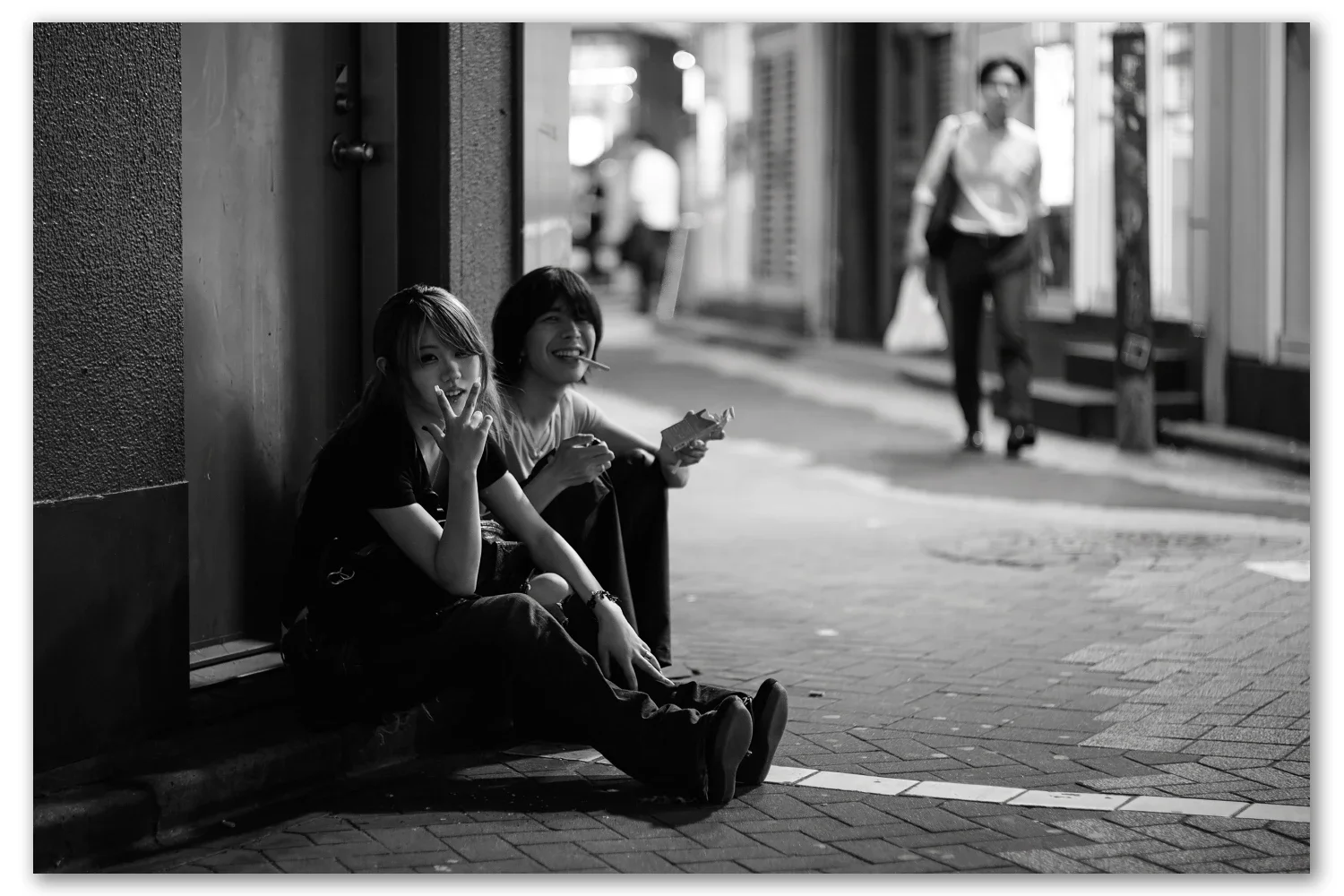
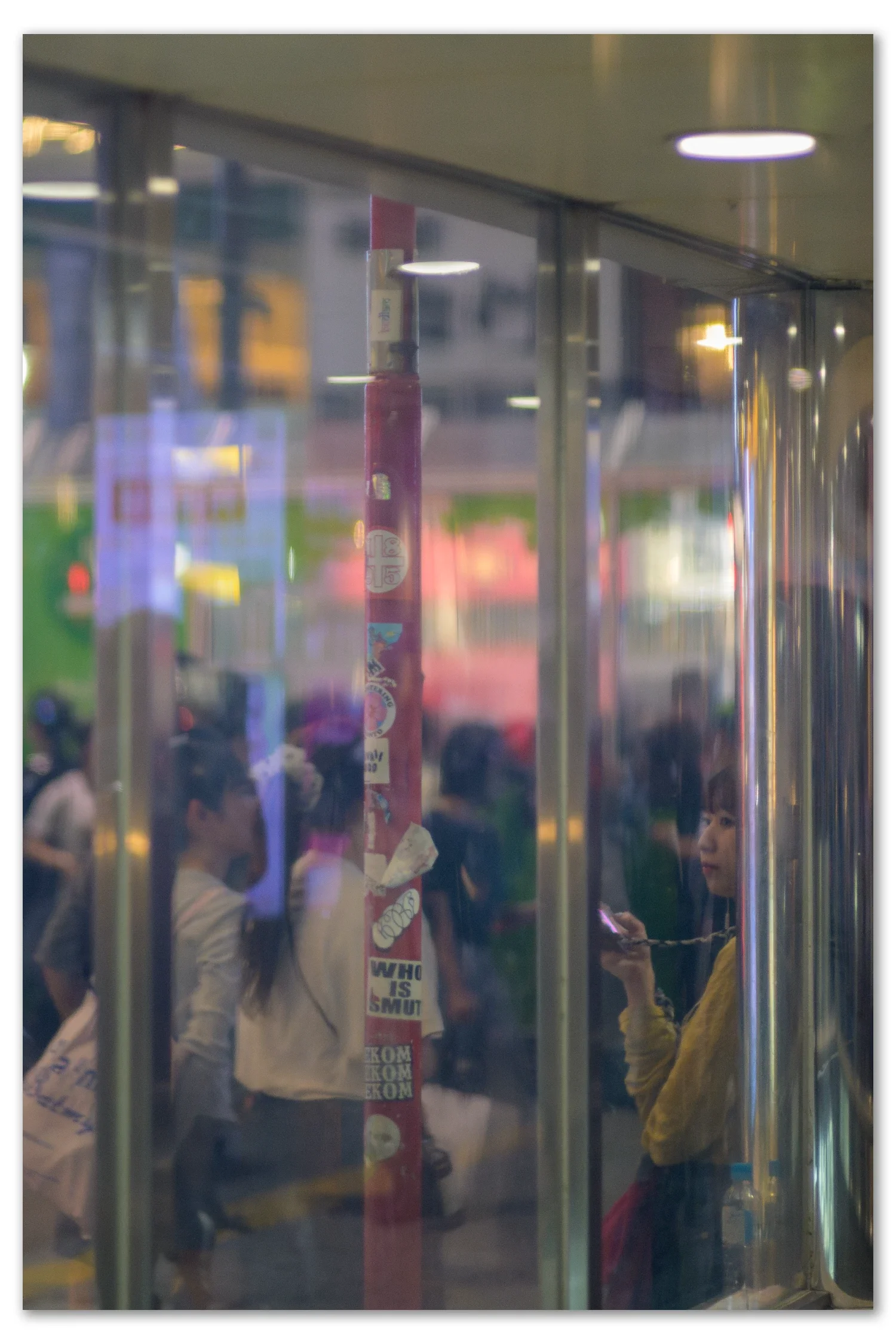
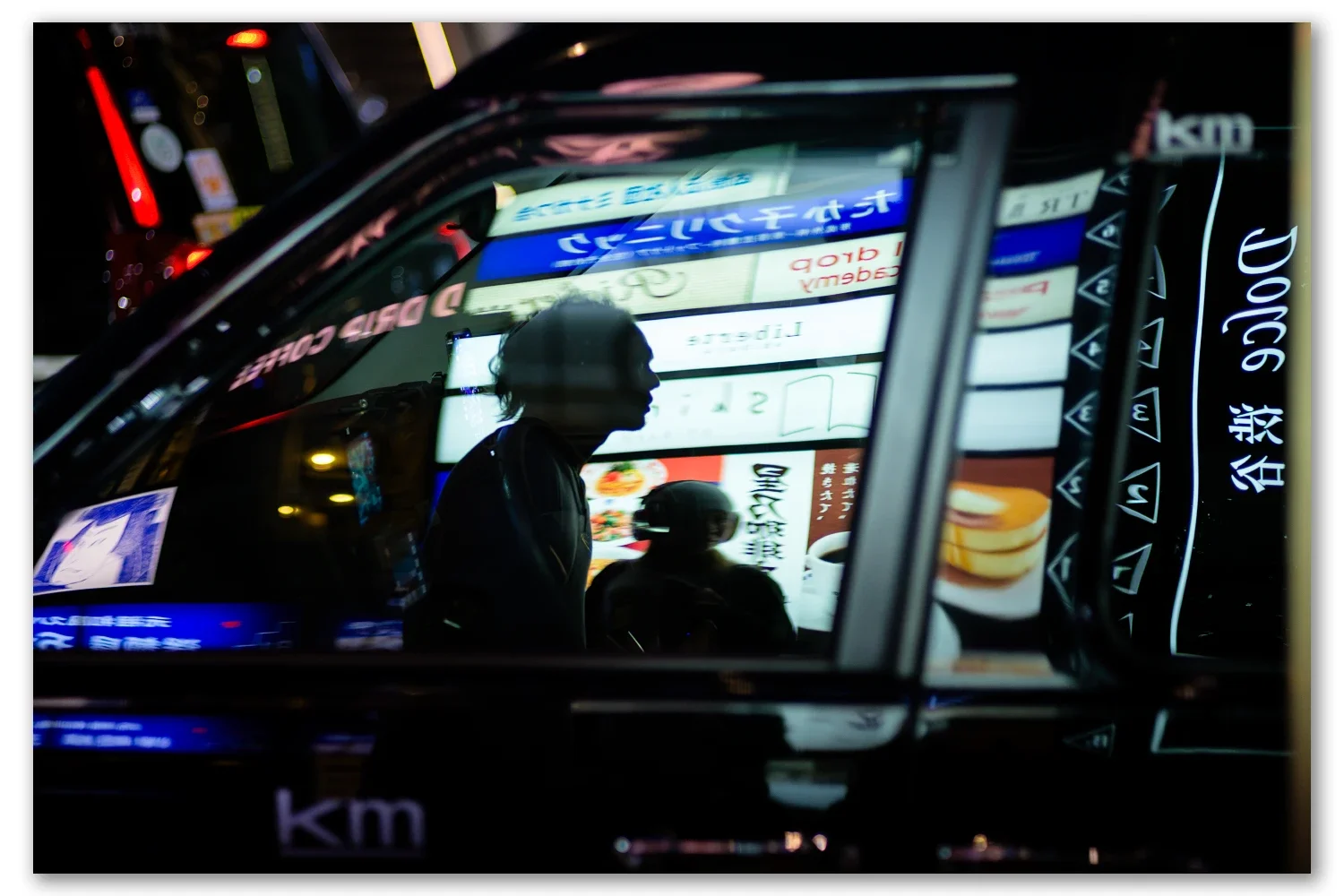
The streets never look the same way twice. I’m curious—how does this side of Tokyo hit you? Drop a comment below.
I live on flat whites and shutter clicks. If you’ve found value in these shots, toss a coffee my way to keep the sensor humming.
For those who want to skip the tourist traps and shoot the real Tokyo, my calendar is open for workshops. Explore the Masterclass here or email me at jeff@tokyoforgeries.com.
See you in the shadows."
Tokyo Forgeries is an evolving archive of Tokyo street photography and vintage-lens deep dives. We spend 30 days in every ward, using mid-century brass and glass to capture the city’s soul. This is a roadmap for the active pursuit of craft—documented through the geography of Tokyo and the character of its light.