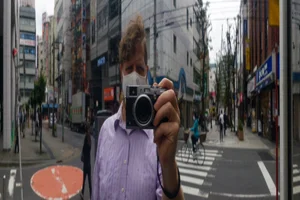
Struggling With Presence in Street Photography
Artistic Paralysis:
It happens to everyone. The inability to create consistently is a very real phenomenon. Commonly referred to as writer's block, this term is often used by artists of any genre to explain their difficulty in creating. As a street photographer, I feel writer's block too. However, it can be challenging to rationalize, since the art is the streets themselves. They don't stop being art; I stop seeing it.
I am out there, walking the miles each day, but sometimes I lose my way. It isn’t due to a lack of effort or direction (maybe too many projects on the go); instead, my mind drifts away, caught up in life’s stress, anxiety, or exhaustion. The images become something written from memorization rather than moments captured that leave their viewer moved. I am there, but I am not fully present.
I did a quick survey of my fellow street photographers on the topic of artistic paralysis and paraphrased their thoughts in the bold and italicized paragraphs below.
Artistic paralysis in street photography is the feeling of being unable to create truly, even when you’re walking around with your camera in hand and doing everything “right.” The city is full of potential images, but your ability to see and respond to them feels numb. Instead of being alert to light, gesture, and coincidence, you drift into a kind of creative fog where scenes pass by without leaving a mark on you. You are physically present in the streets, but not creatively present in the moment.
Often, this paralysis is fueled by overthinking and self-criticism. You might judge every potential frame before you even raise the camera, telling yourself it’s not original enough, not good enough, or not in line with your current project. Photography becomes mechanical: you repeat familiar compositions and safe subjects, producing images that feel memorized rather than discovered. The photos may be technically acceptable, but they lack the emotional charge that comes from genuine engagement with the world in front of you.
Life off the streets also plays a role. Stress, anxiety, exhaustion, or simply having too many projects on your mind can quietly disconnect you from your surroundings. You keep walking, hoping the rhythm of the city will pull you back into the flow, but nothing seems to land. In these moments, artistic paralysis in street photography isn’t about the streets losing their magic—it’s about temporarily losing your ability to see that magic. The challenge isn’t just to push through and keep shooting, but to gently find your way back to presence, curiosity, and the simple act of noticing again.
How I Deal With Struggling With Presence
The simple answer is I keep shooting. I know that what I am taking will not make the cut, but it will put me into the right headspace to create the type of images I know are possible. It becomes a meditation of clicks. One click after another will draw me back into the moment and away from the mind's struggles. The most important thing to do is to keep shooting, allowing the process to unfold naturally without worrying about what images are being taken.
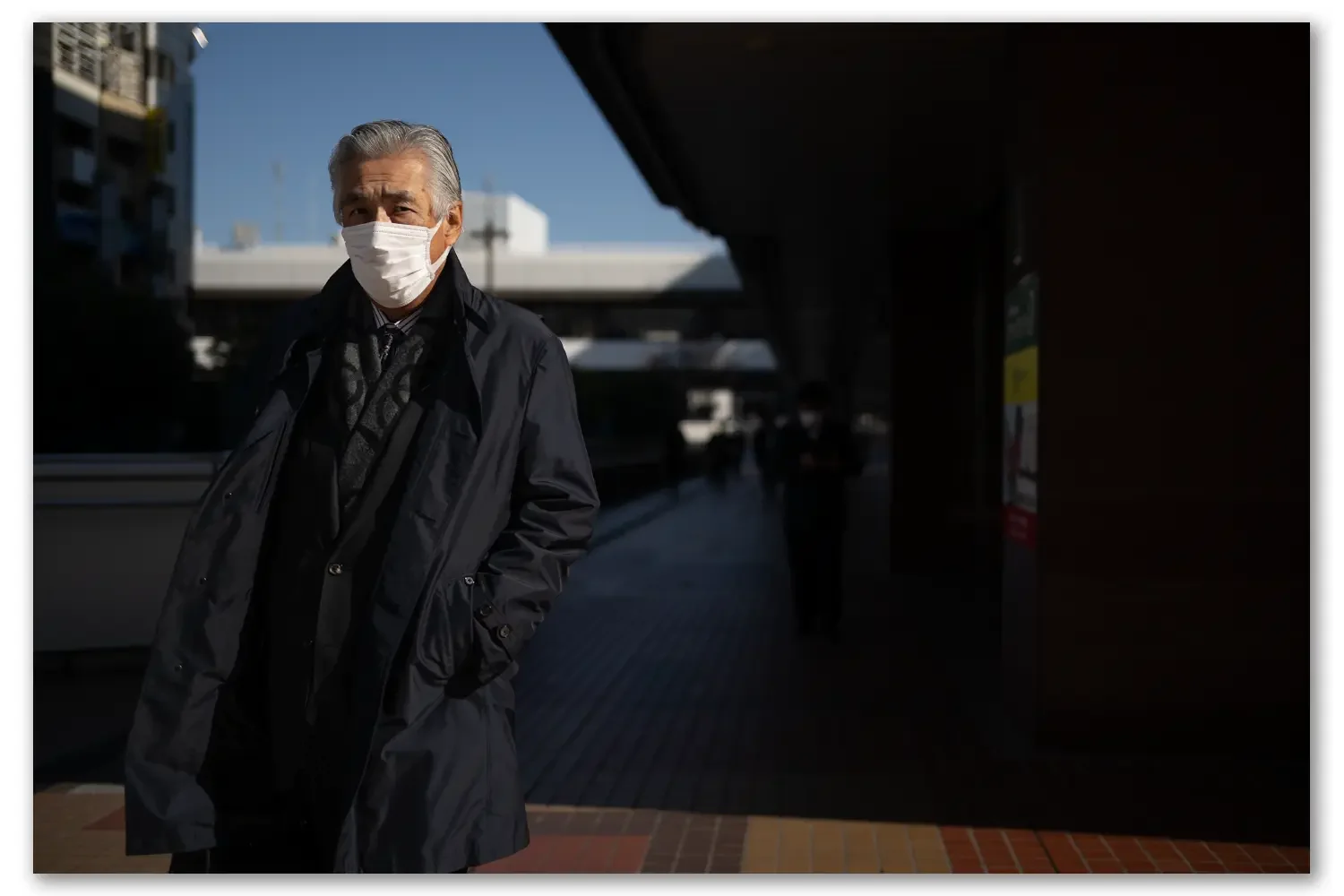
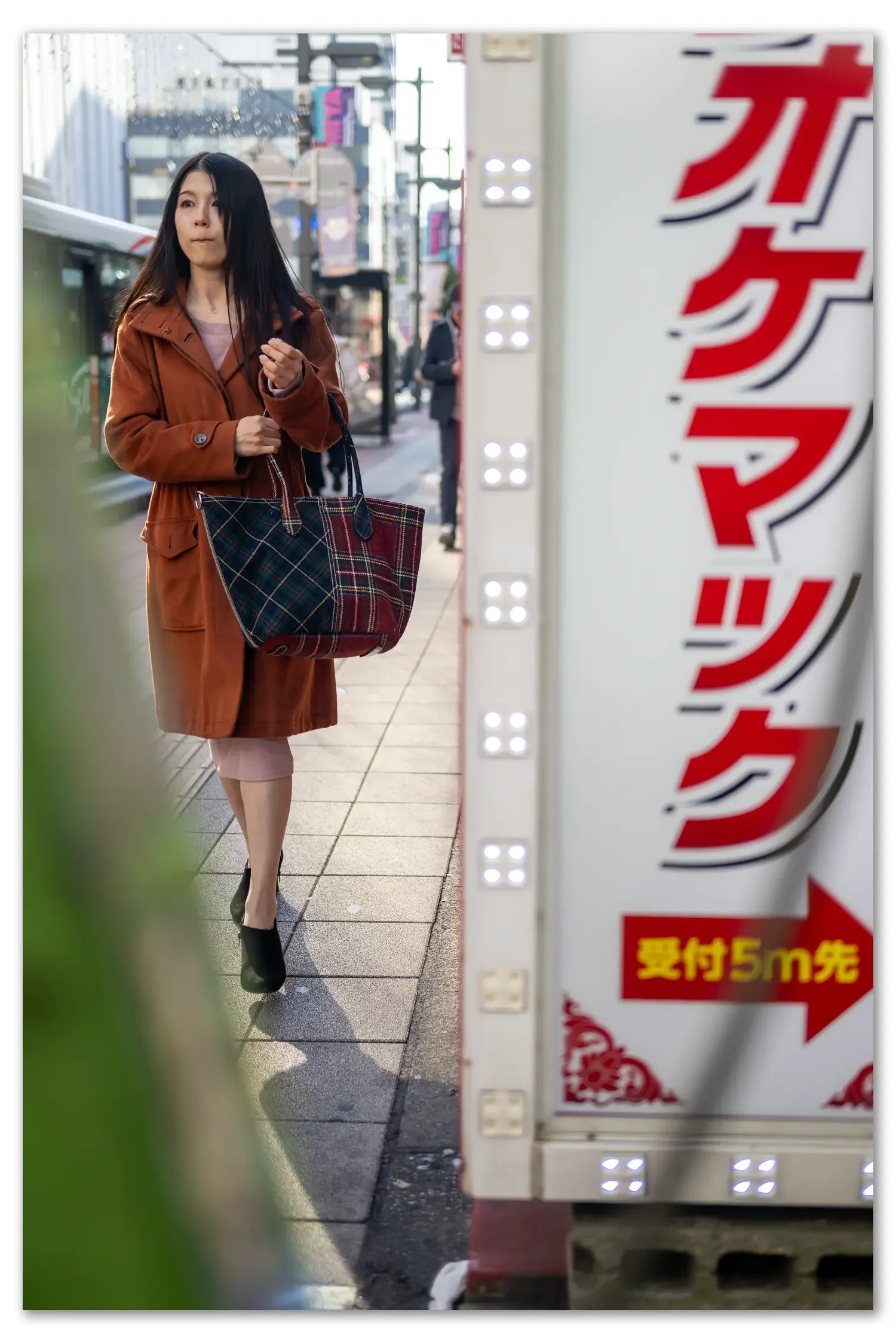
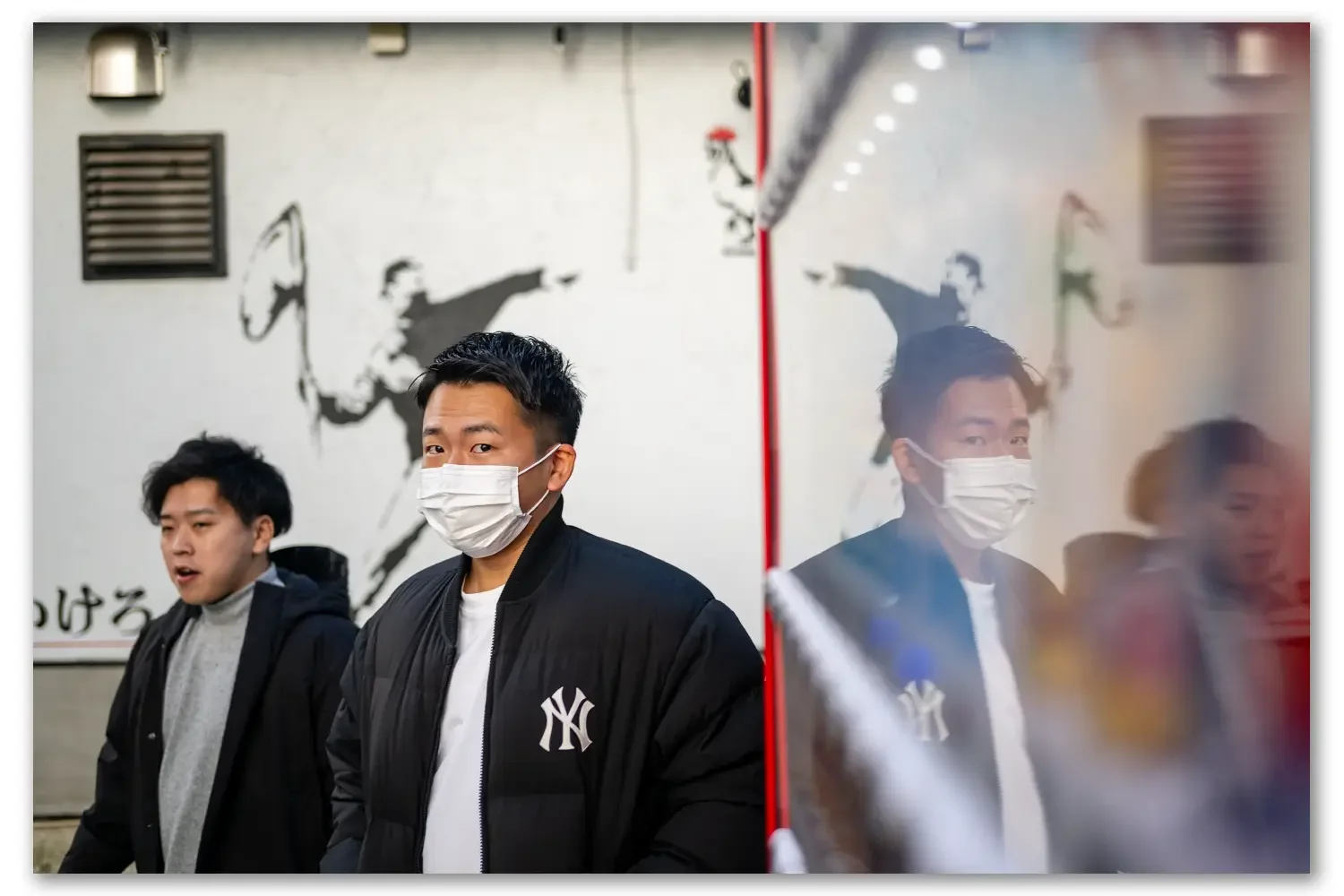
Recently, I found myself in this very situation. I was shooting in an area I know and love, Omiya, just wandering around aimlessly. I was somewhere else entirely, several minutes between pictures, none of which have any value to me or anyone else. Creative muscle memory possibly saved a few shots, but the majority of what was shot, I have no memory of. Good, bad or even a great shot, I do not remember taking it. I spent nearly three hours completely on autopilot.
The key was to keep shooting. Doing so gave me something to show for my time, whether the shots were good or just for practice. I continued moving forward and was able to work my way out of a bad day. If I stop and find a cafe to relax, the risk of this problem extending into the next day greatly increases.
Some days will always be better than others, yielding many good shots, while other shoots bring in very little. I am okay with that. What I am not OK with is getting in the way of myself. I take steps to make sure I am as fully engaged in the creation of my art. I don’t use headphones when I shoot, because I love the sound of the city. I do some warm-up shots when I am not feeling great. I try to get a few simple ones right at the beginning of the day to help get the creative juices going.
Finally, I try very hard not to overthink it in the moment. I make those decisions at home when relaxed and thinking clearly. If this happens, then I will do this. Some of those choices are based on location, some are based on experience. If I am in a new area and want to explore it fully, that becomes my plan for the day. I know the work will be random, which will provide a pattern of some kind that can be followed on subsequent trips. Pressure to produce goes way down, actual production goes way up.
The reason to write this today is to share my experience with you and to remind myself to follow my own advice. When you are not at your best, take a deep breath and go with the plan. The plan will do just enough work to take the edge off and let you perform as best you can, despite not being in your best condition.
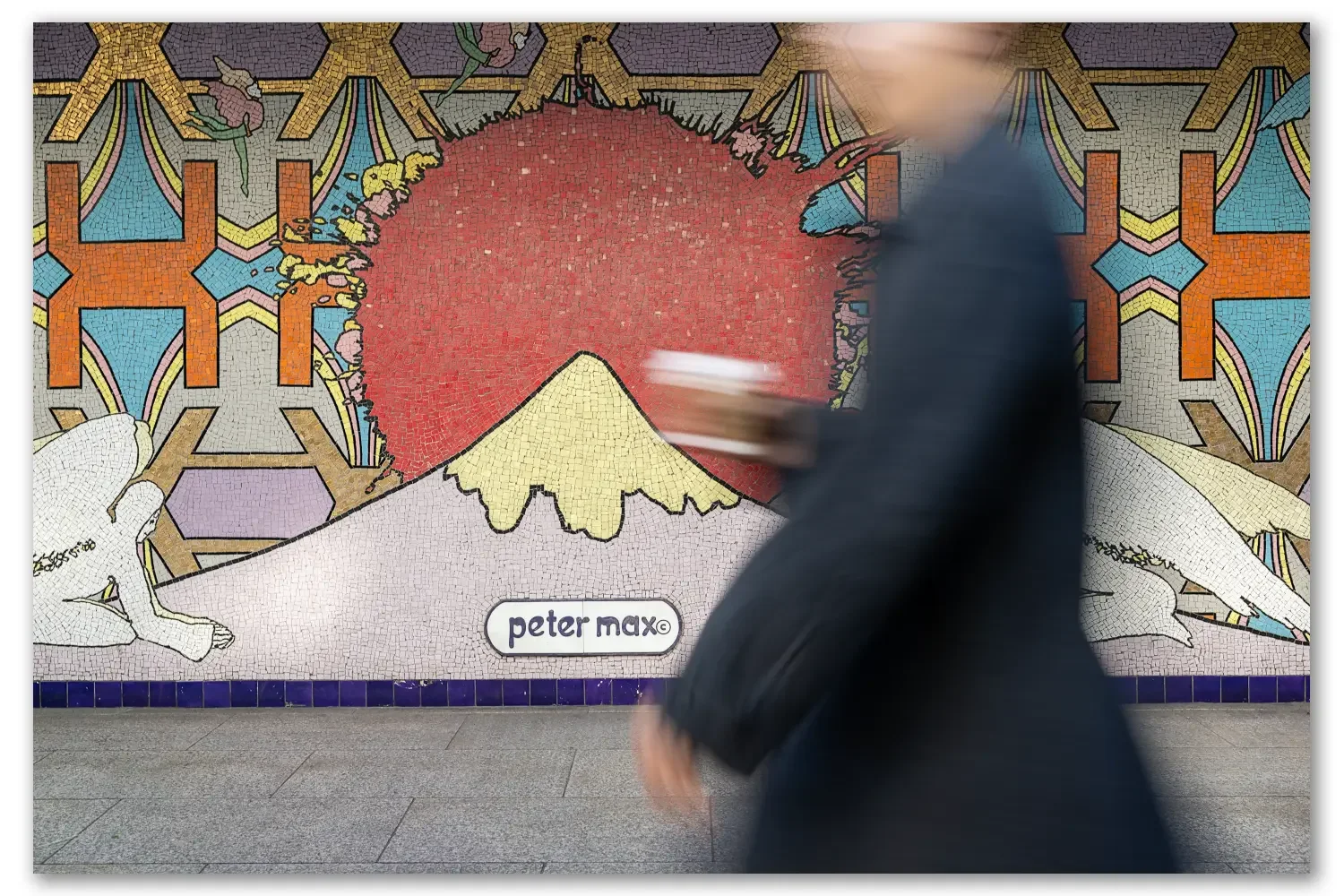
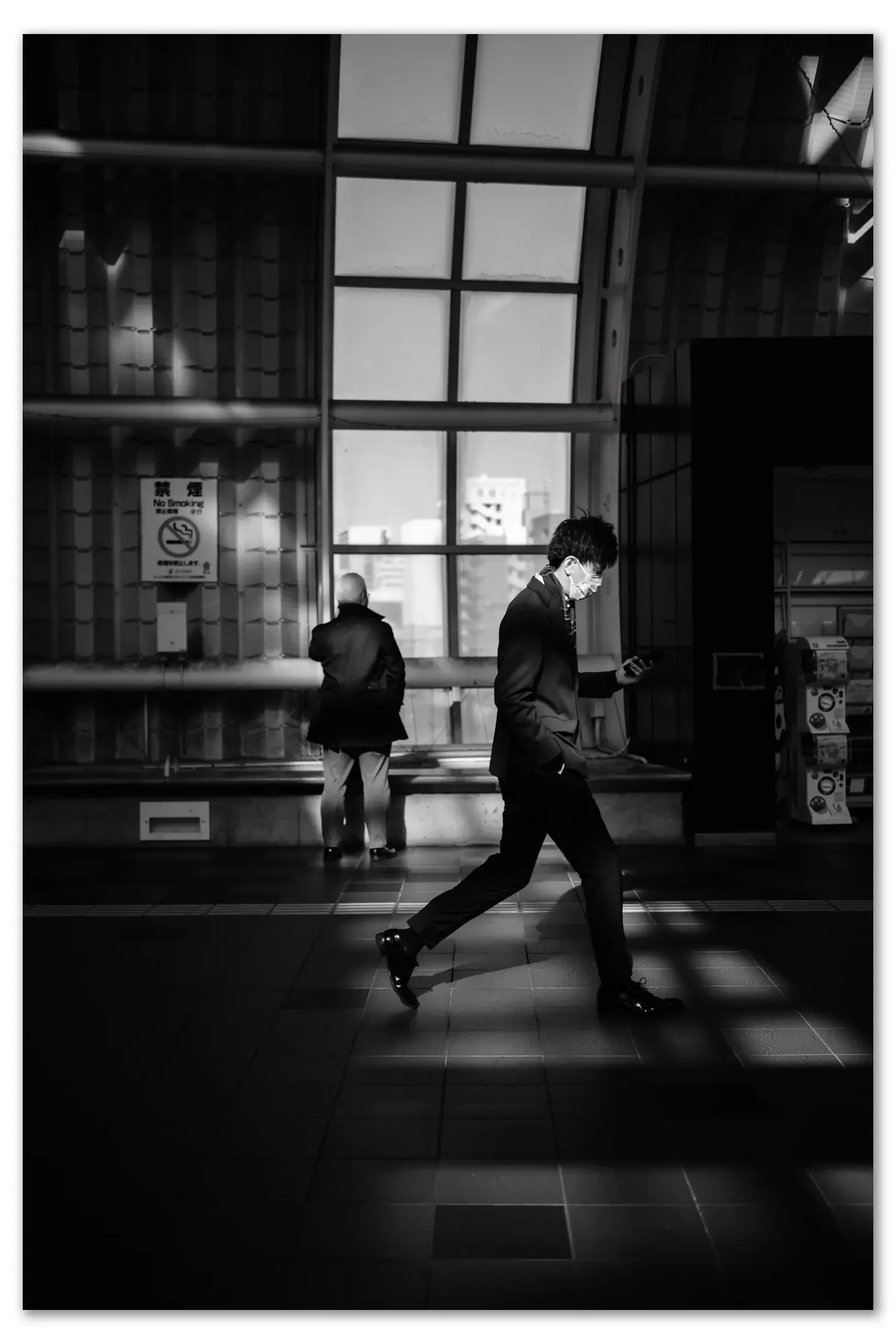
As always, I would love to hear your story in the comments below. If you feel so inclined, share a coffee with me. I am a flat white kind of guy. Happy shooting, everyone.
To book a tour, visit my photo workshop/photo tour website, or email directly jeff@tokyoforgeries.com