Slow Shutter Street Photography in Omiya
What is Slow Shutter or Shutter Dragging?
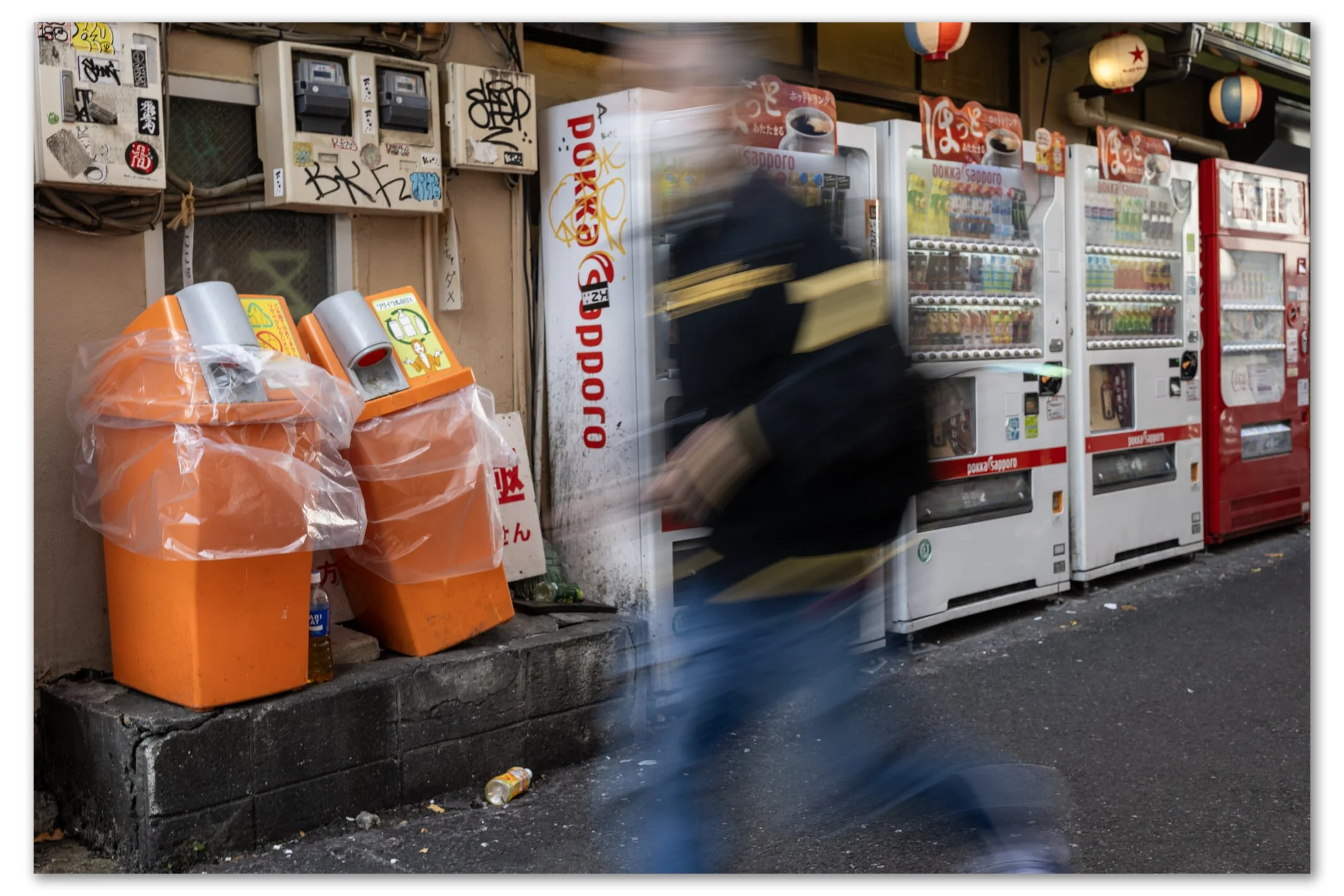
Slow shutter street photography involves using deliberately slow shutter speeds—a technique also known as shutter dragging—to create unique visual effects such as blur, ghosting, and a heightened sense of motion within an image. When a photographer slows the shutter speed, any moving elements within the scene, such as people, vehicles, or even weather, will appear blurred. In contrast, static elements remain sharp if the camera is held steady. This method can evoke a sense of energy, hustle, or even dreamlike serenity, depending on how it’s used.
Historically, many street photographers have experimented with slow shutter techniques to capture the dynamism of urban life. Alexey Titarenko, for example, famously used long exposures to photograph the streets of St. Petersburg, rendering moving crowds as smoky, ethereal shapes to illustrate the chaos and melancholy of post-Soviet Russia. Another notable figure, Ernst Haas, explored motion blur in his iconic colour street photographs from the 1950s, transforming familiar city scenes into abstract canvases rich with emotion and mystery.
Modern photographers continue to embrace slow shutter methods to illustrate the rhythm and movement inherent to city streets. Michael Kenna utilizes long exposures to create minimalist, almost timeless urban landscapes, while artists like Matt Stuart play with fleeting moments between subject and environment. The slow shutter technique allows photographers to blend the transient and the permanent, telling stories that unfold beyond a single frozen instant.
Practically, employing a slow shutter on the street might mean setting a shutter speed anywhere from 1/15th of a second down to several seconds, depending on available light and desired effect. Photographers often use tripods for longer exposures or stabilize themselves against a wall or lamppost if working handheld. The goal is to find a balance where static objects remain crisp while moving figures or vehicles dissolve into expressive trails of light and colour, emphasizing movement and the passage of time.
Slow shutter street photography is ultimately about using time as a creative tool. By abandoning the pursuit of perfect sharpness and embracing blur, photographers invite viewers to perceive the bustle and beauty of everyday life in a new, evocative way, connecting us to the city's persistent flow.
Omiya for Street Photography
History of Omiya: Omiya, now part of Saitama City, has roots tracing back to the Edo period when it served as a crucial post town on the Nakasendo, one of the five main routes connecting Edo (Tokyo) to Kyoto. The name “Omiya” means “great shrine,” referencing the renowned Hikawa Shrine, a center of spiritual and community life that has attracted worshippers for over two millennia. During the Meiji era and beyond, Omiya flourished as a railway hub, catalyzing its growth into a dynamic urban center. By the twentieth century, Omiya had become synonymous with rail culture and innovation, hosting the Railway Museum and playing a key role in the modernization of the Kanto region.
Omiya continued to evolve throughout the twentieth century, integrating more urban characteristics while retaining glimpses of its historical charm. The area transitioned from a suburban outpost to a thriving commercial and cultural district, bolstered by the expansion of transportation networks. Today, Omiya blends the legacy of ancient pilgrimage routes and traditional festivals with modern shopping arcades, business towers, and a diverse population, reflecting both continuity and change at the heart of Saitama.
Street Photography Around Omiya Station: Omiya Station is a vibrant crossroads where the city’s layered history meets contemporary urban life. For street photographers, this area offers an abundance of fascinating subjects—commuters pouring through the sprawling station plaza, vendors lining bustling shotengai (shopping streets), and the ever-present mix of old and new architecture. The ambient light filtering through overpasses and arcades, the blur of trains, and the periodic festival processions provide excellent opportunities to experiment with movement, contrast, and human interaction.
Walking around Omiya Station, photographers can capture the juxtaposition of tradition and modernity—salarymen rushing to high-rises, locals queuing for classic sweet shops, and students gathering at open plazas. Scenes change swiftly with the time of day and the rhythm of train timetables, granting each visit a sense of unpredictability and potential discovery. Whether seeking candid portraits, urban abstracts, or storytelling montages, street photography in Omiya rewards those who look closely at the lively, fleeting moments that define the city’s daily life.
On a personal note, Omiya has been one of my favourite street photography spots for 25 years. It holds a special place in my heart, as I use it to test new cameras and lenses, creating many memorable moments there. It is my personal proving ground. If you want to test yourself and see a little of the untouched, tourist-free Japan, spend the day in Omiya.
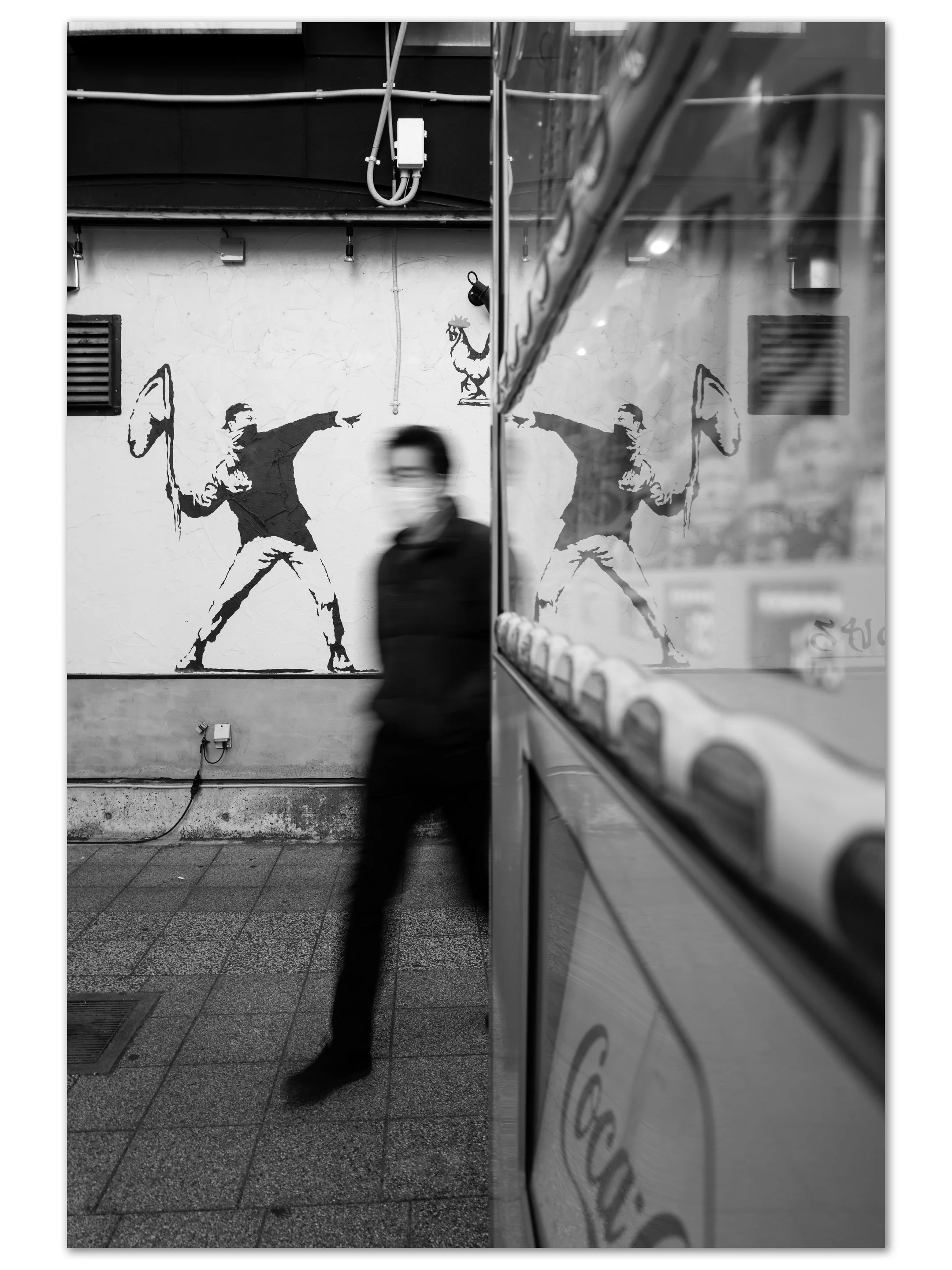
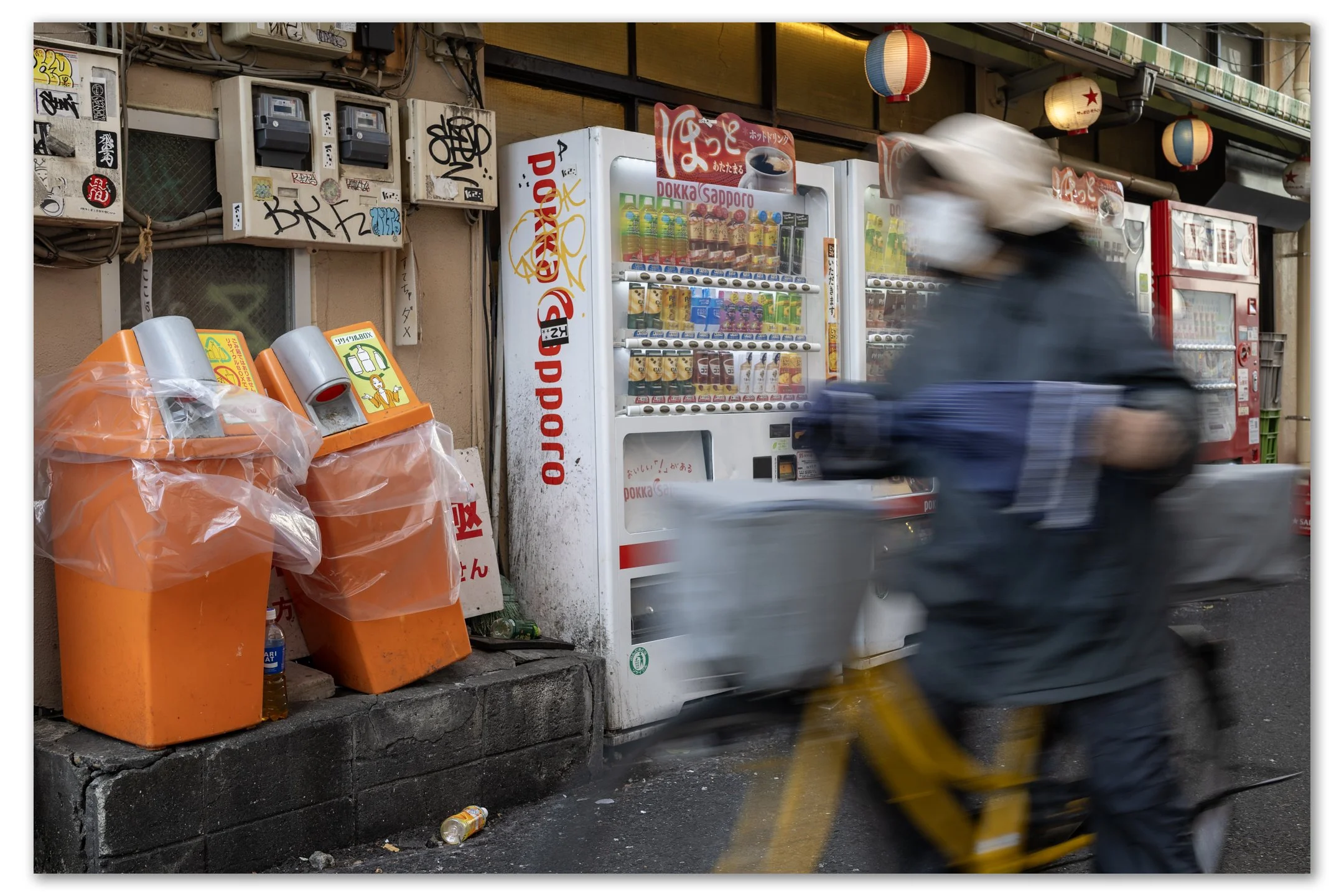
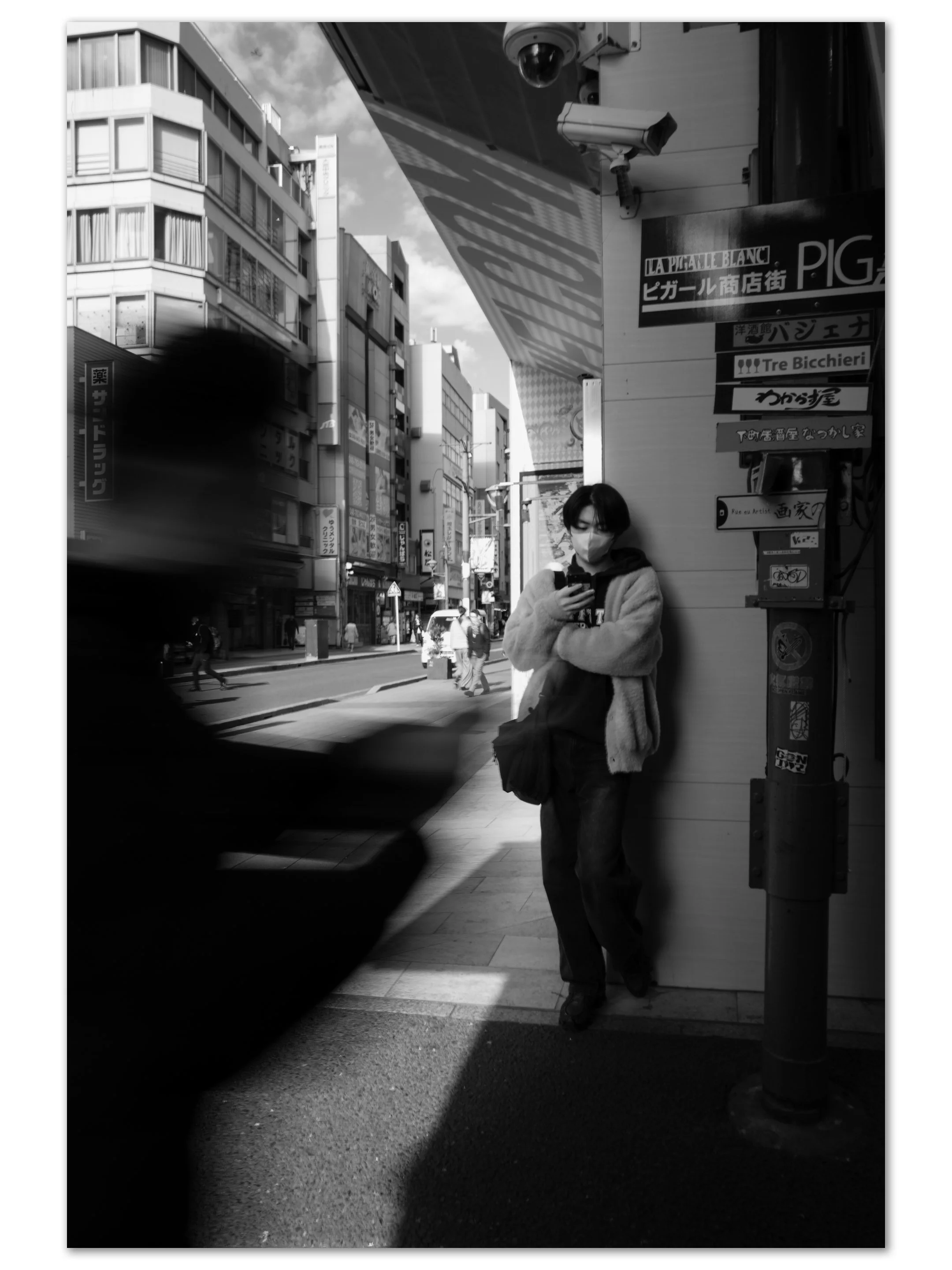
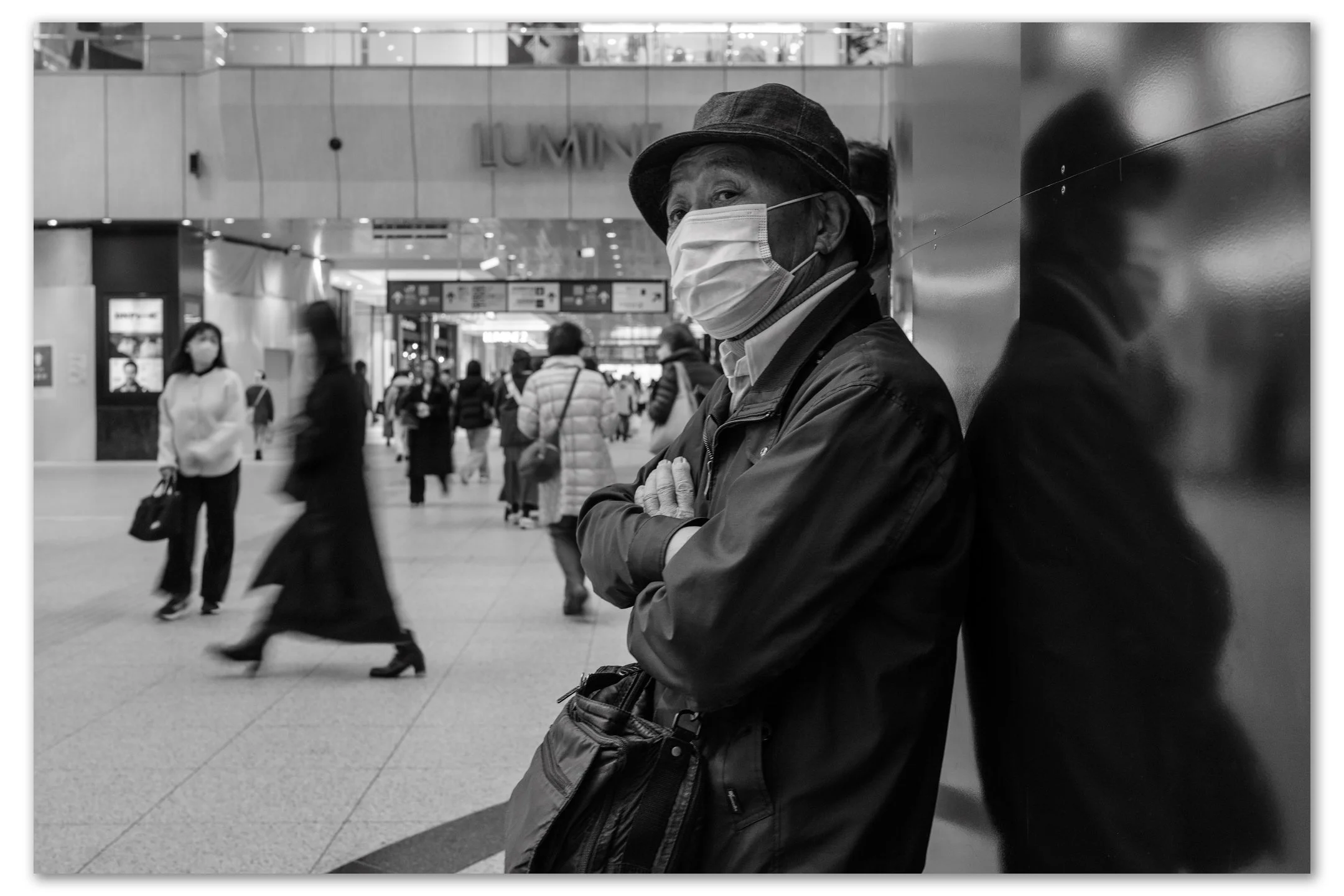
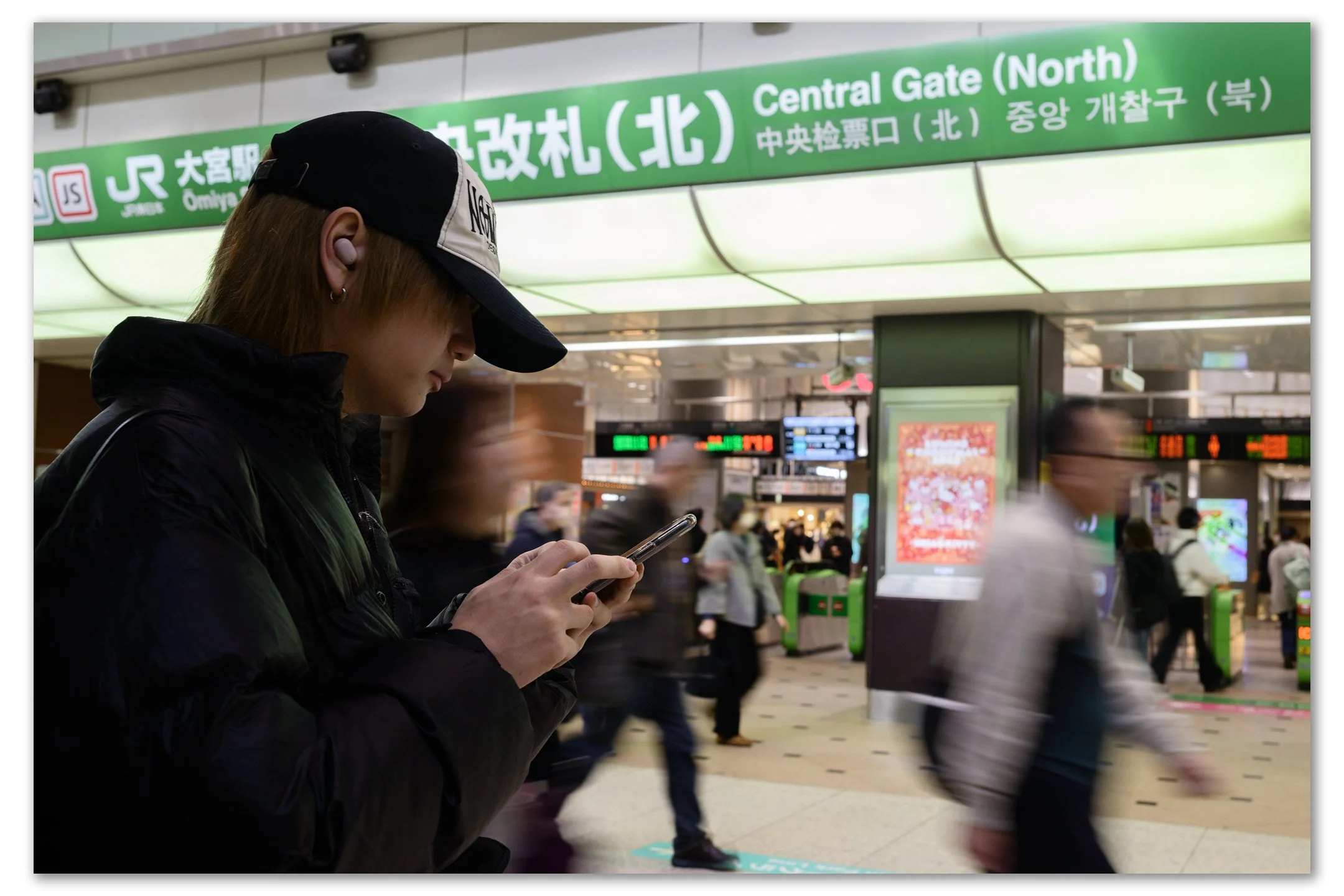
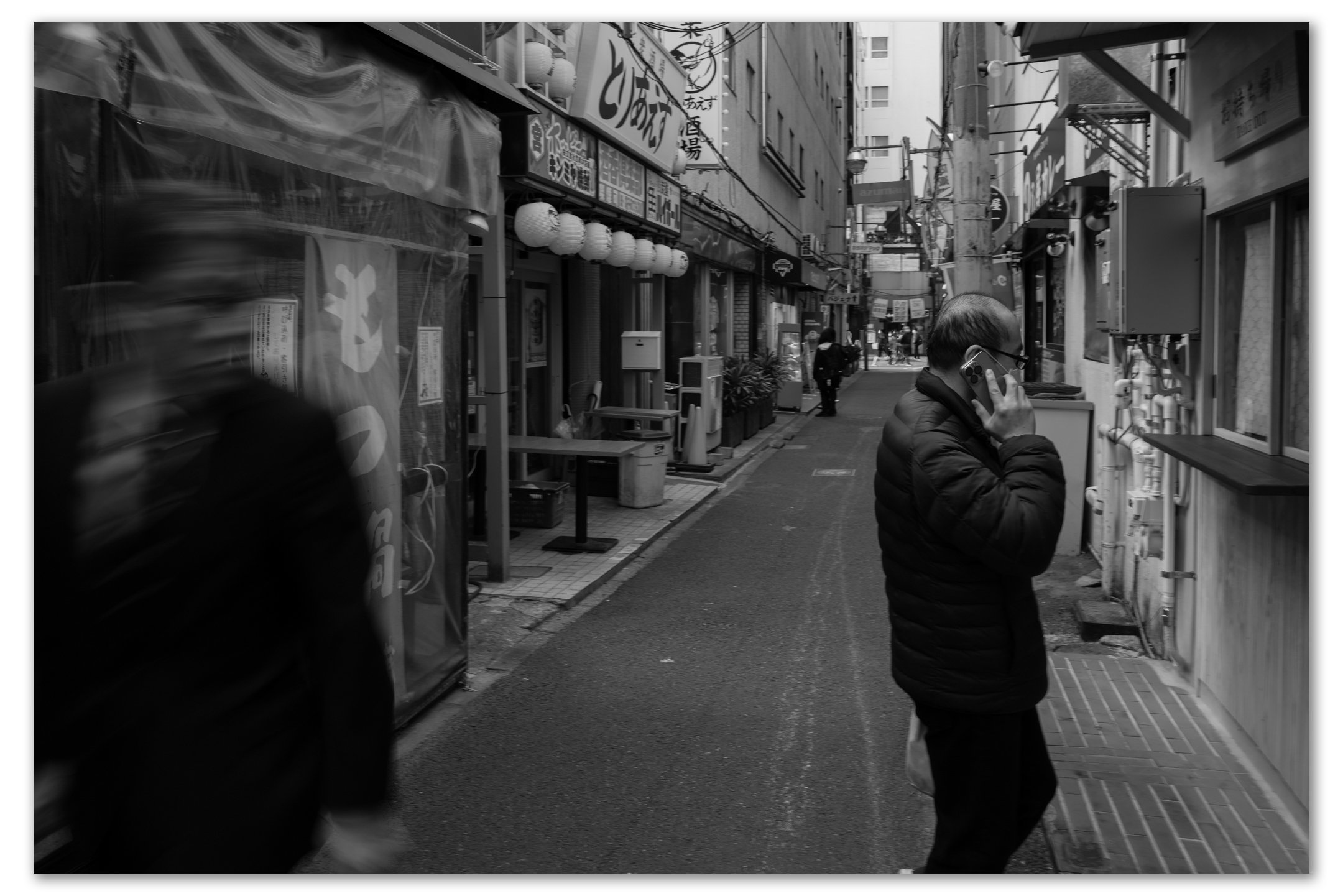
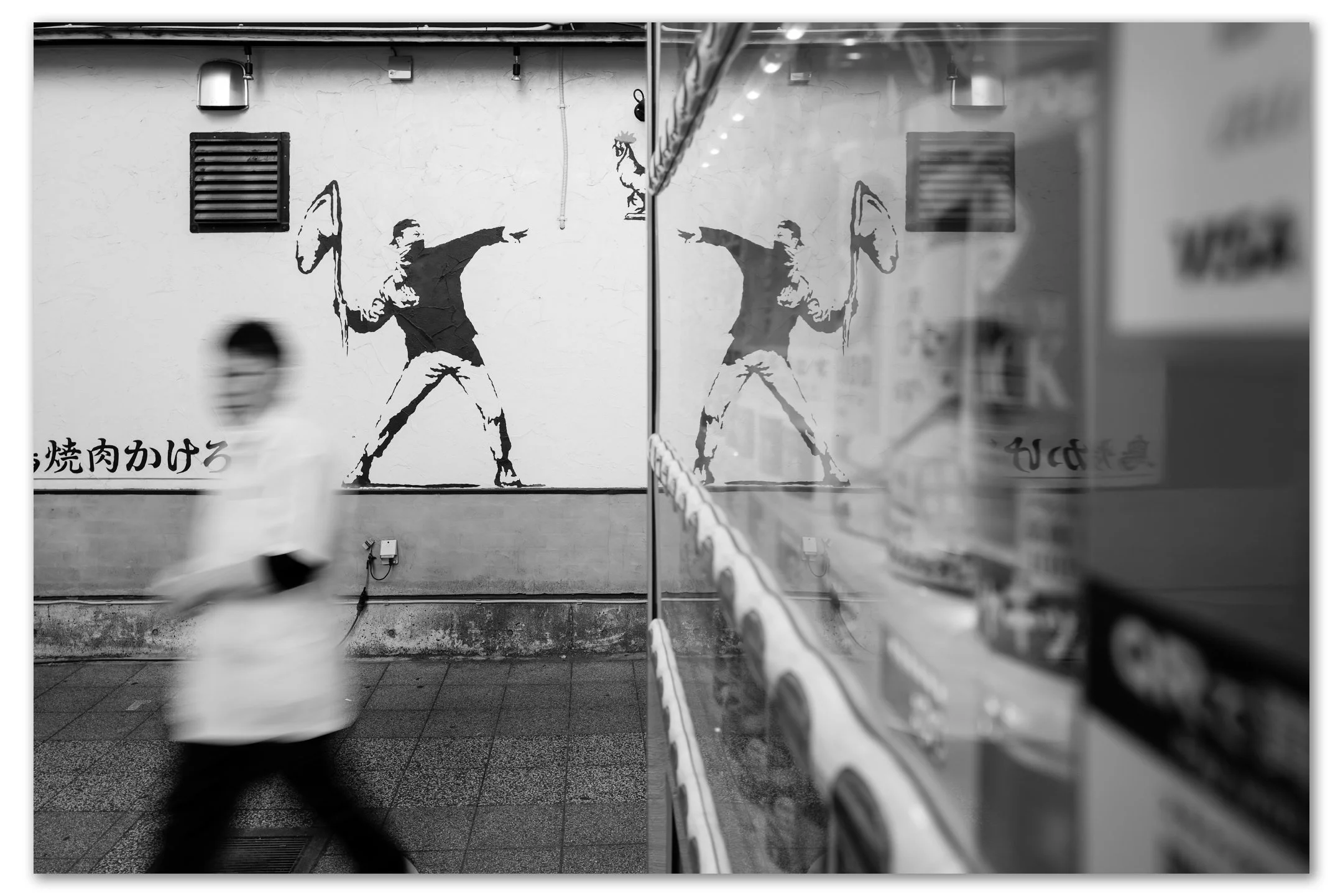


As always, I would love to hear your story in the comments below. If you feel so inclined, share a coffee with me. I am a flat white kind of guy. Happy shooting, everyone.
To book a tour, visit my photo workshop/photo tour website, or email directly jeff@tokyoforgeries.com