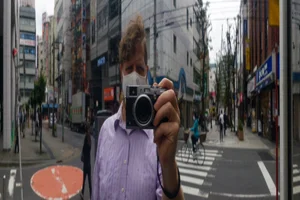
Shooting F16 on a Leica Monochrom in Uneo Market
The Leica
The very first thing I wanted from a digital camera, I am talking pre-Adobe Light Room, pre-ACR, literally, you could only change white balance, exposure, and contrast before Photoshop would open your RAW image days, was a black-and-white-only sensor. As I learned about camera gear and understood that all sensors were black-and-white with an RGB filter array over them, I knew all the big brands would eventually put out a black-and-white camera.
Of course, that never occurred. I did my best to learn every way possible to convert colour images into black and white. It was a rewarding experience. It never quite lived up to the qualities I had come to know and love in the darkroom. There is a tonal range and gradient within that, which were near-impossible to replicate in the early days of digital.
Software improved to the point of splitting hairs, and that was close enough for me. I kept shooting and shooting, creating an all-black-and-white portfolio. I was delighted with my output, but still wished for the specialty camera. Leica obliged with the first monochrom camera, the M9M. In 2012, I had a house, two kids and no budget for a new Leica.
A decade and a third child later, Leica had released several monochrom cameras. As luck would have it, a favourite camera store of mine had a few Q2 Monochrom cameras in stock, and after some undignified begging, Mrs Austin gave her blessing.
The camera is an elegant, finely tuned machine that works as perfectly. The files from this camera are absolutely gorgeous. Ironically, there is very little to edit. I shoot for what I want in the moment, and the camera gives it to me.
Shooting F/16
Shooting at f/16 will provide maximum depth of field. This allows me, the street photographer, to miss focus a little and still have a shot. It provides all the context, giving me only a subject to focus on, allowing me to build in as many or as few layers as I like.
In other words, f/16 eliminates much of the noise, providing a much-needed clarity on the busy streets of Tokyo. The freedom this provides can not be understated. I feel driven, fully alert, with all the creative juices at my command—a great way to shoot.
Some will say that you don’t get the best of your lens due to diffraction. This is true, but if my lens is super-crazy sharp at f/5.6 and only sharp at f/16, I am okay with that. Street photography doesn't really require razor sharpness; it requires great subject matter. F/16 gives that all day long.
Ueno Market Perfect For F/16
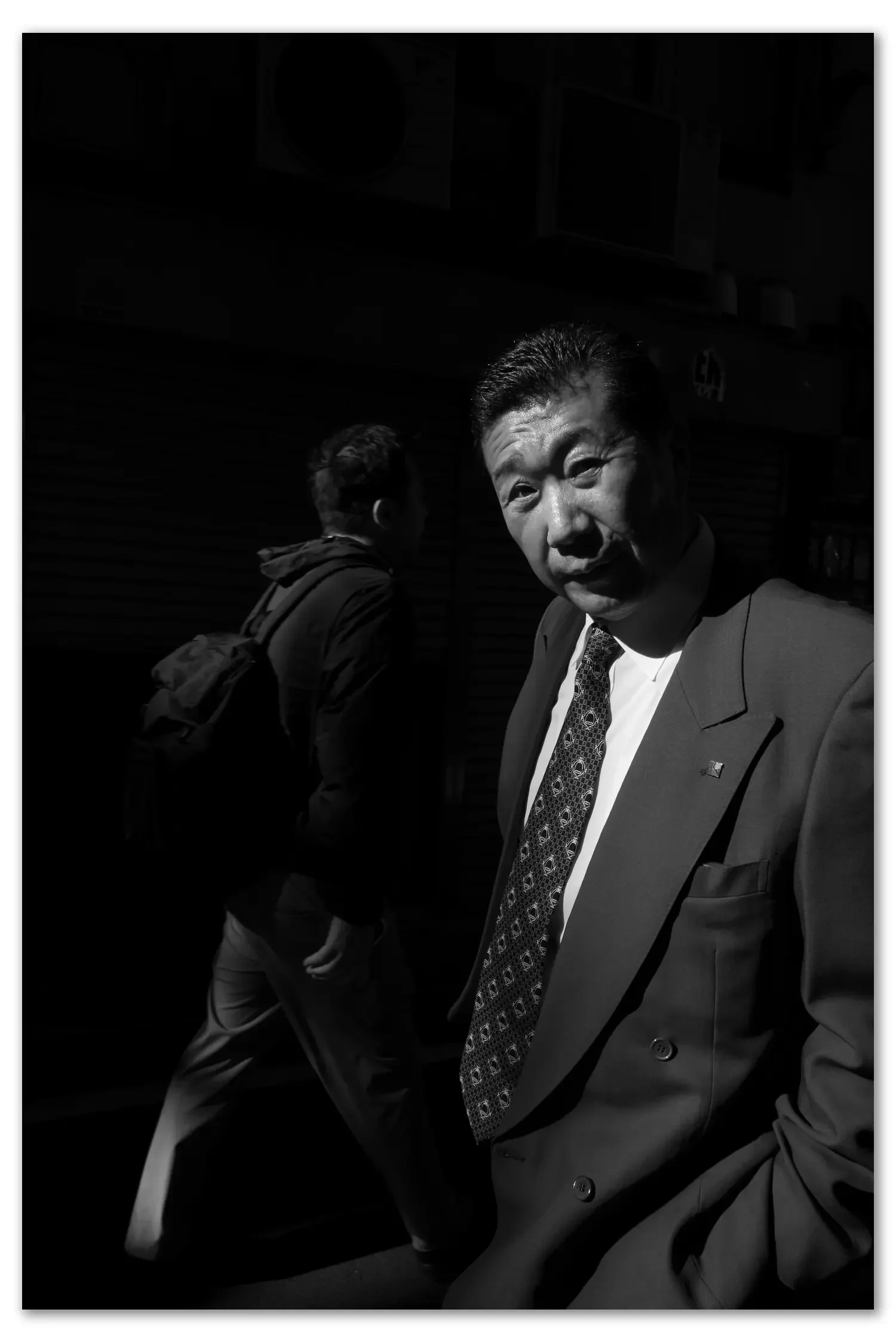
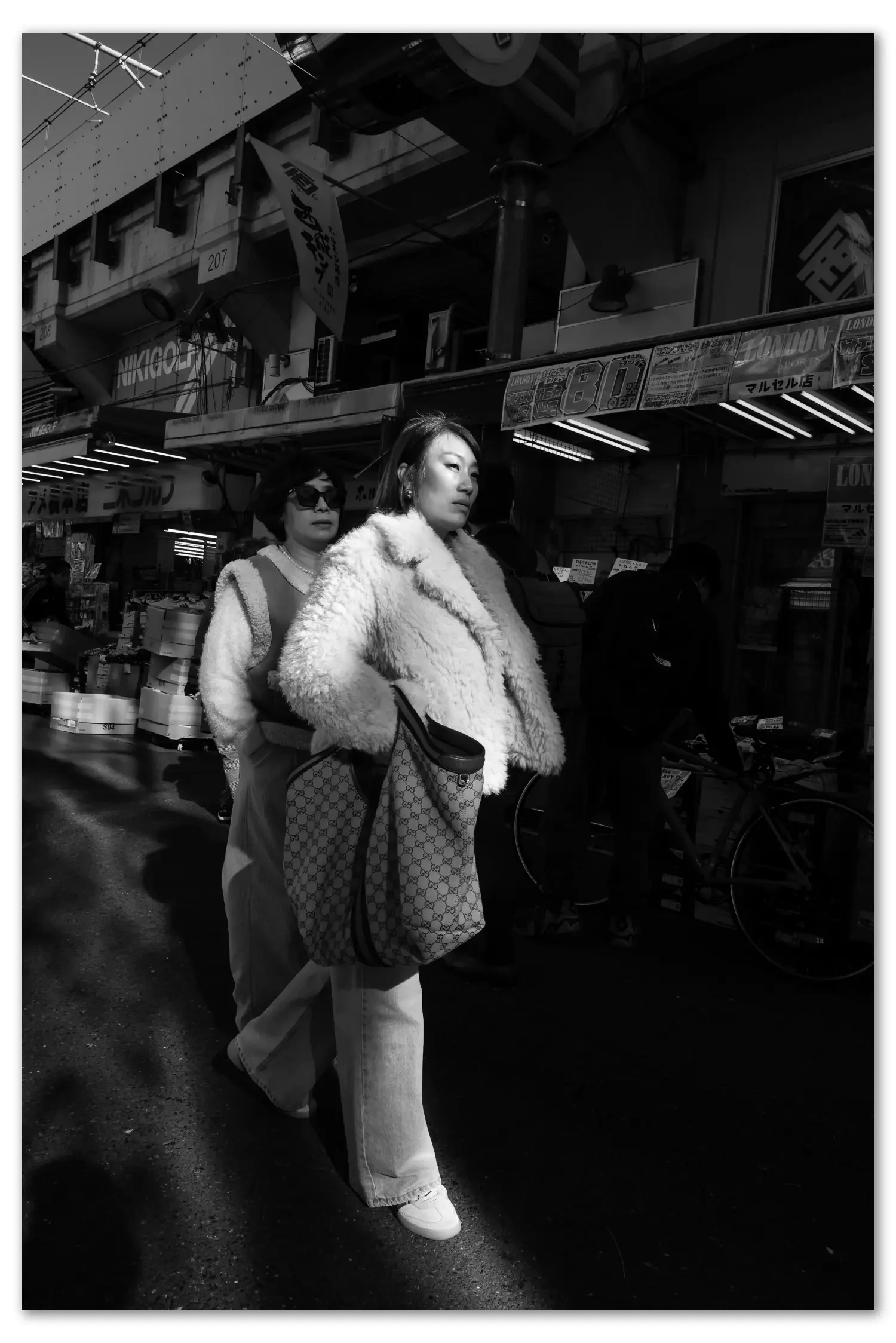
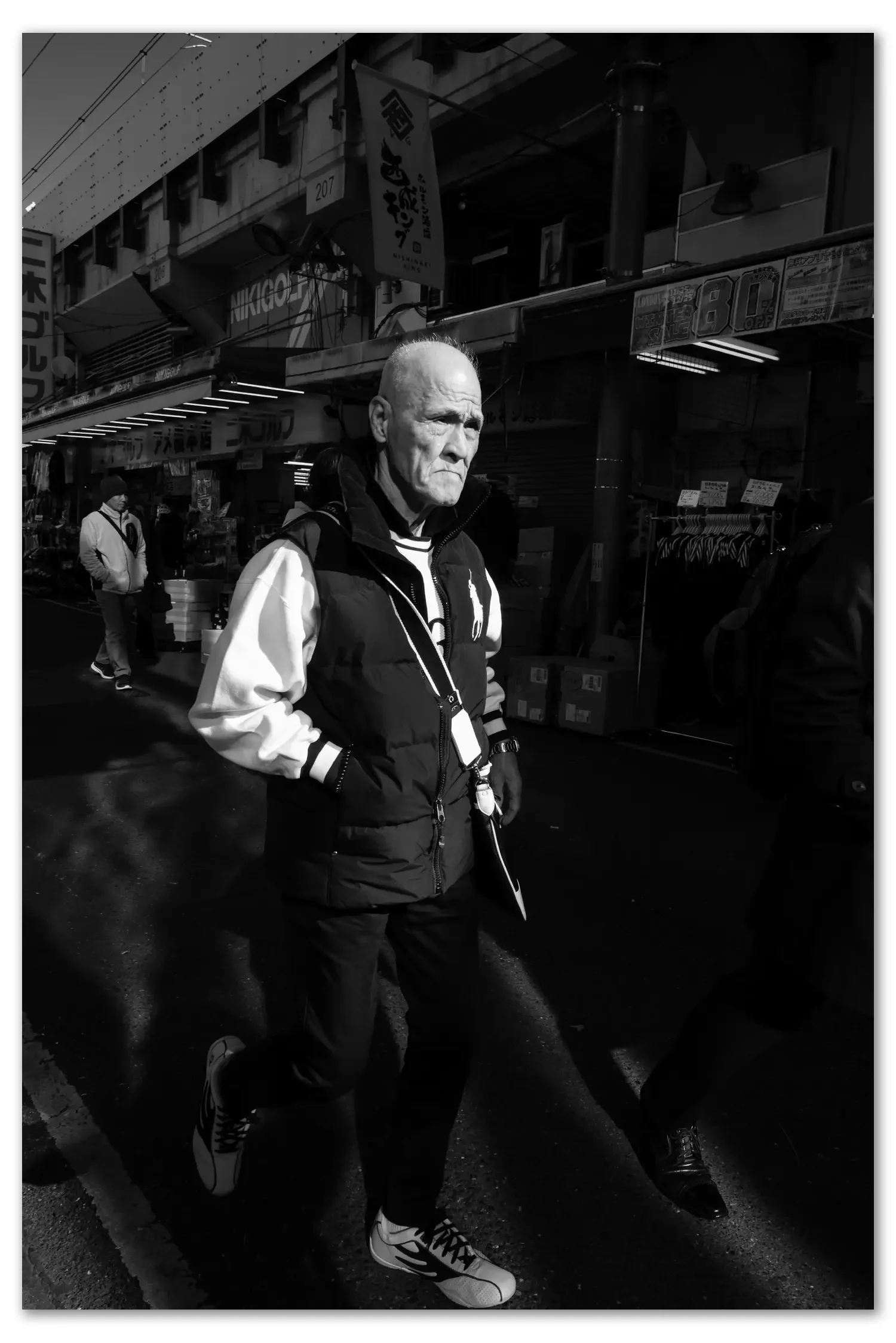
With its high-contrast light (on a sunny day), the narrow streets, the constant flow of people, and the vibrant atmosphere, it creates the perfect harmony for f/16 street shooting.
The forgiving nature of f/16 depth of field gives you confidence to make instant choices, knowing your image will be there. It allows me to shoot at the speed of the market, which can be anywhere from a slow, languid, meandering subject to absolute chaos moving at full speed. Decisive moments come and go in the blink of an eye. F/16 allows for the capture of them without the penalty.
The sun rises over the tracks the market is located under. Light reflects off the buildings directly next to the tracks, creating beautiful pools of light for people to walk in and out of. This light shifts along the market, giving a variety of locations from which to take advantage. F/16 can help deal with specular highlights or provide the subject with the context of a focused background.
Leica Monochrom f/16
Using the Leica Q2 Monochrom stopped down to f/16 produces a rich, dramatic image that is nearly as compelling as the market itself. The ISO is incredible, providing smooth roll-off even at higher ISOs like 3200-6400. This camera truly allows me to capture the moment in the moment with little need for editing afterward. I love that.
I spend more time on the culling process and less time moving sliders back and forth. The culling process allows for so much learning to take place —not just the simple things like underexposure or a slow shutter speed, but the complex properties of image creation that must be experienced, not read in a textbook—for example, the relationship between subject matter and context in a composition. That is a matter of taste, but it must be understood in general before one can purposefully use it to convey meaning. The Leica Q2 Monochrom give me this opportunity daily.
As always, I would love to hear your story in the comments below. If you feel so inclined, share a coffee with me. I am a flat white kind of guy. Happy shooting, everyone.
To book a tour, visit my photo workshop/photo tour website, or email directly jeff@tokyoforgeries.com