The Long Walk: Ueno to Jimbocho
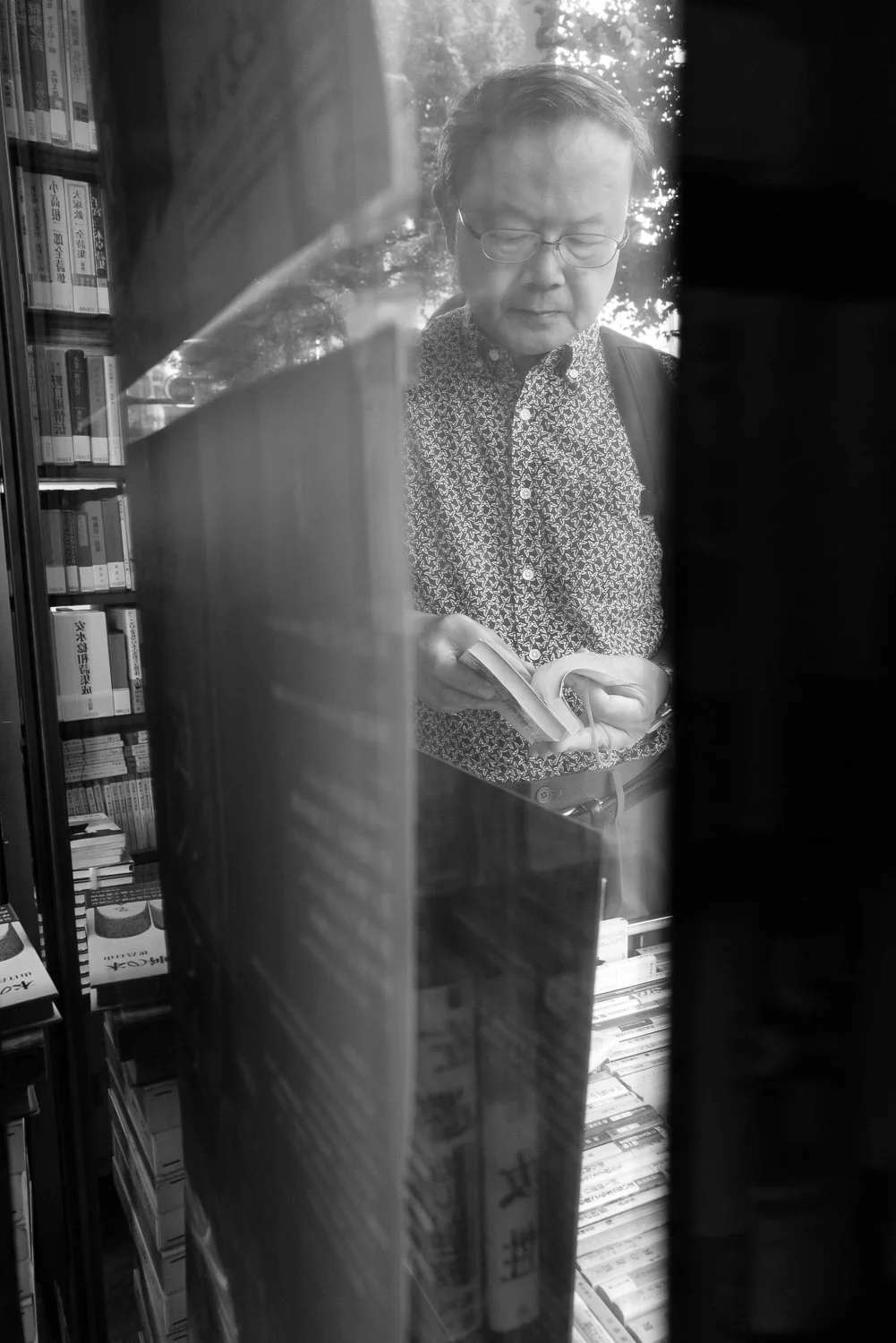
Jimbocho Street Photography
Not every walk has to end with a lesson. We've made street photography into a hunt for takeaways and keepers, but some days the walk itself is the work.
Walking instead of riding
Recently, I have been spending a great deal of time on the east side of Tokyo, walking from location to location rather than using the abundant public transport. These walks have become longer and longer.
Most recently, after a warm-up in Akabane, I took the train to Ueno, not really knowing where I would end up. I walked from Ueno through the market, stopping to shoot as I saw fit and looping through it a few times before heading toward Akihabara.
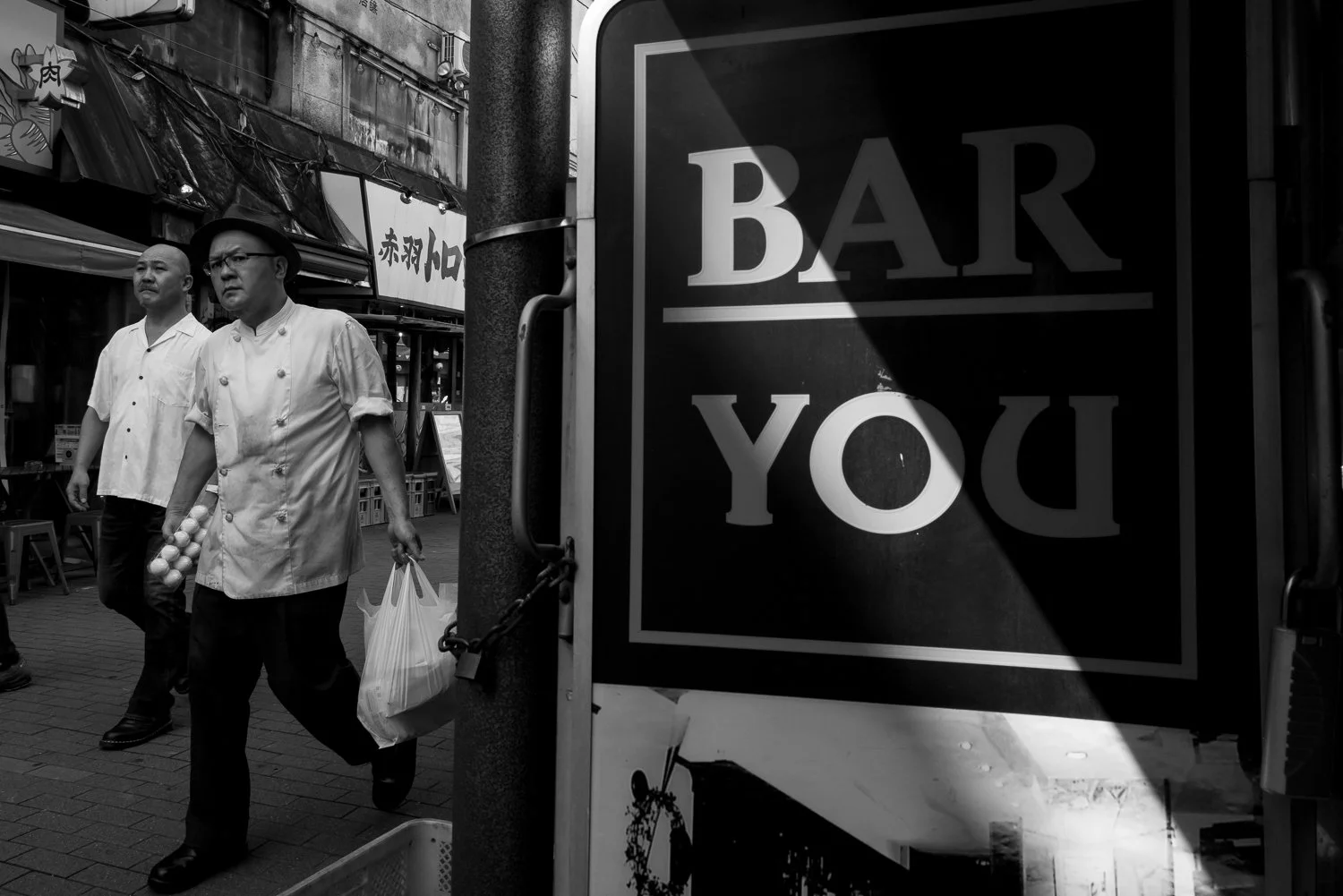
Akabane street photography
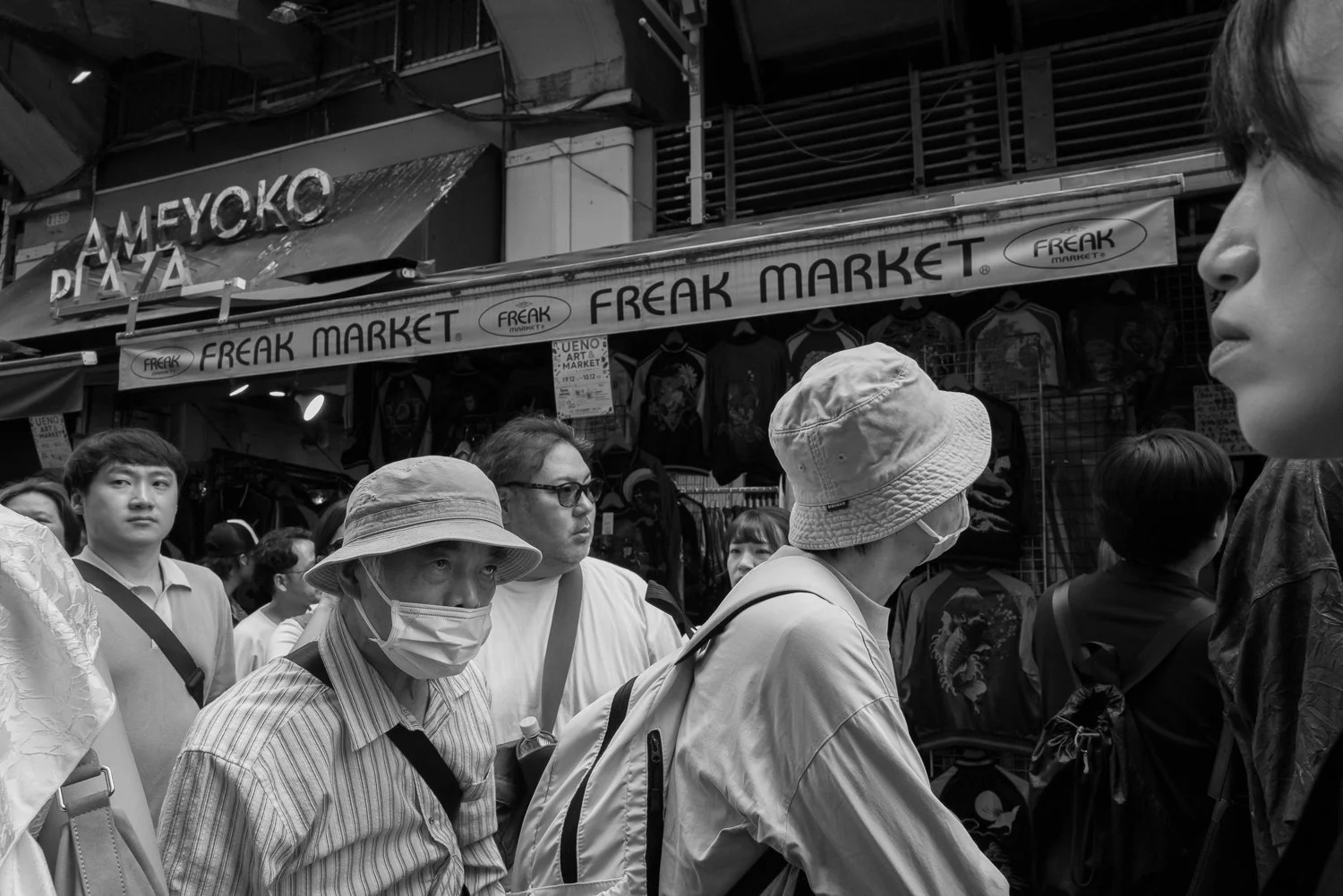
Crowd of faces in Ueno Market
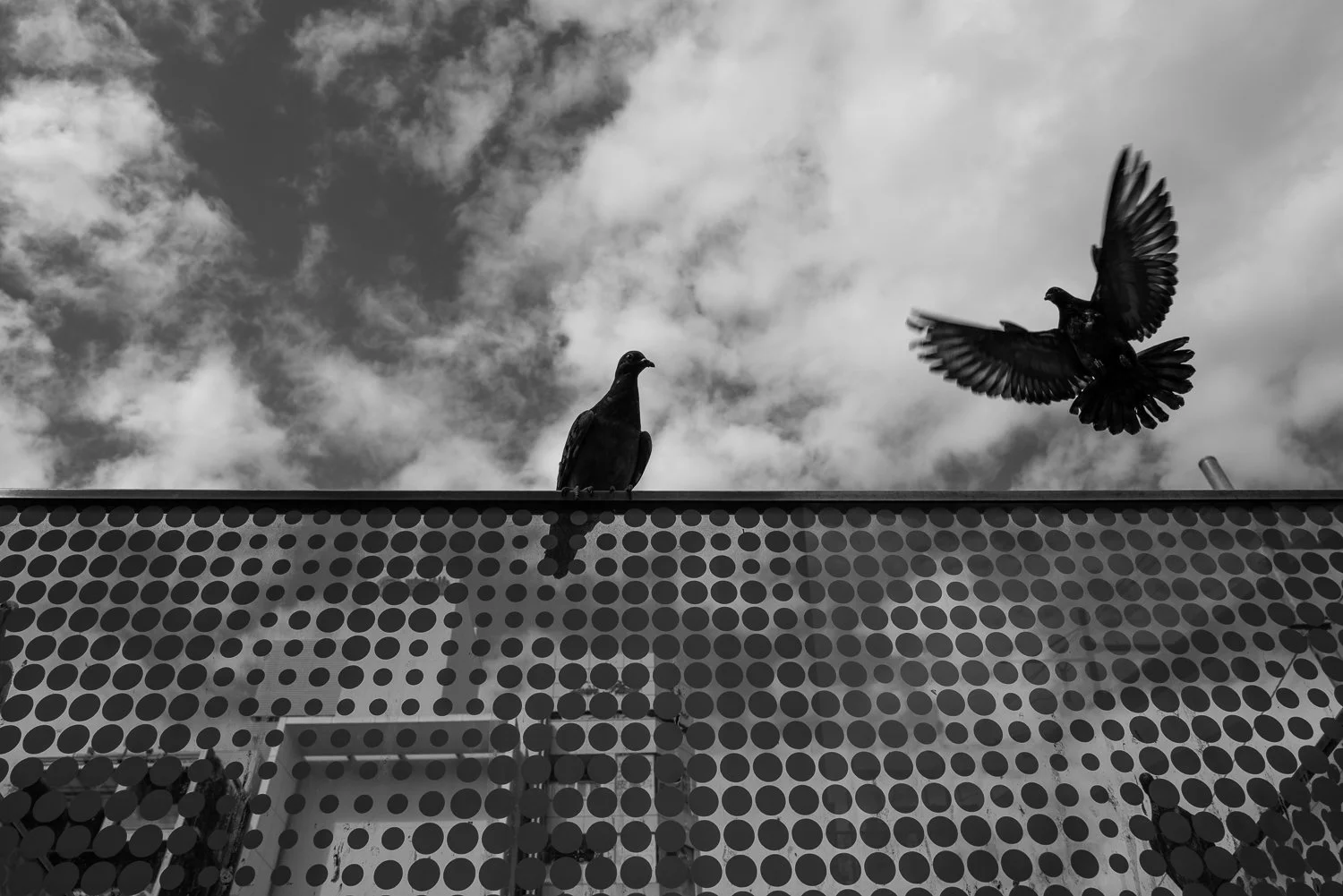
Tokyo pigeon.
A choice, and then another
I spent a short time in Akihabara, but I wasn't really feeling it, which left me with a choice: hop on a train somewhere, or extend my walk a bit further. I decided to keep walking.
It's a short trip to Ochanomizu, and a fun one. Kanda Shrine (Kanda Myojin) is on the way, and Ochanomizu itself is quite an interesting little area, one I'd like to spend more time in. Just a few blocks past Ochanomizu is Book Town, as Jimbocho is often called.
This is a favourite spot of mine, and I felt quite confident that it would yield some decent frames. However, it was a holiday, and at least half of the bookshops were closed, which meant fewer pedestrians, especially the older Japanese gentlemen I prefer to photograph. The books looked so perfect.
I'd only been there a short while. I stopped for coffee, and was again presented with a choice: hop on the train and head home, or keep walking. I decided to keep walking.
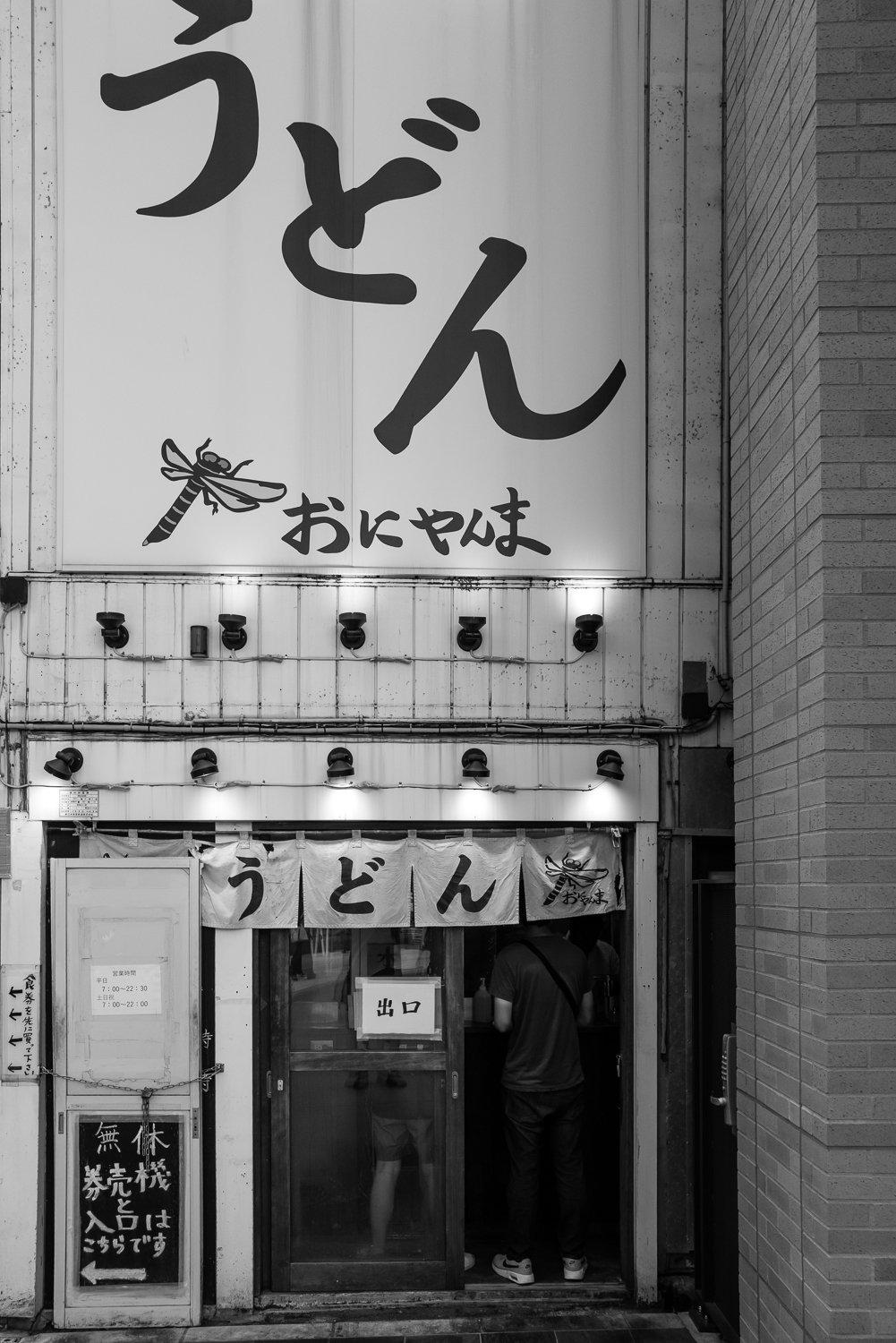
Udon shop in Ochanomizu
Yasukuni at sunset
I walked along the main avenue toward Yasukuni Shrine. Ichigaya Station is on the other side of the shrine, which makes it easy to get home. It had been at least a decade since I'd been to Yasukuni Shrine, and I'd forgotten just how big the place is. It's massive. It isn't Meiji Jingu massive, but it's really, really big.
I wandered around there for quite a while as the sun began to set. I didn't take many pictures; I just took in the atmosphere. It has quite a difficult history, and you can feel it when you're there. Taking time to notice those feelings and appreciate them is, I think, a good thing. I made my way through the shrine and back onto the main road toward Ichigaya Station, where I caught my subway home.
The ride home
It was a good, long subway ride, and I was able to sit from the first stop, which is a little rare but happens from time to time. I used the EVF to review the day, clicking through frame by frame, and realized just how much ground I had covered in a single afternoon. Essentially, I started walking and didn't stop, except for a 15-minute coffee in Jimbocho.
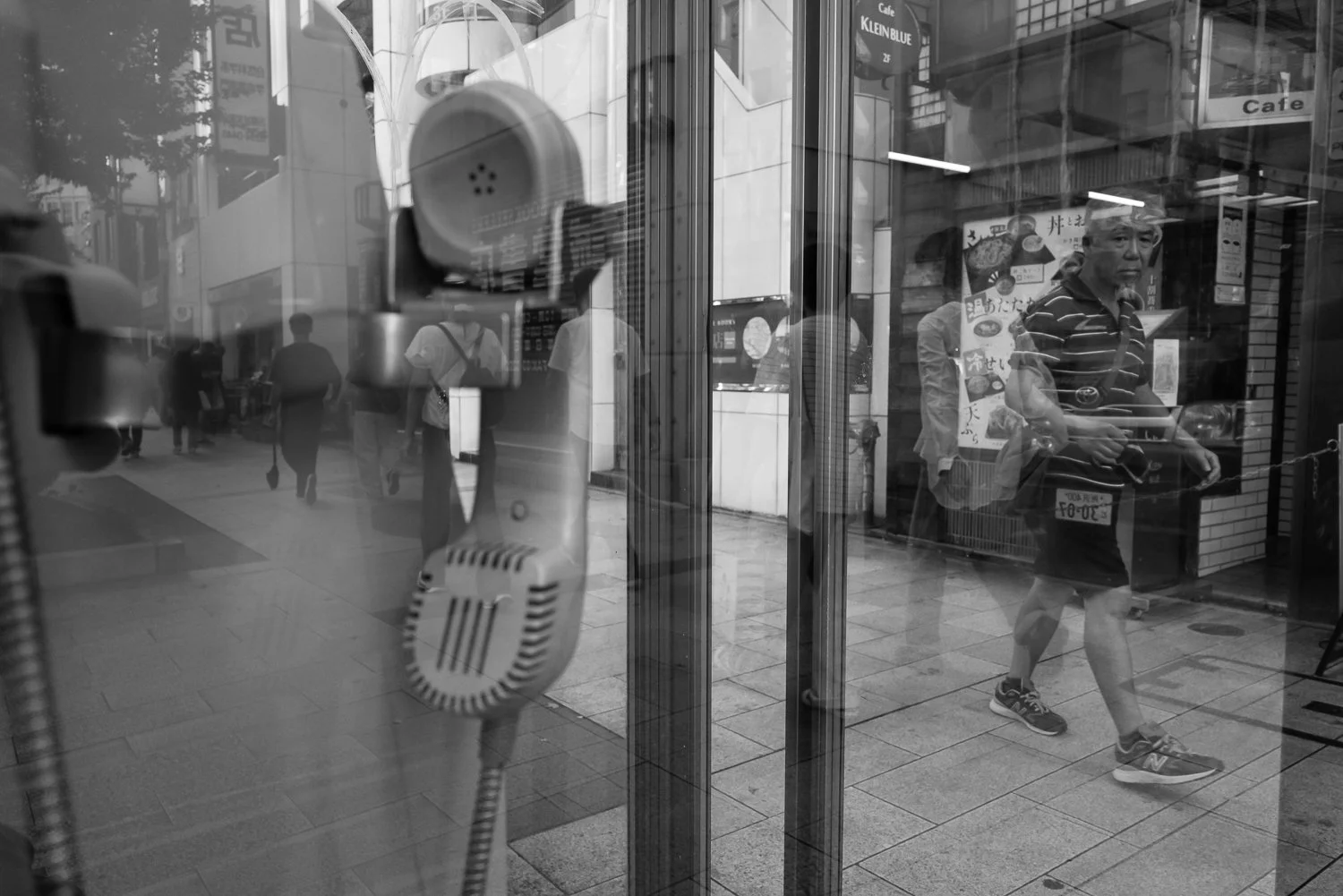
Jimbocho telephone booth reflection.
I was happy enough with the frames, but even happier with this excellent walk. I had my GPS on, and I tracked parts of it, though not all, and I was very happy I did. Using the GPS on my phone to make a map is something I'm going to start doing regularly now. It's quite fascinating to see where you went. Sometimes I circle a block two, three, four times, and the GPS traces every loop quite accurately. It's quite interesting.
No lesson
There's nothing really special about today. No lesson, just a man and his camera walking through the city.
Every frame from the walk was forged on a Leica Q2 Monochrom with its fixed 28mm Summilux, mostly at f/8 to f/11: one camera, one focal length, and a lot of pavement.
— Jeff Austin, Tokyo Forgeries · Akabane, Ueno, Akihabara, Ochanomizu, Jimbocho, Yasukuni, Ichigaya · 22 September 2026
The streets never look the same way twice. I’m curious—how does this side of Tokyo hit you? Drop a comment below.
I live on flat whites and shutter clicks. If you’ve found value in these shots, toss a coffee my way to keep the sensor humming.
For those who want to skip the tourist traps and shoot the real Tokyo, my calendar is open for workshops. Explore the Masterclass here or email me at jeff@tokyoforgeries.com.
See you in the shadows.
Tokyo Forgeries is an evolving archive of Tokyo street photography and vintage-lens deep dives. We spend 30 days in every ward, using mid-century brass and glass to capture the city’s soul. This is a roadmap for the active pursuit of craft—documented through the geography of Tokyo and the character of its light.