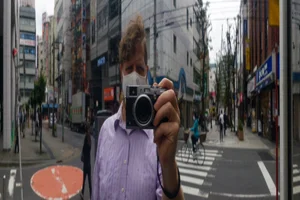
28mm Lens Street Photography in Tokyo’s Jimbocho District
28mm Lens Street Photography:
The 28mm focal length holds a special place in street photography, renowned for its versatility and immersive perspective. Historically, 28mm lenses became a favourite among photojournalists and street photographers for their ability to capture wide scenes while retaining a sense of intimacy. Notably, legendary photographers like Garry Winogrand and Daido Moriyama frequently used 28mm lenses, leveraging their ability to get close to subjects and include context without excessive distortion.
Famous 28mm lenses include the Leica 28mm Summicron, Nikon 28mm f/2.8, and Ricoh GR’s fixed 28mm lens—each celebrated for their sharpness and compact design. In contemporary times, the Leica Q2, with its fixed 28mm f/1.7 Summilux lens, has reignited interest in this focal length. The camera’s portability, outstanding optics, and modern digital features make it a staple for today’s street photographers, blending classic framing with cutting-edge technology.
Current trends show a renewed appreciation for wider perspectives, allowing photographers to immerse viewers in bustling city scenes and candid street moments. The 28mm perspective remains a bridge between capturing sweeping environments and personal interactions, appealing to both traditionalists and digital natives.
Where and What is Tokyo’s Jimbocho District:
Tokyo’s Jimbocho District is a historic neighbourhood located in Chiyoda Ward, near the center of Tokyo. Often dubbed the city’s “Book Town,” Jimbocho is best known for its dense concentration of used bookstores, publishing houses, and academic institutions. The district’s origins date back to the Meiji era, when the nearby universities attracted students and intellectuals, fostering a vibrant secondhand book market that has thrived for over a century. Even today, the streets are lined with nostalgic shopfronts and shelves upon shelves of rare, antique, and contemporary books in Japanese and a variety of languages.
Jimbocho’s cultural significance extends beyond books; it has long been a gathering spot for writers, scholars, and creatives. The district's atmosphere bridges old and new, with traditional kissaten (coffeehouses) mingling with trendy cafes. Over time, Jimbocho became a hub for publishing houses, academic supply stores, and small theatres. Several historic buildings remain, adding a timeless feeling to the area despite Tokyo’s rapid modernization.
Jimbocho remains a vital cultural enclave. The bookshops, many of which are family-run, attract bibliophiles from across Japan and the world. In recent years, the district has seen a revival among younger crowds, thanks to its retro charm, affordable eateries, and vibrant arts scene. The neighbourhood is also known for its curry houses, making it a popular lunchtime destination. Regular book festivals and street fairs highlight its enduring appeal and commitment to celebrating intellectual life in Tokyo.
Thus, Jimbocho maintains its reputation not only as the heart of Tokyo’s literary scene but also as a dynamic district where history, scholarship, and local energy come together in a uniquely Tokyoite fashion.
The How and Why of 28mm Street Photography in Jimbocho:
The familiarity apparent on many streets in Jinbocho requires a street photographer to do two things: take a step closer to the subject and maintain the scene's context. 28mm is wide enough not to distort the scene’s reality while still allowing for an intimate portrait of the subject.
While 35mm would also work wonders in this location, the tight quarters of some favourite shooting spots begot the use of the wider 28mm lens. There is nothing worse than disturbing a scene by taking a step backwards into someone or something. In this setting, I want to slip in and capture the shot I see. If the opportunity presents itself to work the scene, I will, of course, oblige.
I am fortunate to have two 28mm lenses and a 35mm lens to choose from. On this day, I shot with the Leica 28mm Summilux mounted on the Q2 Monochrom. It is a beautiful optic with a fast f/1.7 aperture that focuses light onto the 47-megapixel black-and-white sensor. It is such a stunning camera. I believe it was made for locations like Jinbocho.
I used this fantastic camera to first explore the streets, alleys, and shops, snapping away at points of interest. I found old bicycles, classic signs, books and people to photograph. After a quick coffee at Mametora Jimbocho Roastery, I began to shoot in earnest. I like to hit the bookshops on the main street in mid-afternoon. The winter sun is already setting, reflecting off the tall glass buildings, illuminating the opposite side of the street.
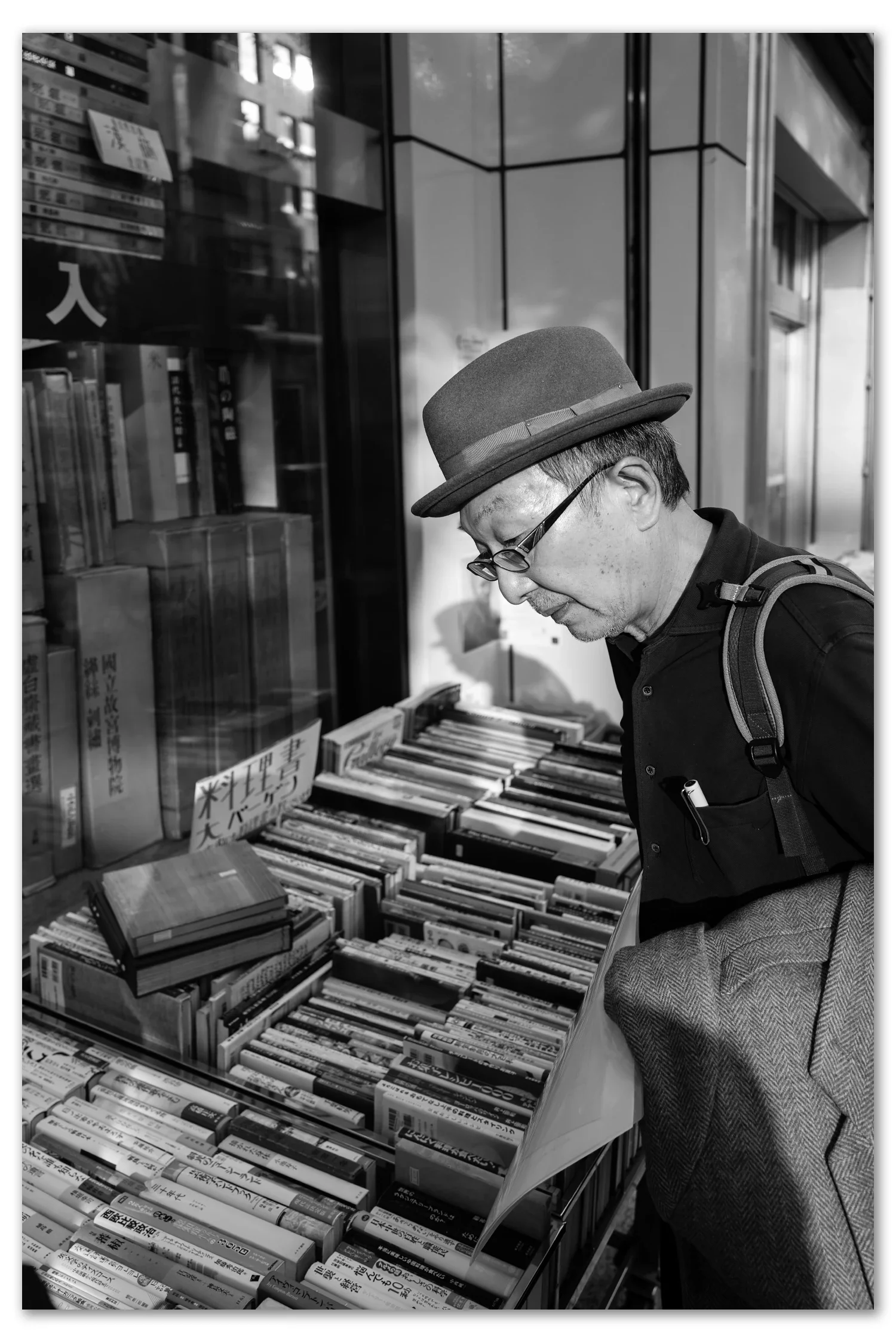
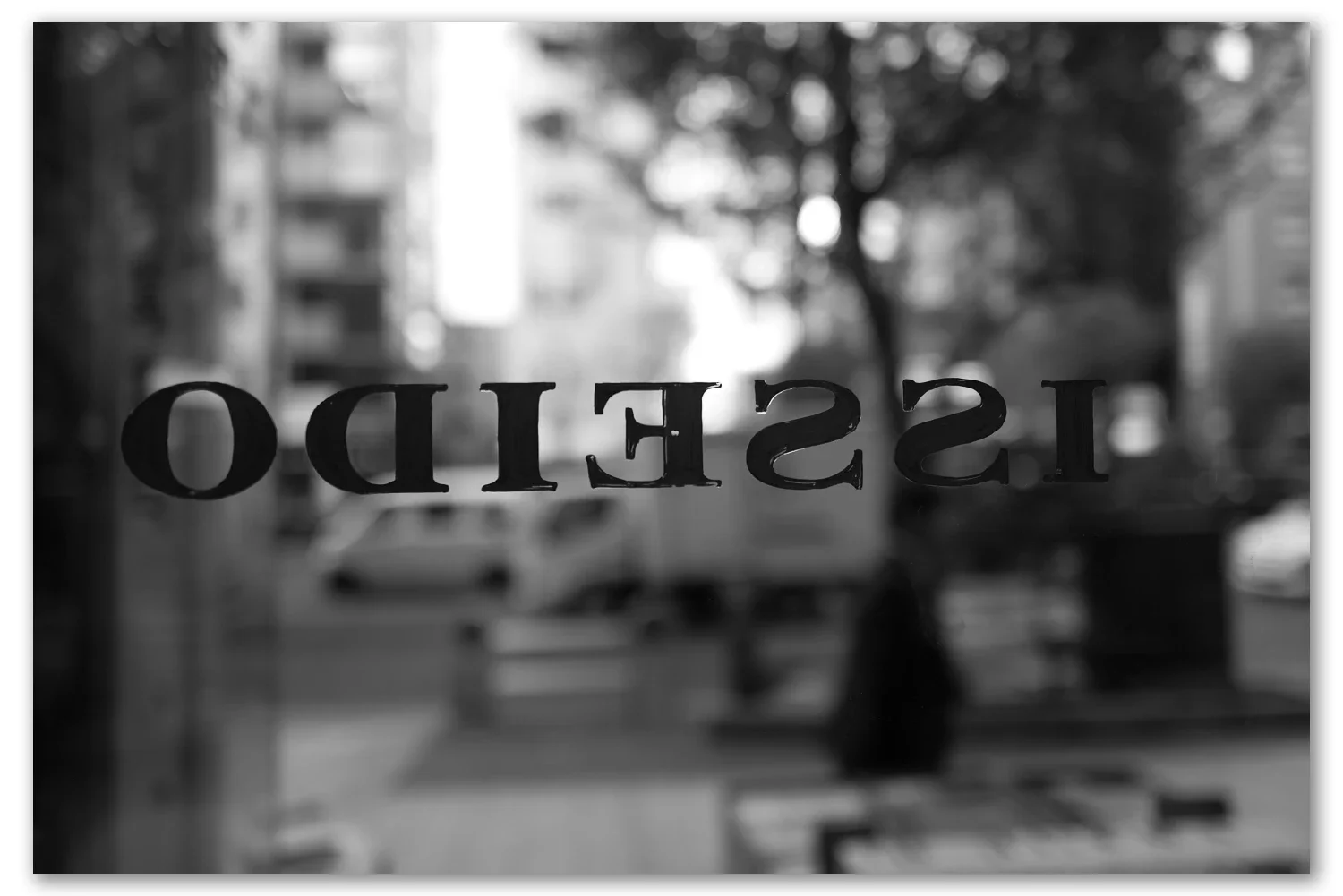
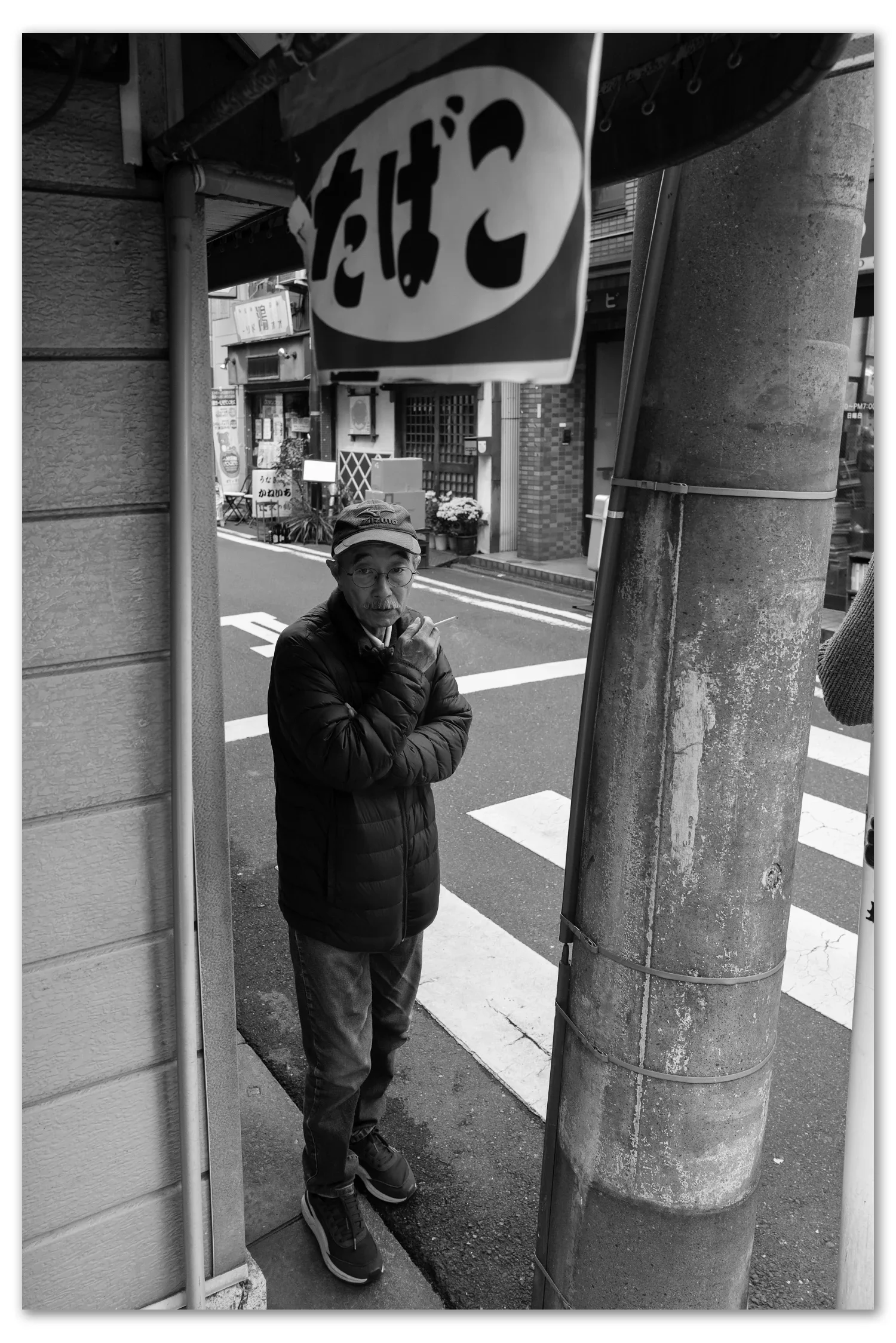

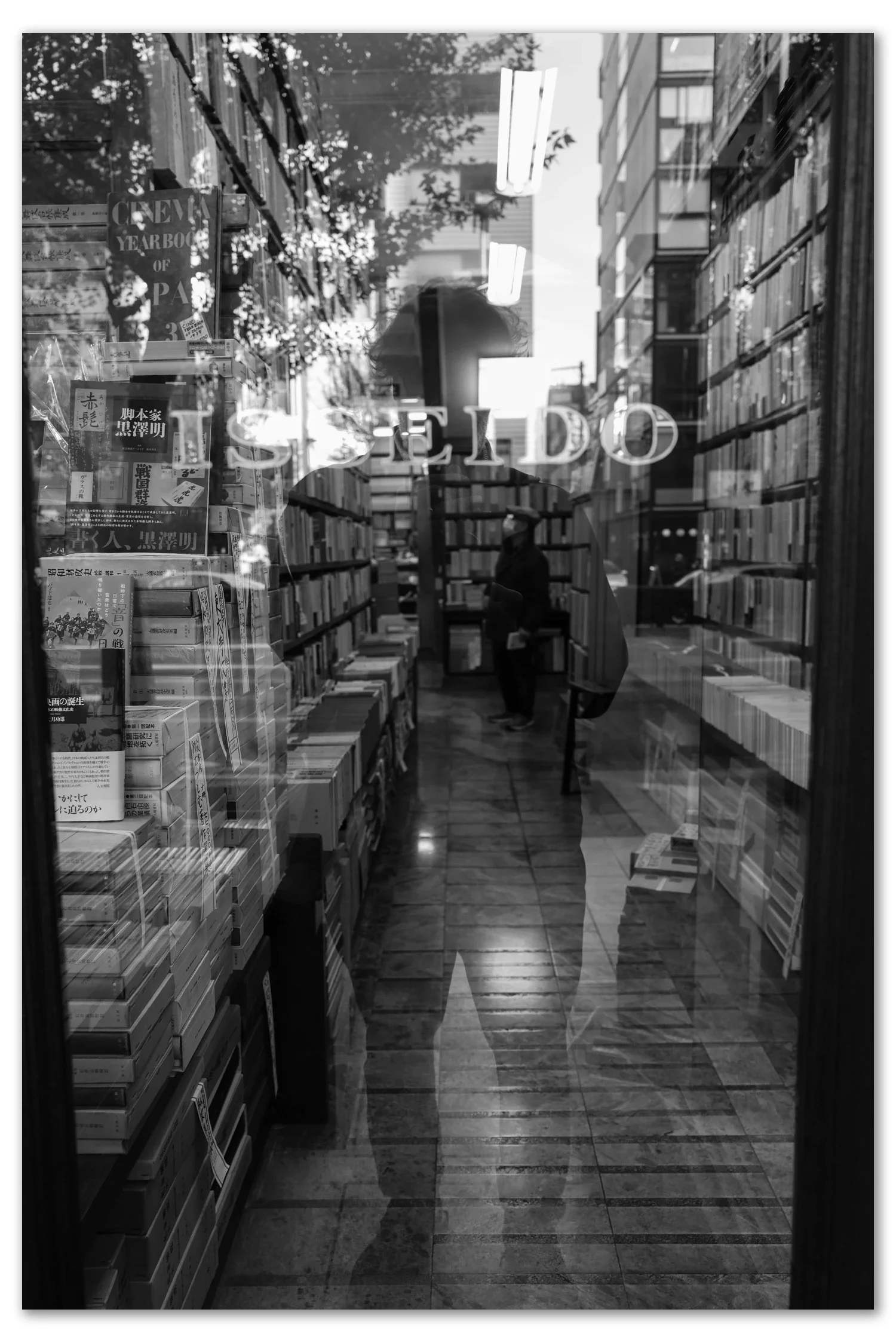
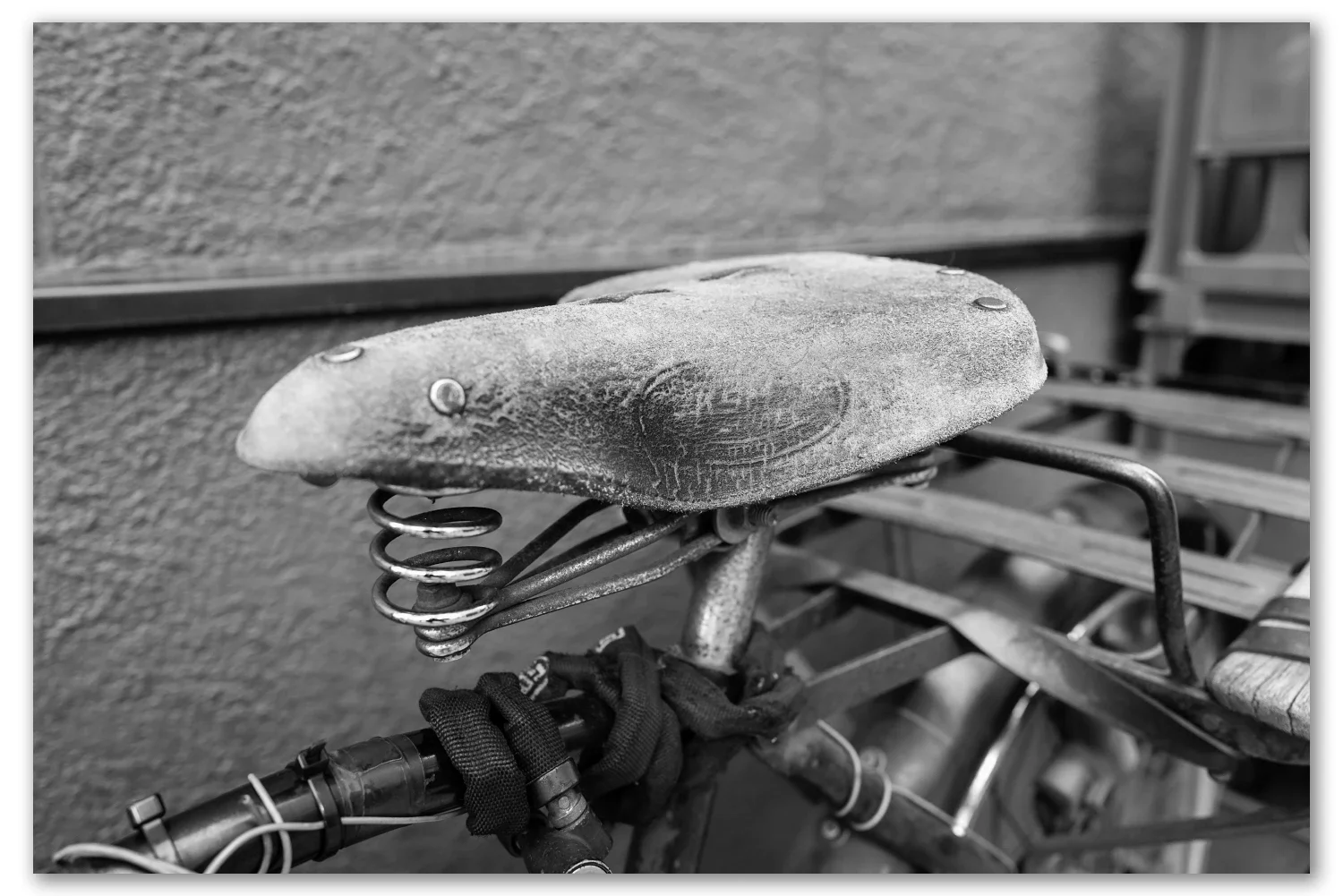
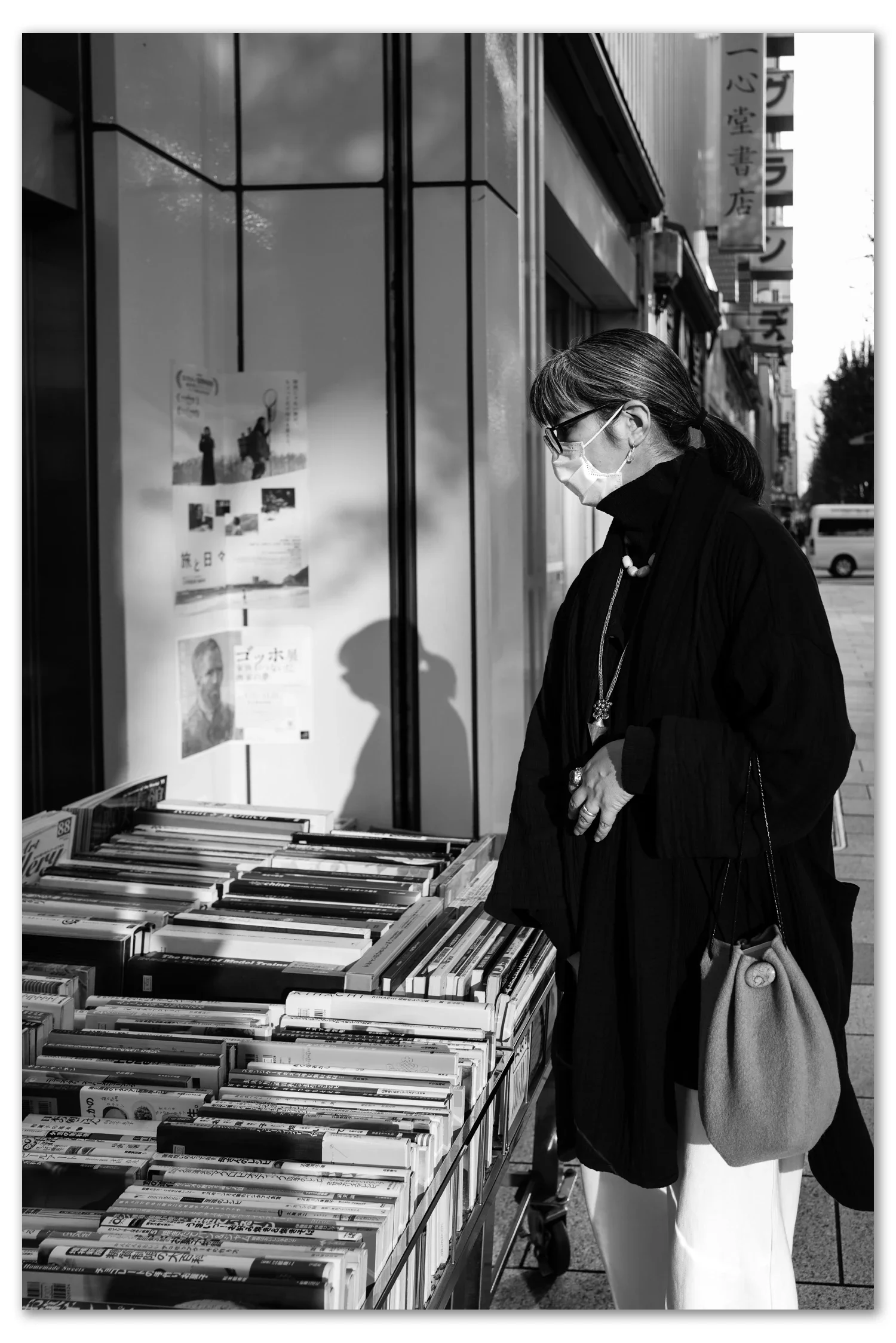
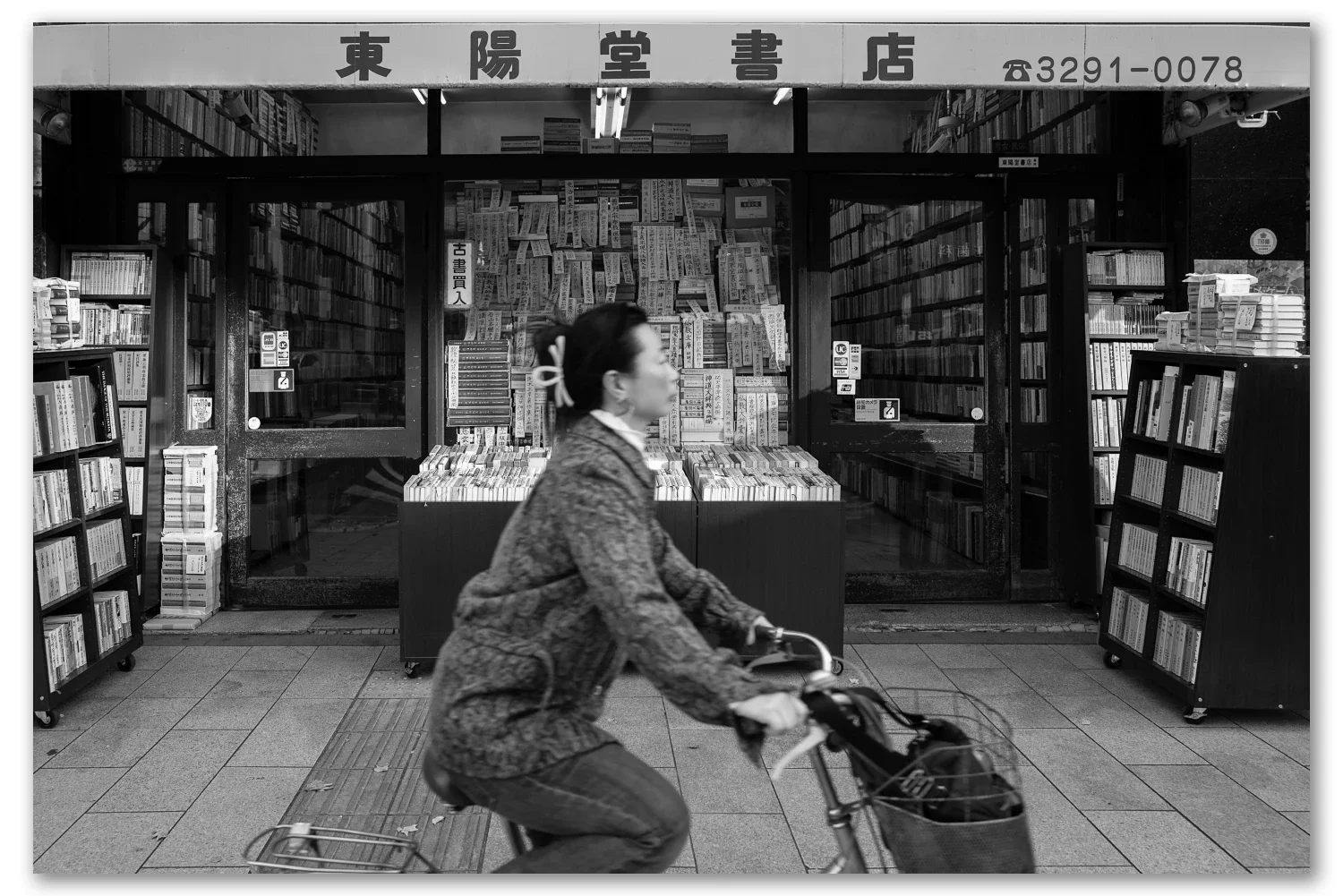
I highly recommend visiting Jimbocho while you are in Tokyo. It is a great area to spend the afternoon shopping and sipping coffee in one of the many cafes. Bring along a camera and 28mm lens, you won’t be disappointed.
As always, I would love to hear your story in the comments below. If you feel so inclined, share a coffee with me. I am a flat white kind of guy. Happy shooting, everyone.
To book a tour, visit my photo workshop/photo tour website, or email directly jeff@tokyoforgeries.com