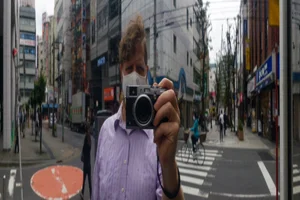
Street Photography: How to Capture People on the Streets
Photographing People is the Essence of Street Photography:
Street photography is a broad genre within the discipline. Essentially, it includes almost anything you can encounter outside your home. Similarly, it is challenging because there is an audience for nearly everything. What inspires and motivates me the most is photographing people on the street.
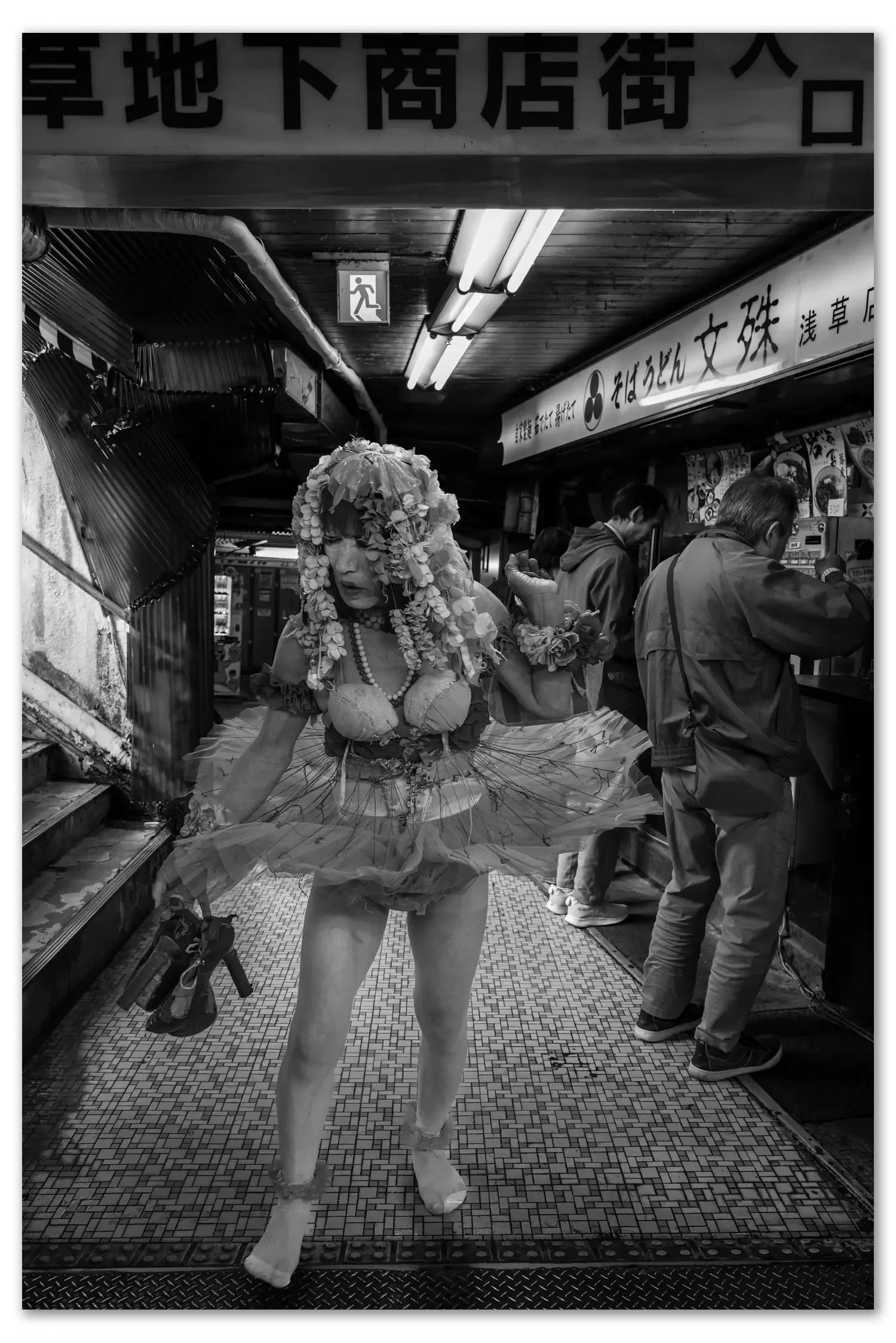
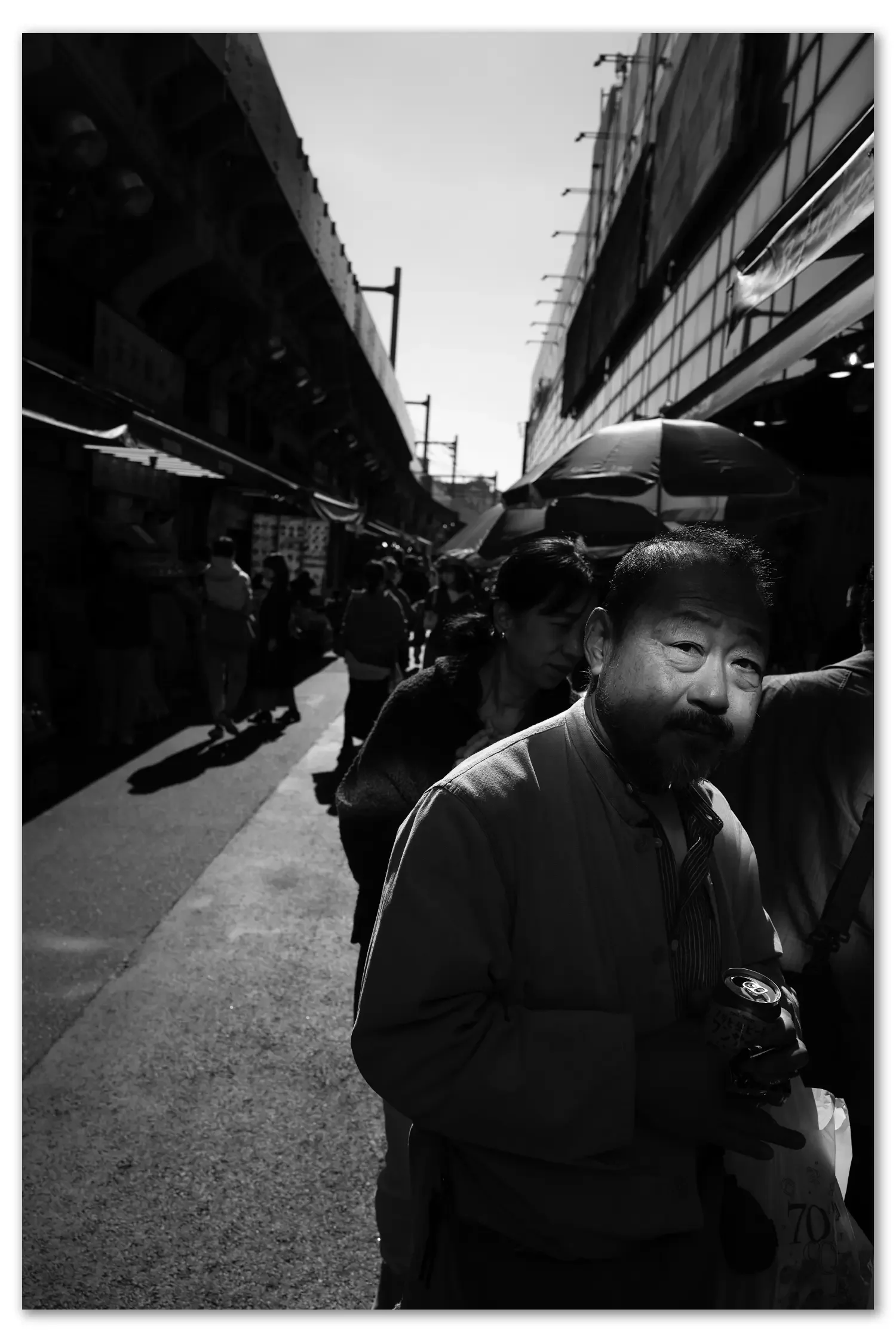
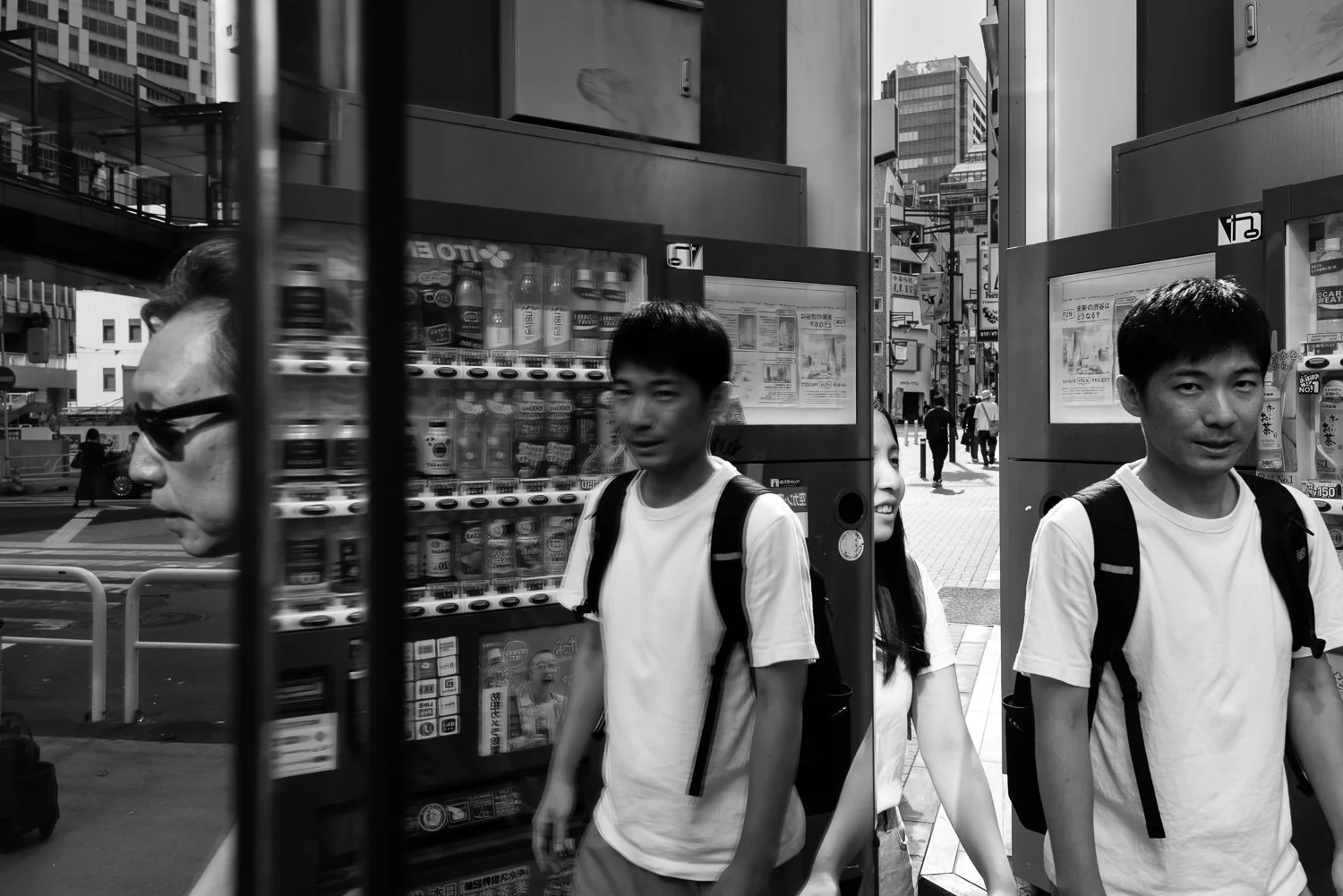
When I see a great street portrait, posed or candid, it often amazes me. Those images are so powerful that I can't help but spend several moments exploring every detail. Then, I often take a second look to ensure I haven't missed anything. In my own work, the deepest satisfaction comes from creating street portraits. It doesn’t matter whether the image is candid or captures a moment shared between two passing strangers.
Street photography fundamentally hinges on capturing people, revealing the very essence of candid moments in everyday life. These photographs embody raw emotions and fleeting interactions, reflecting the diverse tapestry of human existence within urban environments.
Each individual has a unique story, and by focusing on them, street photography elevates mere documentation into a compelling narrative that deeply connects viewers with the subjects. Every face tells a tale, and whether it’s a joyful smile, a contemplative gaze, or a brief gesture, these images infuse the street with depth and create an engaging visual dialogue that resonates profoundly with audiences.
While the surrounding environments certainly enrich these photographs, ultimately, the heart of street photography lies in the individuals brought to life within the frame. They are the catalyst for meaning and context, showcasing the intricate relationships they share with their surroundings. It is the spontaneity of these encounters that often yields striking compositions, resonating with viewers and reminding us of the shared human experience amid the energy of urban life. Every moment captured highlights the vibrancy of streets populated by unique characters and intricate narratives, reinforcing that the people themselves are the lifeblood of this art form.
Moreover, images of people in street photography effectively challenge viewers to confront their perspectives and self-awareness. They evoke empathy and provoke thought, drawing attention to the myriad of lives unfolding around us that often go unnoticed. Each photograph invites us to step into another's shoes, fostering connections that transcend cultural and social divides. Ultimately, the essence of street photography lies not only in the aesthetic allure of urban scenes but also in the powerful stories told through the faces of its people. This art form reminds us of the richness of life around us, urging us to appreciate the incredible narratives that unfold in the world beyond our own experiences.
Three Ways to Photograph People on The Street:
How art is made is entirely up to the artist. Though street photography seems to have many rules, I follow my heart as long as I have the wherewithal. I shoot people in three ways: from the hip, through the viewfinder and using the rear display. Sometimes I camp in a spot, and sometimes I keep walking all day. Most days, I do a little of both. The etiquette of your creative pursuits is up to you.
Shooting From The Hip: This is easiest for me to do and works well in the crowded streets of Tokyo. I shoot from the hip in two different ways. Using the advanced autofocus features on my camera, I set the shutter speed to 1/500 and the aperture to f8 (though with autofocus engaged, I will use f2 or f1.4 to create separation), then walk along shooting. I don’t usually have the LCD open; sometimes, yes, but I prefer to look at what is being shot.
Viewfinder Portrait: Like a classic portrait, I will shoot with a 50/85/135 mm lens, looking directly through the viewfinder and framing up a subject. With this style, I will most often shoot at f2, which provides more than enough separation and the best qualities of the f1.4 lens. I prefer candids from this approach, but have no problem with direct eye contact. Nothing like a big smile and a nod peeking out from behind a camera body. I use a Nikon Z9 in these situations, together with a 135mm f 1.8; this combination covers my entire head. It's essential to look out from behind and say thank you. (I do shoot this way with my Leica gear as well; it just tends to be the Z9.)
LCD Portrait: I use this option in locations that don’t change much from year to year. People come from this direction and walk in that direction. Examples are a train platform or an escalator. I will camp on the location for a couple of minutes, waiting for a compelling subject. I feel creepy watching the world go by through the viewfinder or pretending to do something else while shooting from the hip. I often zone focus and know precisely how I want my frame filled. This leaves me free to watch for a subject with character, colour or some great fashion and capture them. It also allows me to show my face, to smile, nod, or otherwise convey my good intentions.
It is important to note that both autofocus and zone focusing techniques are used in each situation. I shoot in the way I believe will consistently produce the image I want. I do love a good manual lens, but more importantly, I am not afraid to use all my experience and abilities in my shot.
Philosophy Overcomes Fear of Capturing Images of People on the Street:
Taking the photograph of a stranger can be overwhelming. Any reaction can happen. We all fear talking to strangers, and making a good first impression with someone new is not a skill we all have. Many work hard to develop the intrapersonal skills necessary to say, Hello, my name is. Adding a camera to the equation, adding the fact that a picture has already been taken before the first words are spoken, is terrifying.
Developing a personal philosophy that guides how you create art will significantly help in overcoming the fear associated with the process. The example I share here reflects my own philosophy; in making art, my actions may be spontaneous, random, or even accidental, but my intentions remain always honourable.
I know they are honourable because I have taken considerable time to consider what I am trying to accomplish with art. There is a beauty in the everyday world that I don't see reflected in myself. I want to experience that beauty by capturing it and sharing that frozen moment with everyone. This concept gives me the courage to point my camera where I need to in order to take the picture I see.
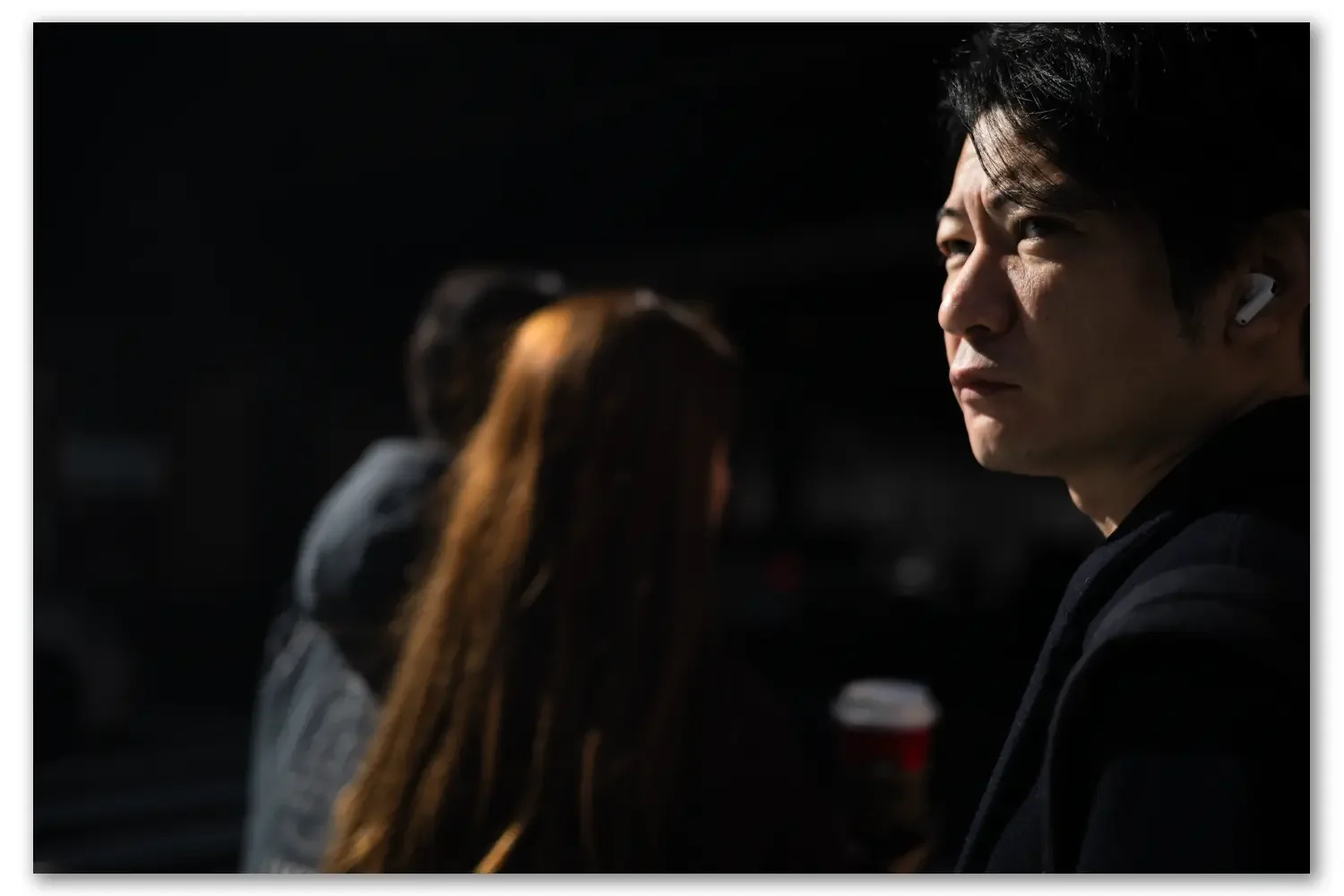
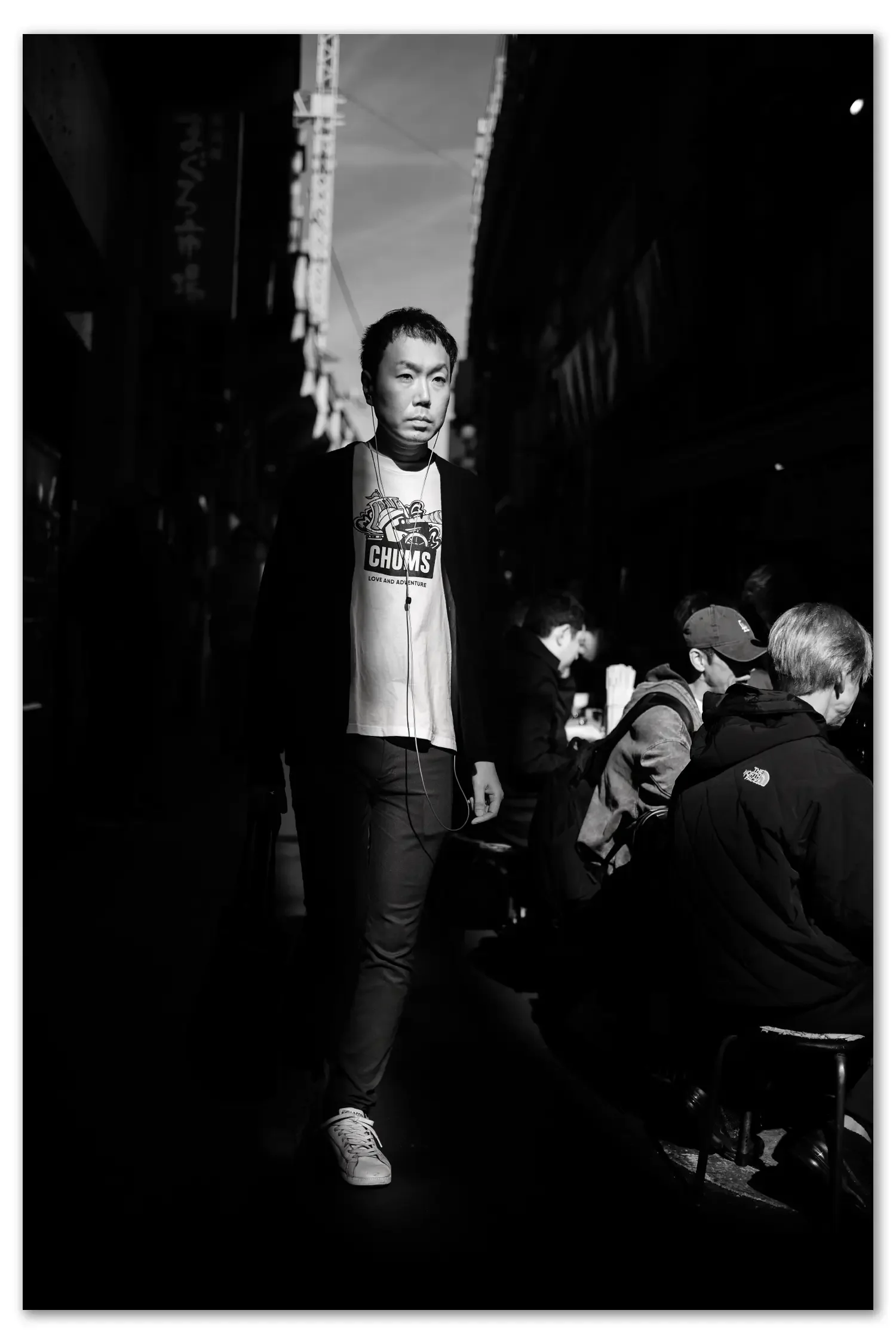
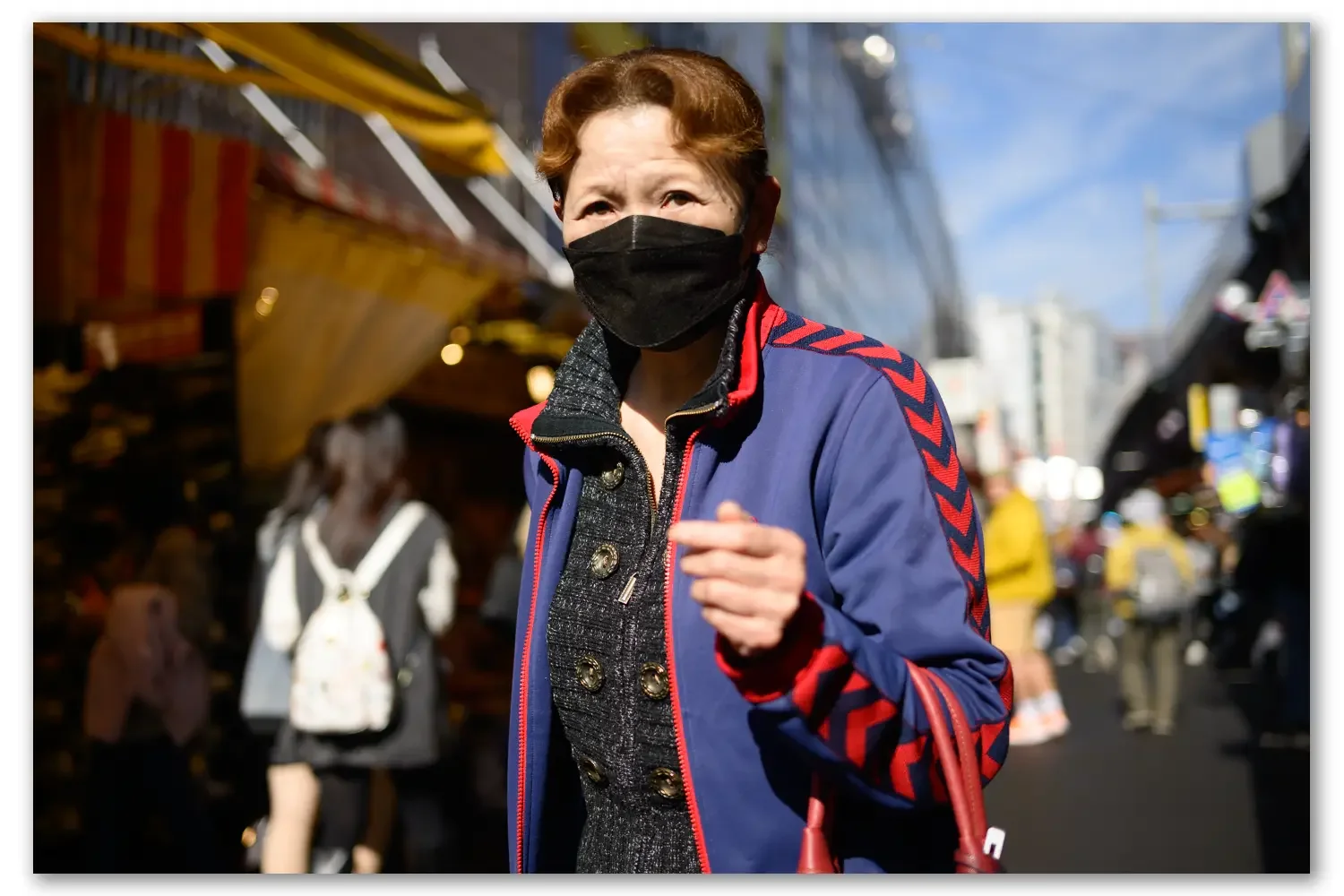



As always, I would love to hear your story in the comments below. If you feel so inclined, share a coffee with me. I am a flat white kind of guy. Happy shooting, everyone.
To book a tour, visit my photo workshop/photo tour website, or email directly jeff@tokyoforgeries.com