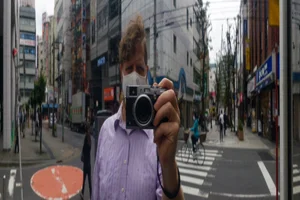
40 mm lens Street Photography in Tokyo’s Kanda
40 mm Lens Street Photography:
The 40mm lens is highly regarded in street photography, occupying a niche between the standard 35mm and 50mm focal lengths. Known for its versatility and natural perspective, it offers a field of view similar to the human eye, making it perfect for candid shots that stay true to reality. Its discreet size helps photographers remain unobtrusive, preserving the authenticity and spontaneity of street scenes.
Historically, the 40mm became notable in the 1970s and 1980s, coinciding with the rise of compact rangefinder and SLR cameras. For example, the Leica Summicron-C 40mm f/2, originally paired with the Leica CL, is revered for its compact size and sharp rendering. Similarly, the Rollei 40mm f/2.8 Sonnar HFT, fixed on the Rollei 35 series, was favoured by many for travel and urban exploration, offering superb image quality in a portable form factor.
Another famed option is the Voigtländer 40mm f/1.4 Nokton, which quickly gained cult status among enthusiasts for its classic rendering and luminous aperture. In the digital era, lenses like the Panasonic Lumix 20mm f/1.7 (equivalent to 40mm on Micro Four Thirds) carried the torch, enabling a new generation of photographers to embrace this flexible angle of view. Their enduring popularity underscores the ongoing relevance of the 40mm focal length for those who wish to balance context, intimacy, and composition.
In summary, the 40mm lens strikes a balance by providing immersive storytelling without being intrusive. Although it is less common than other focal lengths, its influence is clear in the work of many photographers who prioritize authenticity and versatility in street photography.
Where and What of Kanda District in Tokyo:
Kanda, an area north of Tokyo Station, boasts a rich and varied history dating back to the Edo period (1603–1868). Once home to samurai residences and bustling merchant houses, Kanda developed as a strategic neighbourhood, linking the new seat of power at Edo (modern Tokyo) to the outer provinces. Its proximity to academic institutions, including the historic Tokyo University and the legendary Kanda Myojin Shrine, made it not just a political but also a cultural and spiritual hub. Kanda’s neighbourhoods have preserved their traditions of scholarship, commerce, and lively community festivals, most notably the Kanda Matsuri, one of Tokyo’s three major Shinto festivals.
After the devastation of World War II, Kanda’s quick rebuilding and its role as a center for books, electronics, and student life helped shape its distinctive urban landscape. Iconic streets such as Jimbocho—known for its myriad of secondhand bookstores—are testaments to the area’s enduring literary spirit. The juxtaposition of retro shopfronts, tiny bars, and bustling markets with sleek office buildings epitomizes the urban layering unique to Tokyo neighbourhoods with deep historical roots.
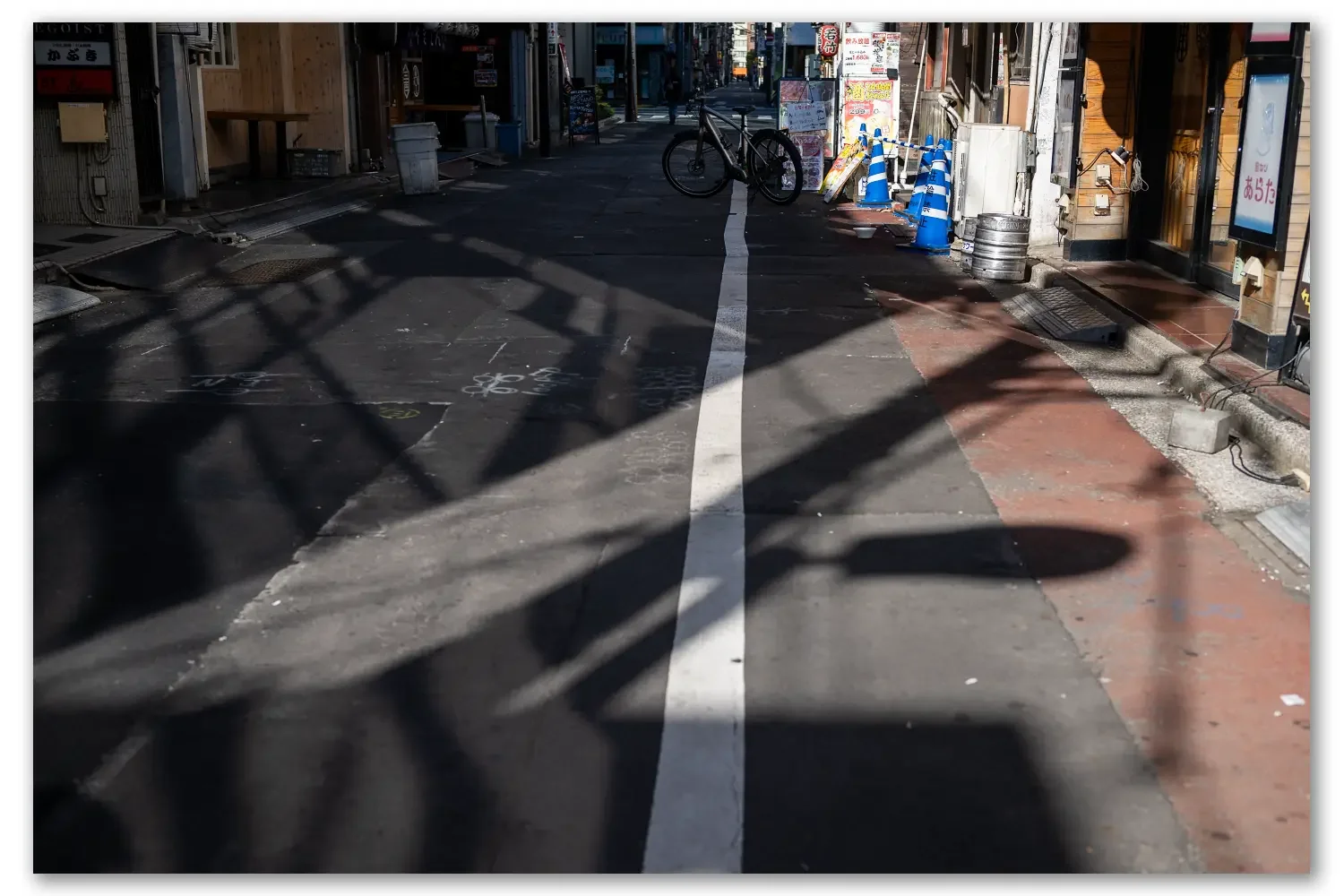
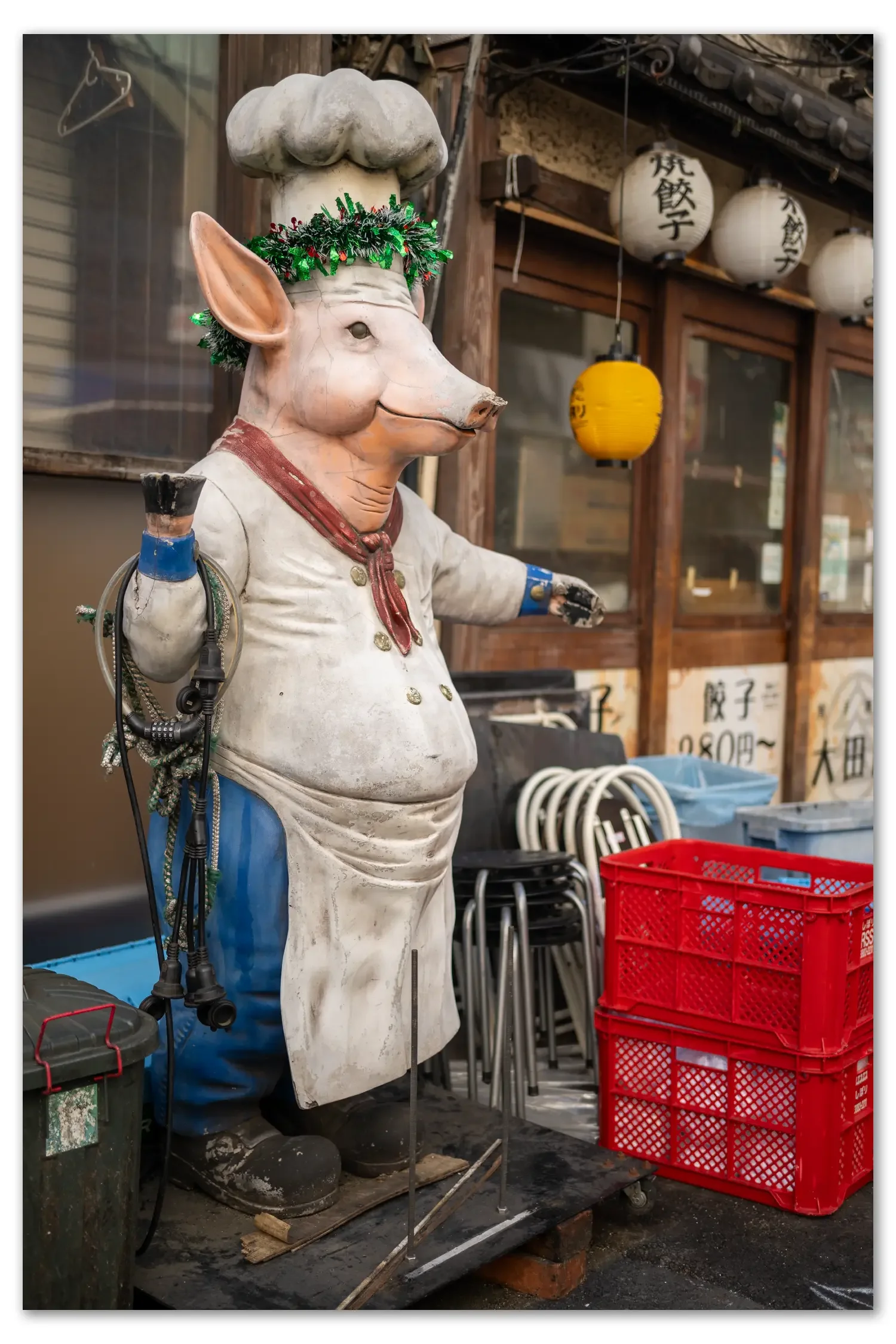
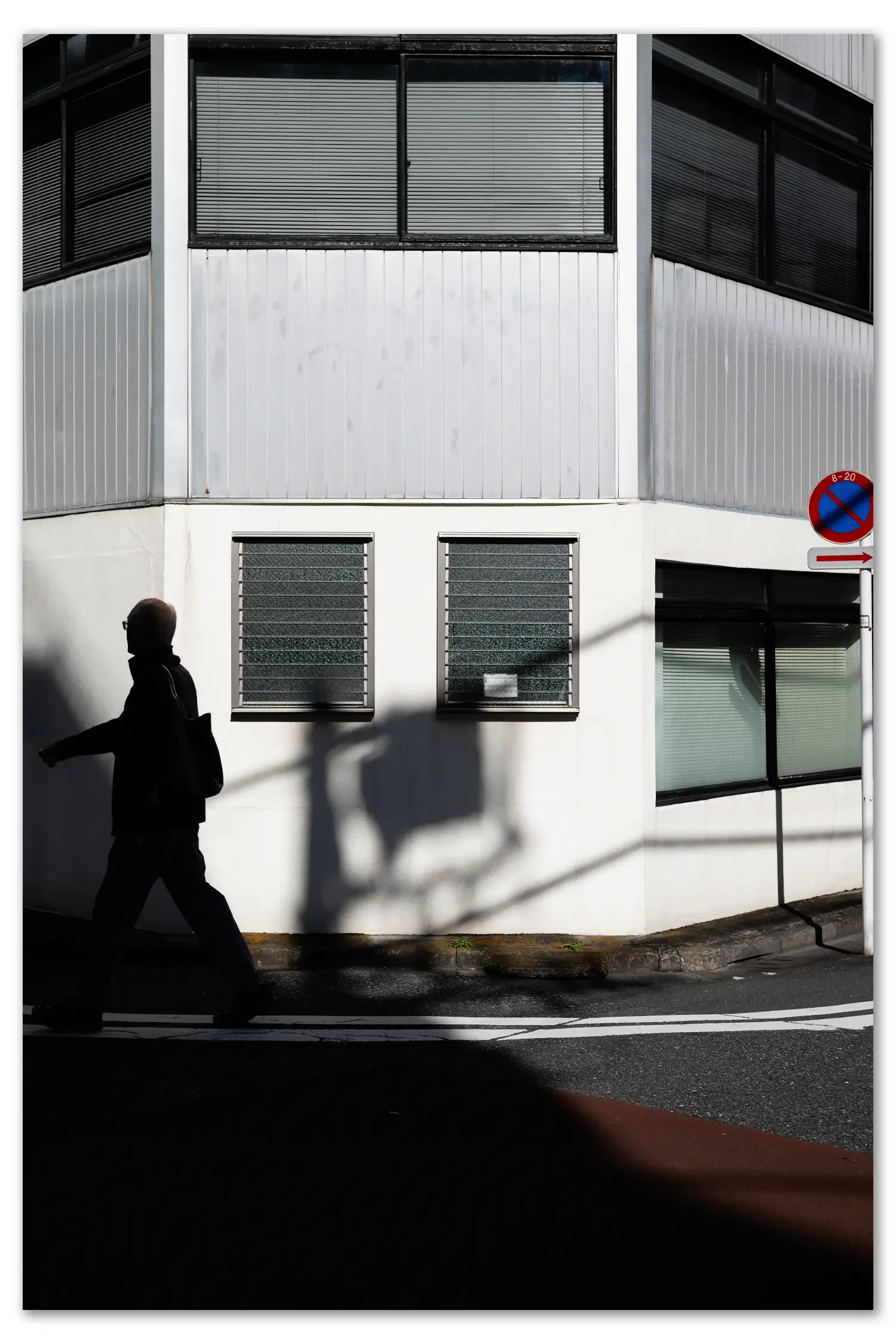
This historical context has had a lasting impact on the visual appeal of Kanda for street photographers today. The preserved architecture—ranging from Edo-period structures to Showa-era storefronts and post-war alleyways—offers a textured backdrop for capturing Tokyo’s diverse city life. The sweep of overhead wires, neon, timeworn signage, and the vibrant activity of bookstores and izakayas all contribute to a dynamic visual palette, making Kanda both intimate and endlessly photogenic.
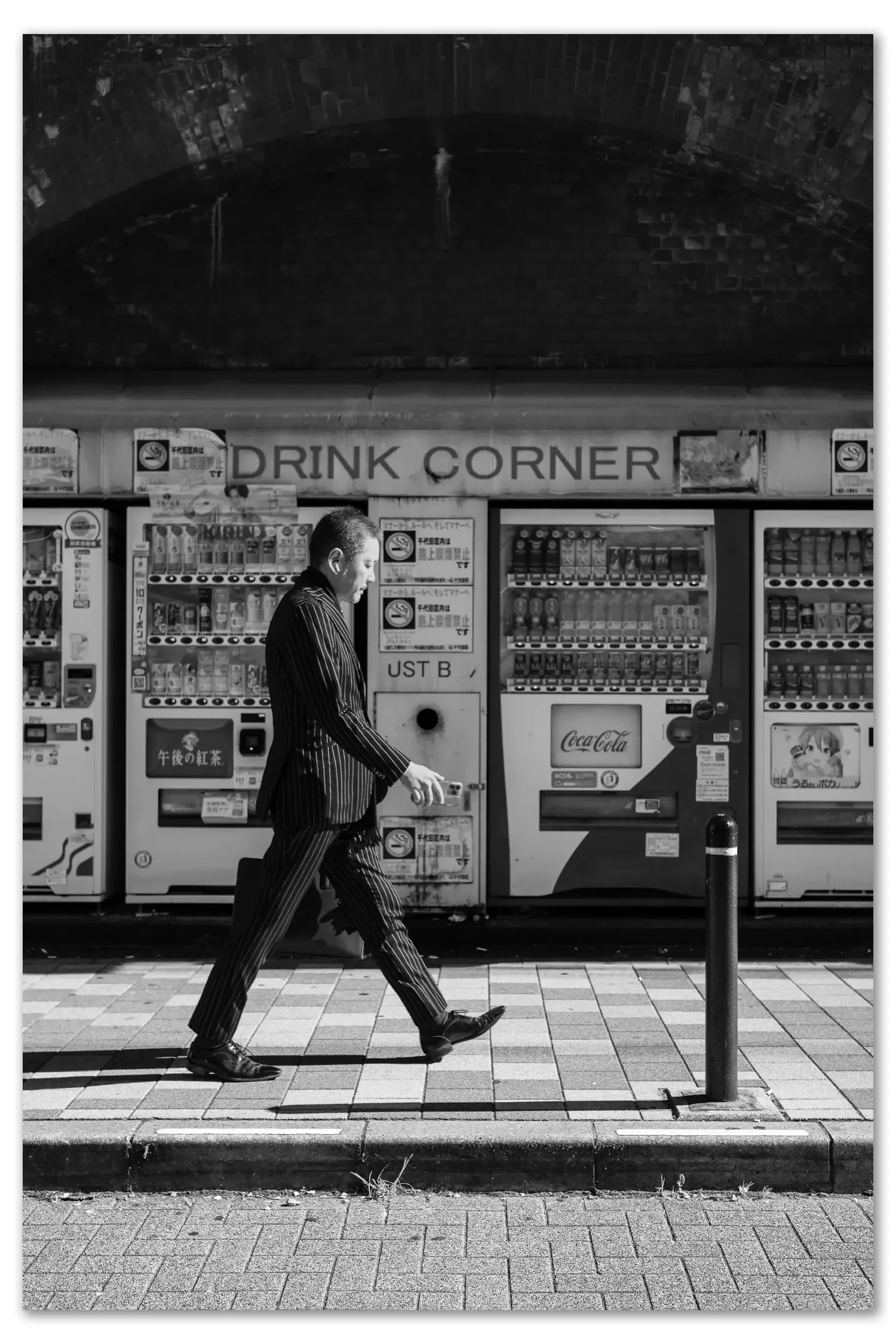
For modern street photography, Kanda’s lived-in authenticity stands out. Its intertwining culture of students, workers, shopkeepers, and artists animates the streets, creating fleeting moments and vivid vignettes. Photographers are drawn not just to Kanda’s architectural contrasts but also to its rhythm—a blend of the old and new that continues to shape the area’s unique sense of place in the heart of Tokyo.
How and Why Shoot 40 mm Street Photography in Kanda:
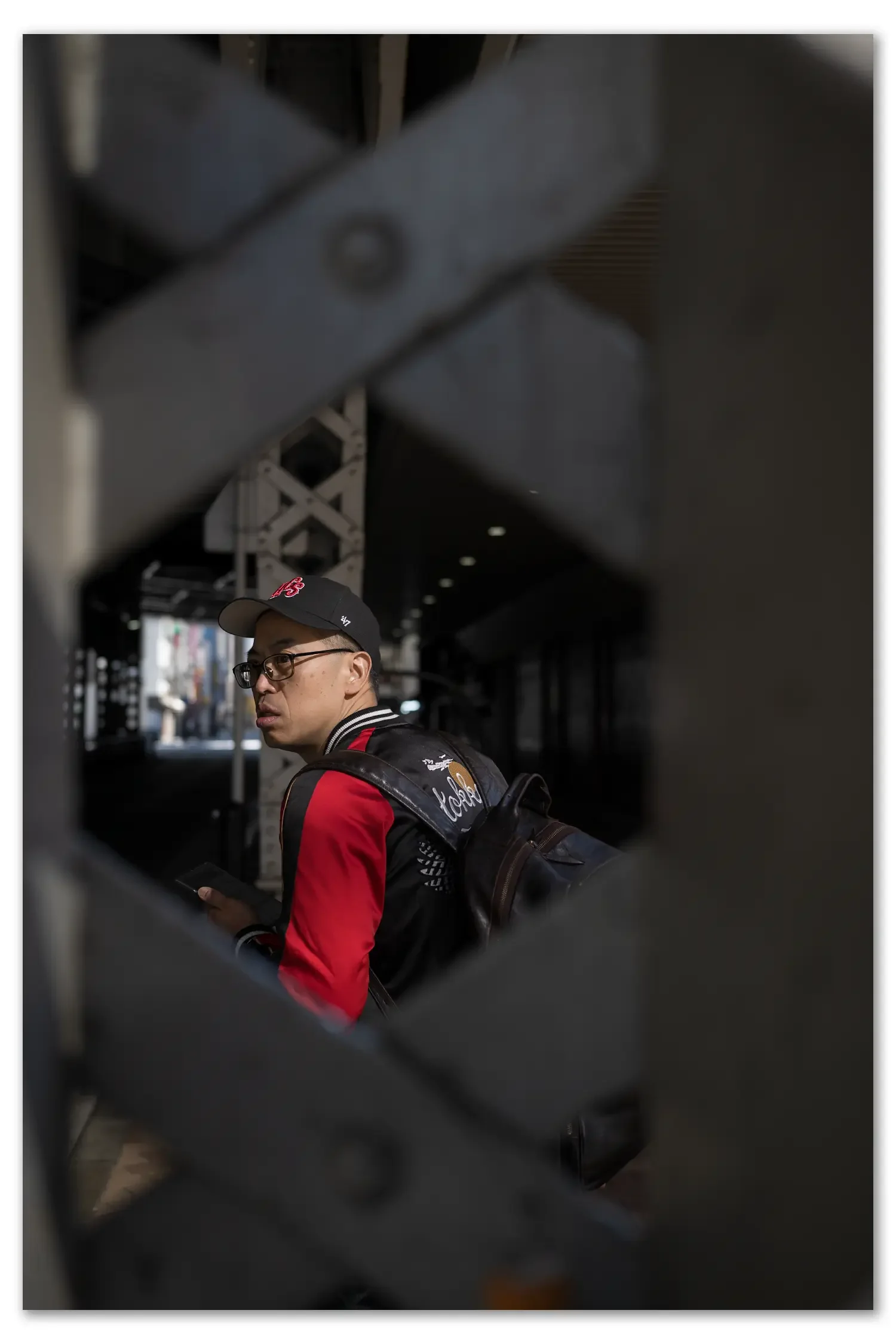
As stated above, Kanda is clearly a visual feast for street photographers. How, and more importantly, why would you choose to shoot it with a 40mm lens? The simple answer is that Kanda has an intimacy that requires context.
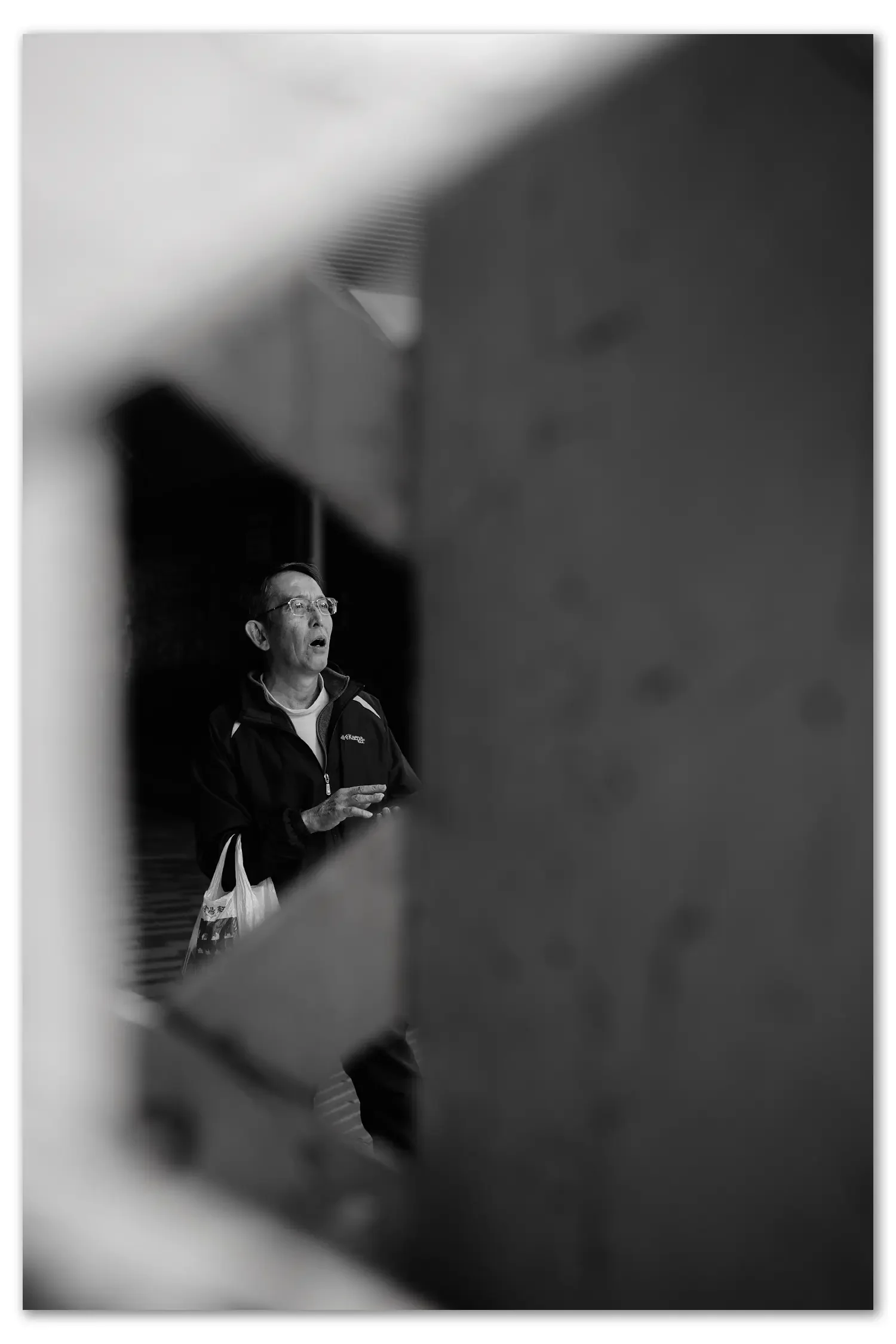
The 50 and 35 mm focal lengths would also make strong choices; 40 mm splits the difference. It is just wide enough to showcase the area's context while still allowing the intimacy to shine through. This are is not full of tourists, but a hub for the working-class salaryman. Yet to be gentrified by the economy of tourism.
The importance of recording places like Kanda is paramount to street photography, as fewer and fewer of these locations exist as they once did. The 40 mm focal length will provide an ideal balance, avoiding the exploitation of the area's visual richness by social media trends. Kanda requires documentation, and the 40 mm lens is the right tool for the job.

As always, I would love to hear your story in the comments below. If you feel so inclined, share a coffee with me. I am a flat white kind of guy. Happy shooting, everyone.
To book a tour, visit my photo workshop/photo tour website, or email directly jeff@tokyoforgeries.com