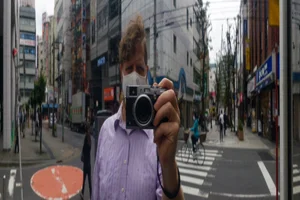
Explore the Best Locations for Tokyo Street Portraits
Tokyo is a masterclass in street photography—arguably one of the best cities in the world for capturing life in flux. Lately, I’ve been leaning into street portraits in Japan, a genre that is still relatively new to me. It’s a discipline that aggressively challenges my weaknesses, offering a human experience that is often more rewarding than the final frame itself.
The magic of a street portrait lies in the interaction. When done right, both parties leave the encounter with a genuine sense of connection. Seeing the inherent beauty in a stranger and capturing it for them feels extraordinary. Bridging language and cultural barriers in Tokyo through a lens makes the process even more rewarding.
This is precisely why Tokyo is the perfect canvas for this work. The frenetic energy documented by travellers and influencers often masks a powerful undercurrent of "mob-mentality-politeness." Pulling an individual out of that collective flow to share a moment of honest experience is as good as it gets in candid street photography.
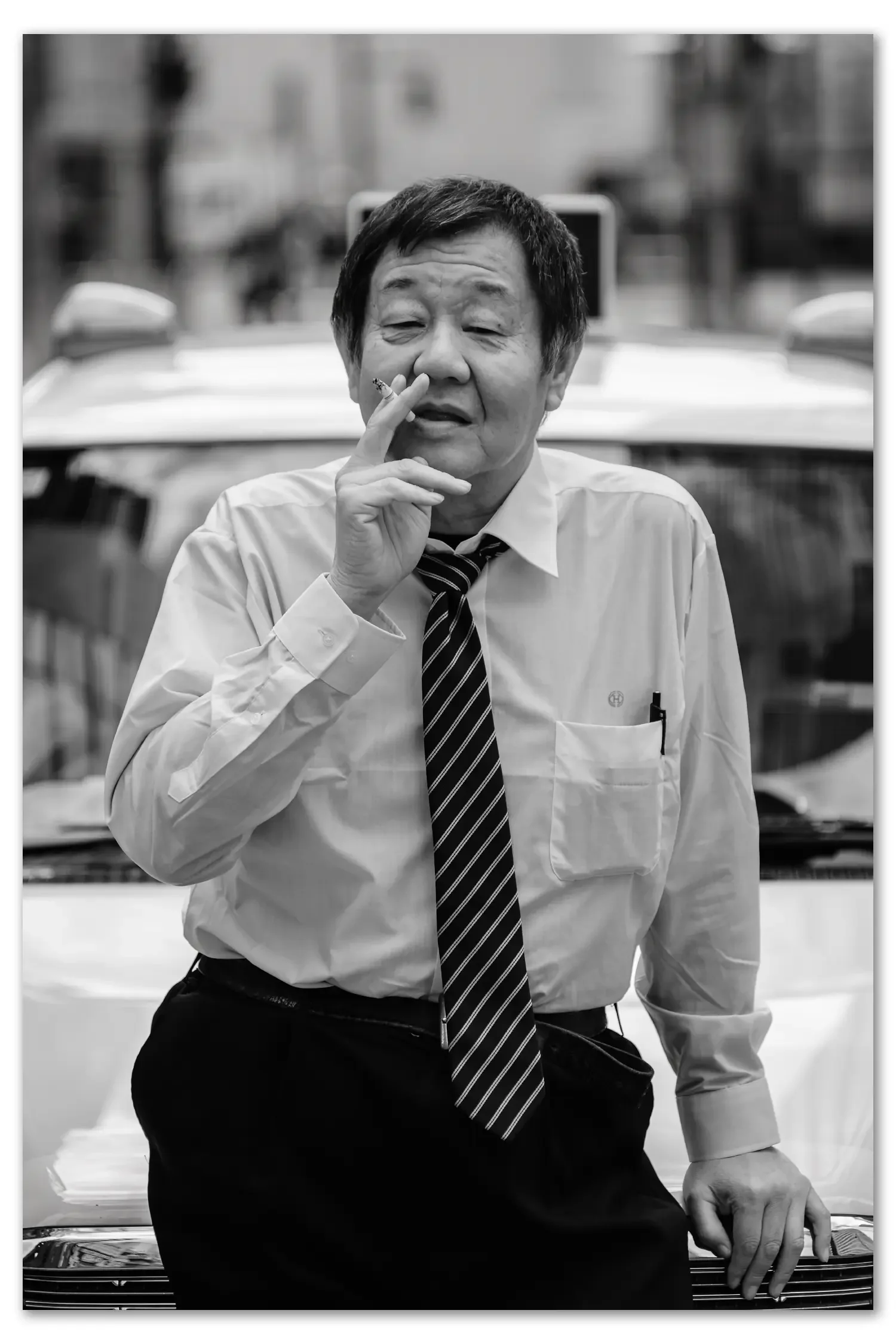
Tokyo Taxi Driver Street Portrait
The Best Locations for Street Portraits in Tokyo
While there is no "best" spot—every corner of this city offers a different slice of life—these are my favourite locations for finding subjects. In no particular order, here is where I find the most compelling Tokyo street photography subjects:
Shinagawa Station: The morning rush hour provides a sea of movement. Portraits from 10:00 AM.
Otsuka and Sugamo: These "Old Tokyo" neighbourhoods offer a slower pace and a glimpse into the city's nostalgic Shitamachi soul.
Yurakucho: Head under the train tracks around lunchtime for gritty textures and salaryman culture.
Ginza: Hit the backstreets on weekdays for high-fashion grit, or the main Chuo-dori avenue on weekends for the pedestrian paradise.
Shinbashi: The late afternoon and evening are prime times to capture the "after-work" atmosphere.
Ikebukuro: A dual-threat location; daytime for the shoppers and neon-soaked evenings for the locals.
Jinbocho: Best visited from late morning through the afternoon; the vintage bookshop backdrops are unmatched.
Any station with a reasonable flow of people offers ample opportunity. The real hurdle isn't where to go—it's how to approach strangers for photos in Japan.
The Glass: Embracing the Flaws
To capture these moments, I’ve moved away from the clinical perfection of modern optics, opting instead for vintage Nikkor glass. There is a tactile, heavy honesty to these old lenses. They aren’t "perfect" by contemporary standards—they flare when the Tokyo sun hits the glass at a certain angle, and they carry a softness wide-open that modern sensors tend to expose. But in those optical inconsistencies, I find a soul that matches the street. Using manual focus Nikkor lenses for portraits forces me to slow down, to actually look at my subject, and to work for the shot rather than letting an algorithm decide what’s important.
The lens's imperfections add a specific character to the image, drawing a direct parallel to the characters of Tokyo I’m seeking out. A salaryman’s weathered face or the tired smile of a taxi driver shouldn't be rendered with sterile, razor-sharp precision. They deserve the warmth and the grit that only vintage lenses for street photography can provide. Just as the people I photograph are shaped by their histories and the friction of the city, these lenses carry their own ghosts. Pairing the two creates a portrait that feels less like a digital file and more like a captured memory—slightly flawed, deeply textured, and entirely real.
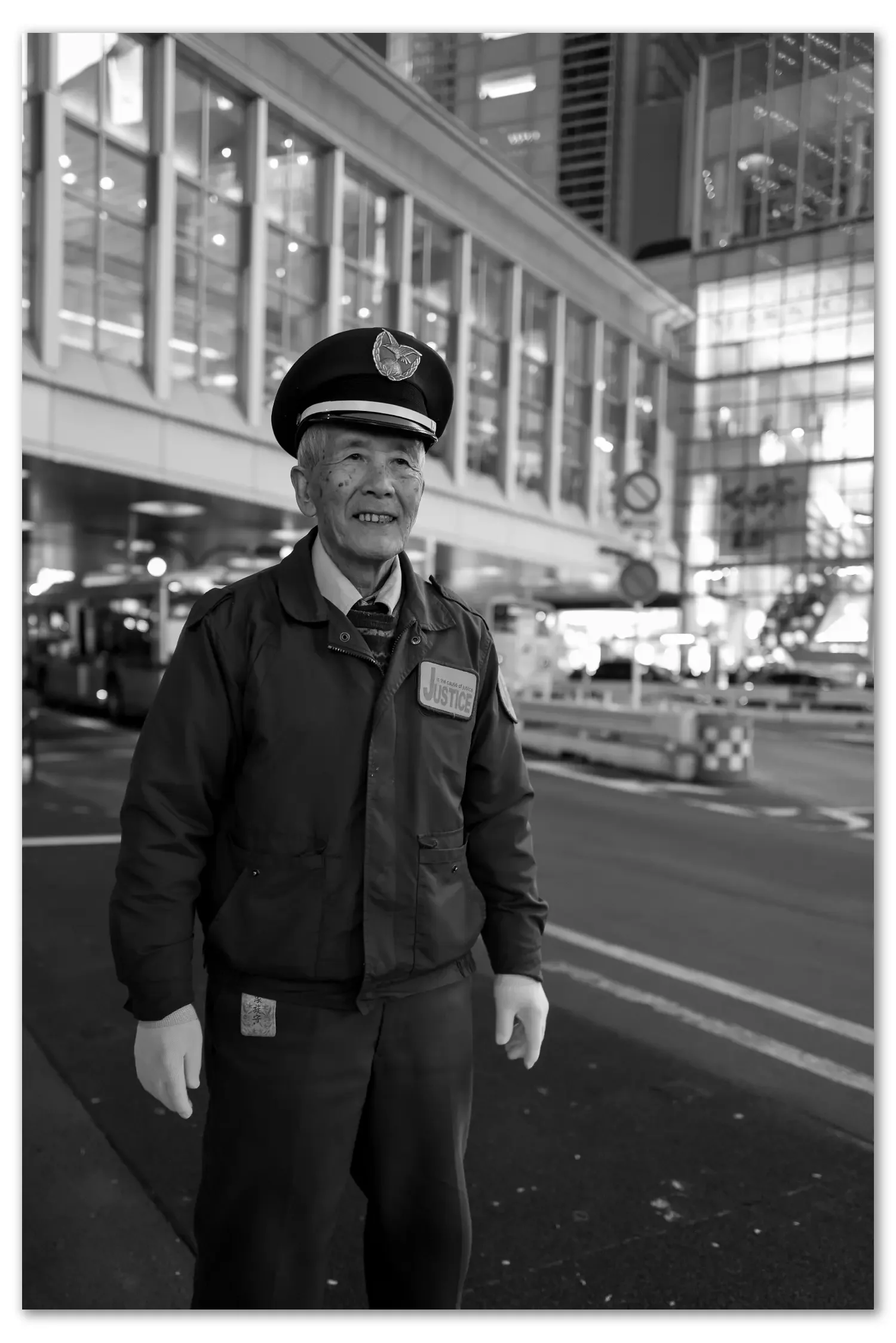
Shibuya Street Portrait Masterclass
How to Start Taking Street Portraits in Tokyo
I typically employ two strategies, often simultaneously.
The "Shoot First, Ask Later" Approach. I observe a subject for a moment, then begin shooting from a distance, moving closer while recomposing. The goal here is actually to "get made." When the subject notices me, I have one rule: be honest. I smile because I’m genuinely happy to be there, and I tell them exactly why I’m photographing them. Sometimes the interaction ends there, but more often than not, that’s where the real portrait begins.
The Observational Approach. The second technique is more analytical. I watch people who interest me and ask myself: What is their purpose in Tokyo today? What are the primary and secondary elements I want to capture? Just how approachable do they seem? Answering these questions in real-time is the difference between a mediocre snapshot and a great street portrait with a story.
Breaking the Language Barrier. In terms of language, don't overthink it. Words like beautiful, cool, perfect, and amazing are universal. Telling someone their style is "cool" or their smile is "perfect" transcends culture. While not everyone will agree to a second or third photo, nearly everyone responds positively to a genuine compliment.
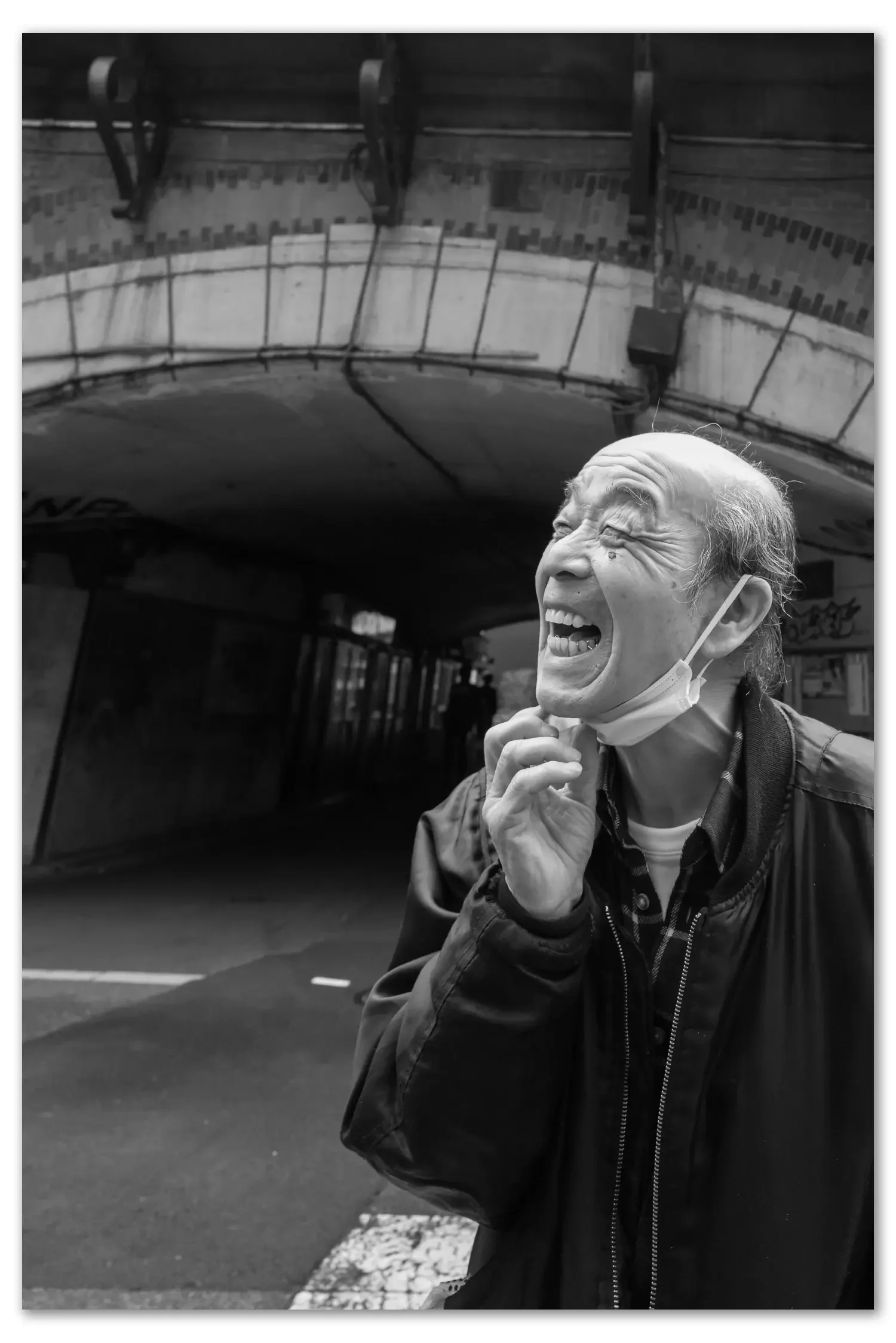
Shinbashi-Yurakucho street portrait masterclass
"The streets never look the same way twice. I’m curious—how does this side of Tokyo hit you? Drop a comment below.
I live on flat whites and shutter clicks. If you’ve found value in these shots, toss a coffee my way to keep the sensor humming.
For those who want to skip the tourist traps and shoot the real Tokyo, my calendar is open for workshops. Explore the tours here or email me at jeff@tokyoforgeries.com.
See you in the shadows."