The Tokyo Forgeries Blog
Scroll Search or Click

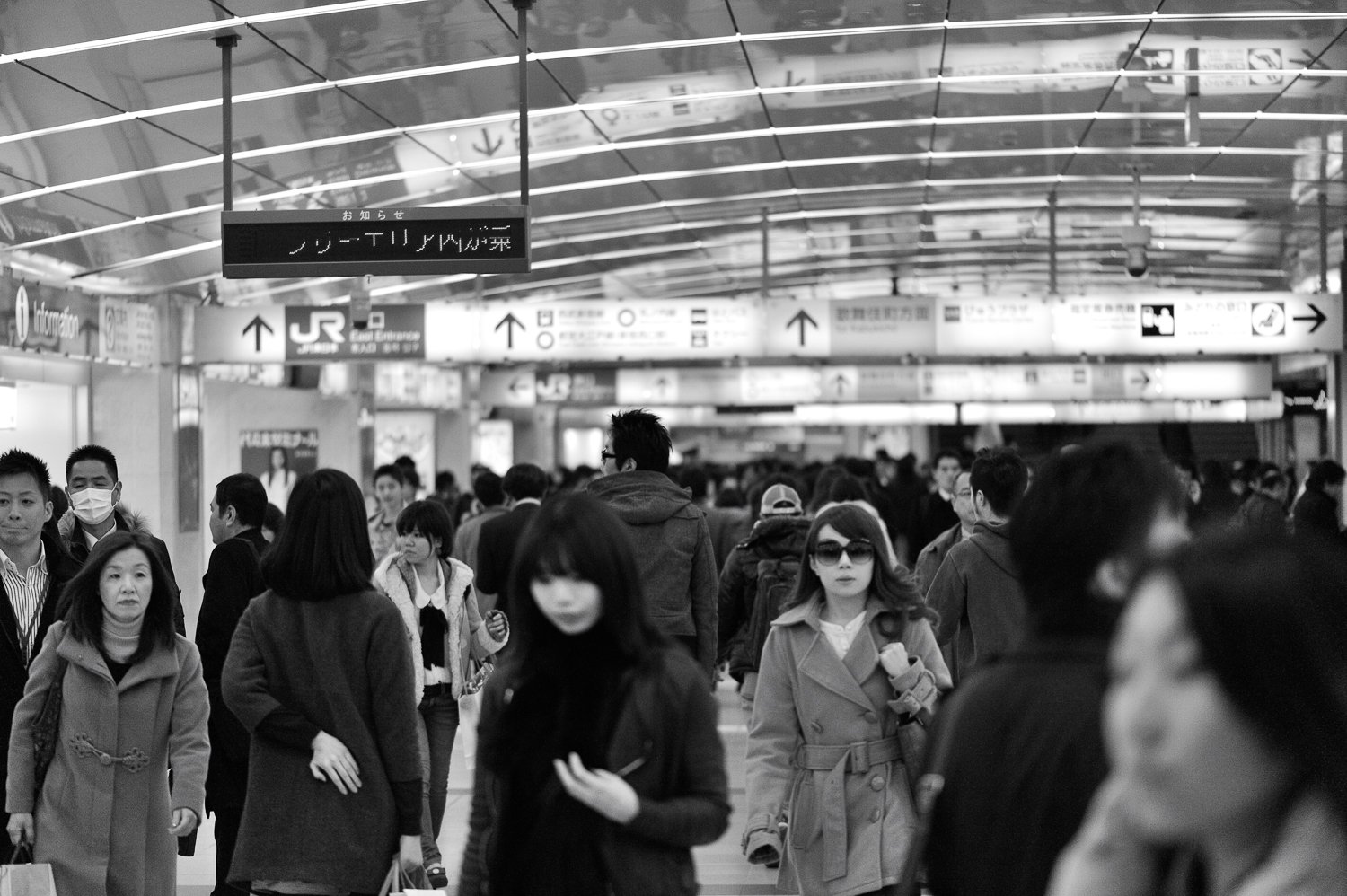
The Fallacy of Focal Length in Street Photography
The conversation frequently revolves around which lens is best suited for street photography. While focal length undeniably influences composition and perspective, overemphasizing it can lead us astray, creating a fallacy that can hinder our creative expression.

Why the 85mm Lens is the Best Street Photography Lens
In street photography, the 85mm lens is a popular choice for capturing compelling images.
35mm is the Best Lens for Street Photography
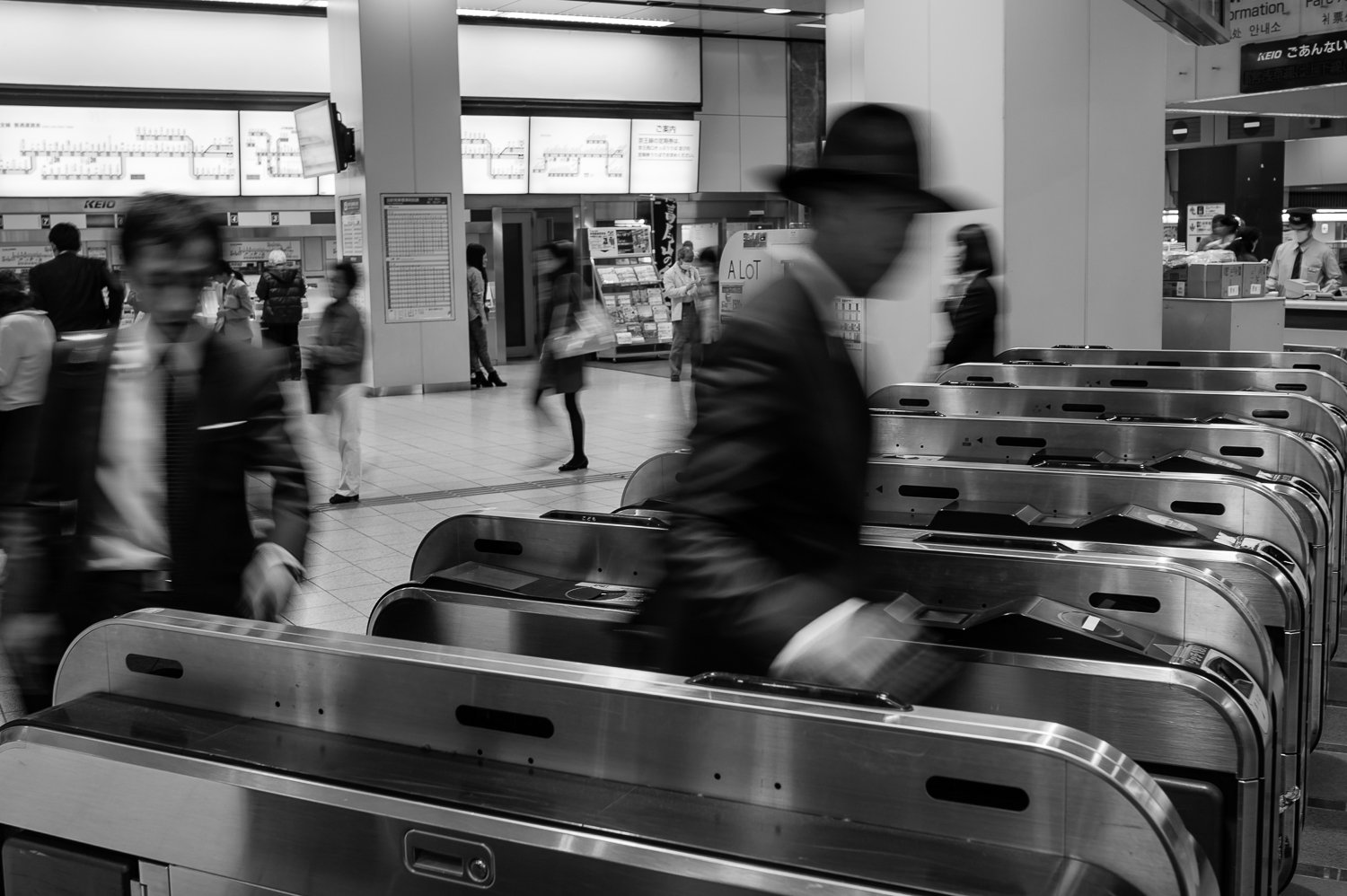
The 35mm lens suits diverse street photography, from lively scenes to intimate portraits. Its low-light performance allows shooting at dawn or dusk, while its compact size helps photographers stay unobtrusive. This makes it an ideal tool for capturing authentic, compelling stories.

Tokyo Is The Premier Street Photography City
Tokyo, Japan’s vibrant capital, blends tradition and modernity. Neon skyscrapers, tranquil temples, and dynamic street fashion make it a top street photography destination for all skill levels.
Excessive Cropping Can Mislead Viewers of Street Scenes.
I
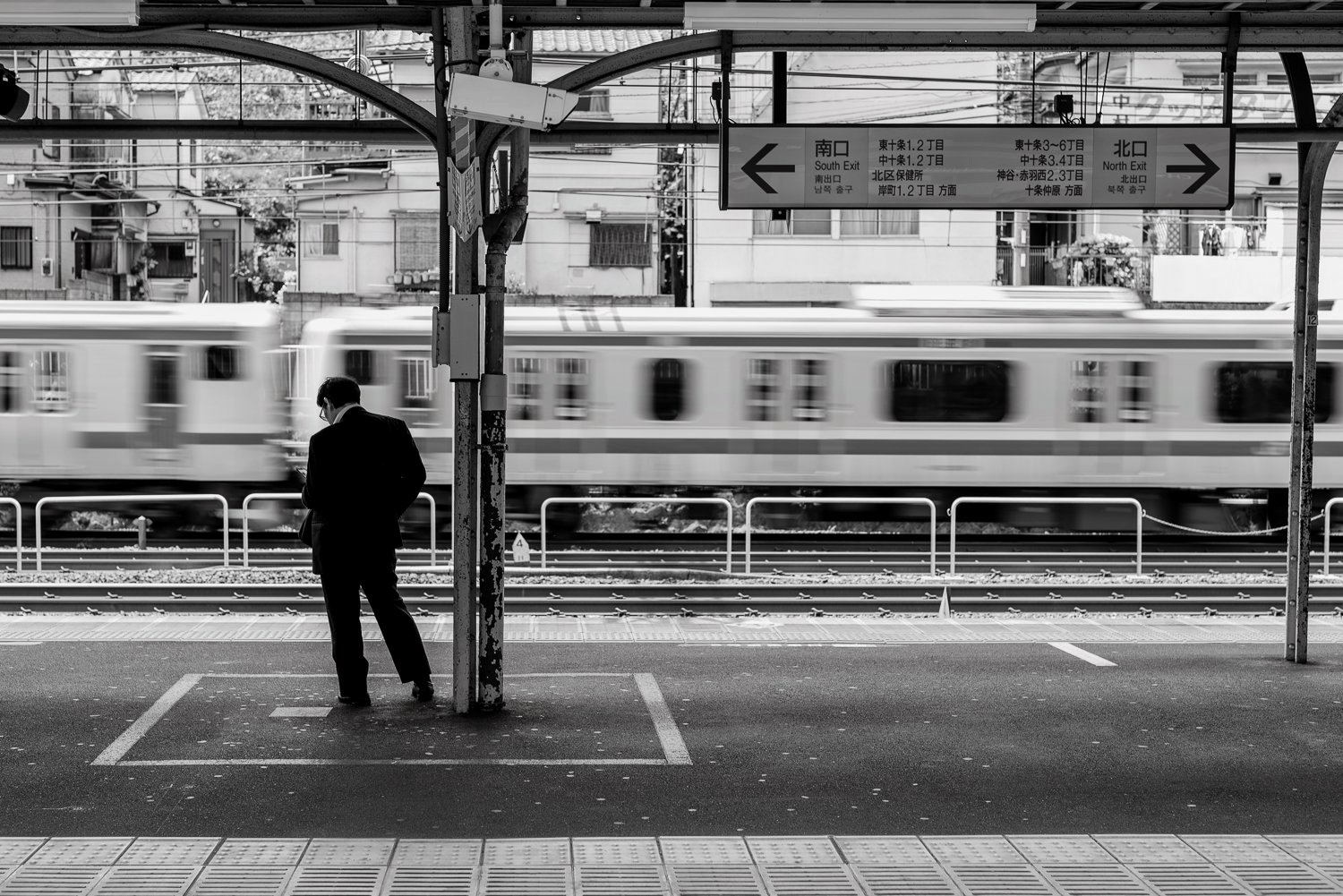
In the instant photography and social media era, capturing street scenes is easier than ever. But excessive cropping, while sometimes enhancing composition, often removes essential context and misrepresents the photo’s story.
Ultimate Zoom Lens for The Best Street Photography
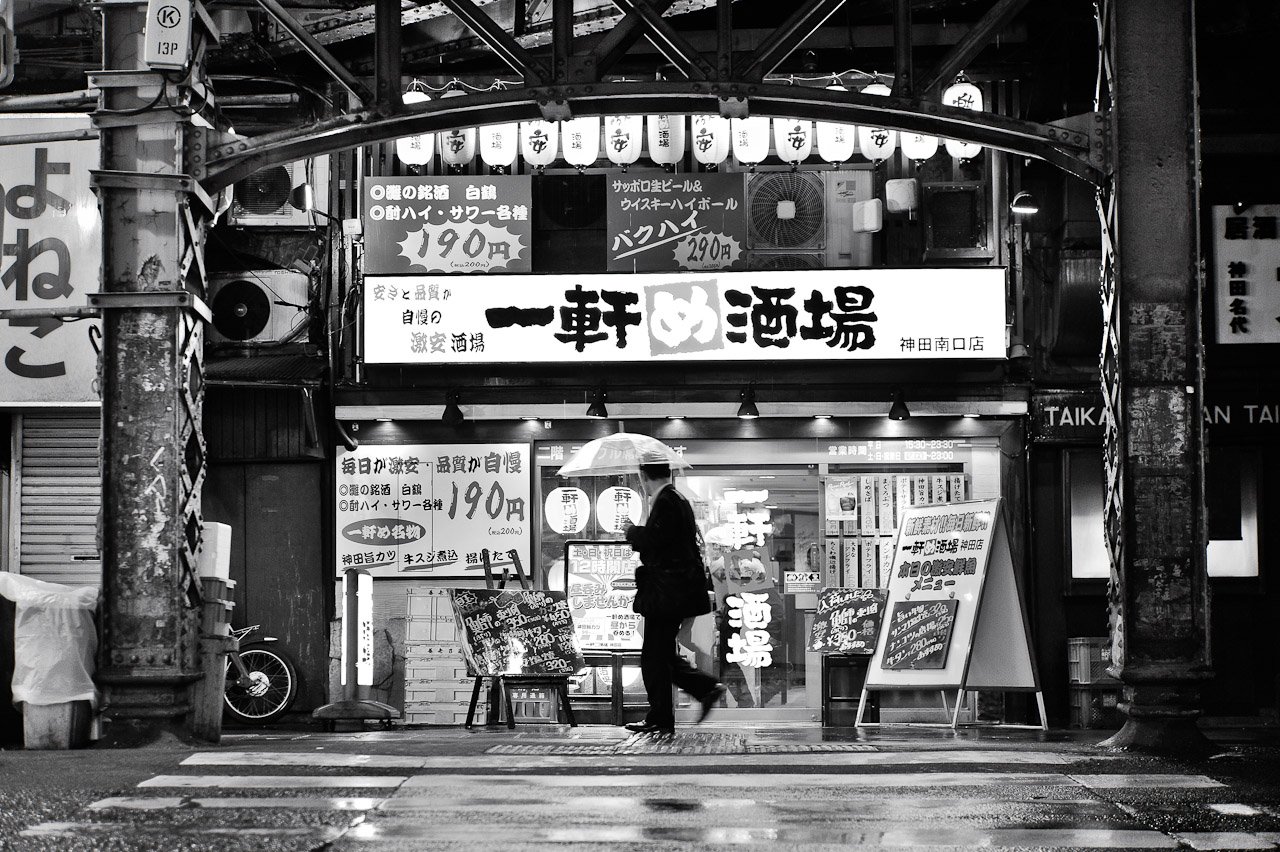
I prefer prime lenses and have many, but also carry an old, heavy zoom daily in Tokyo. I don’t always use it, but it works well when I do.

My Tokyo Street Photography Love Letter!
Tokyo is clean, safe, easy to navigate, and full of fun. I’m lucky to capture its beauty and even better to share photo tours of the city!
In Tokyo, Colour Is Best For Street Photography!
I love shooting in black and white. I even bought a camera that only takes black-and-white photos, the Leica Q2 Monochrom. But why say Tokyo looks best in colour? I believe it does.

1:1 Aspect Ratio Is Best For Street Photography?
I often use the Leica Q2 Monochrom and Nikon Z9, both with a 24 x 36 mm (3:2) aspect ratio—ideal for landscapes and portraits, and familiar in formats such as TVs, theatres, screens, and prints. Since 3:2 is common, why pick 1:1?
Shibuya Crossing: Street Photographers Hate It, I Love It.
I seek a moment in street photography and beyond—unfiltered, fleeting, and vivid. Trends don't matter; only that almost tangible instant. Often, I miss it.
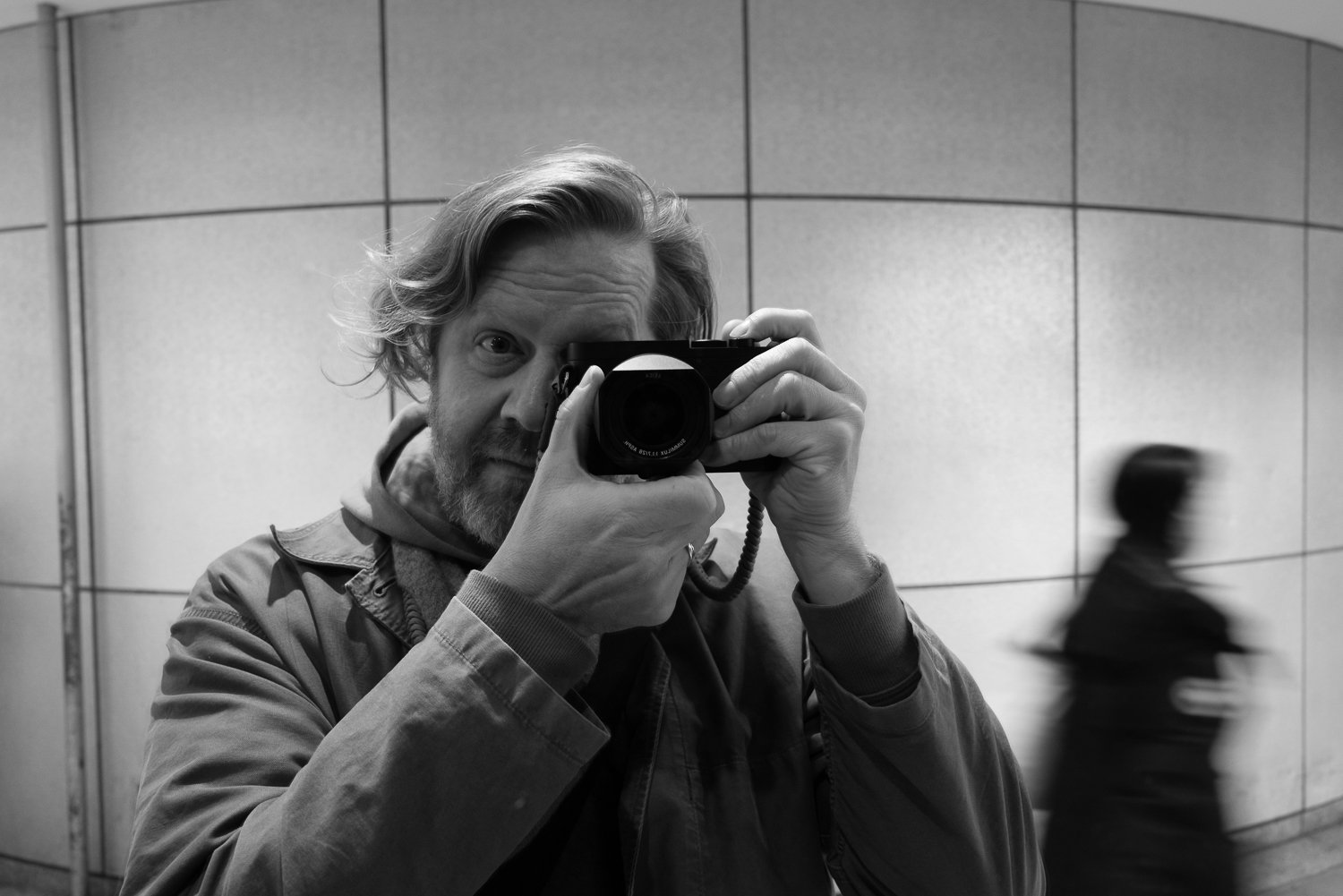
Rediscover Street Photography in Shibuya
Twenty years and three kids later, I lost the confident innocence once captured in Shibuya. I love all photography, especially street, practicing it daily—even without a camera. Complacency can sneak in, inspiring the name Tokyo Forgeries—a daily call to stay original.
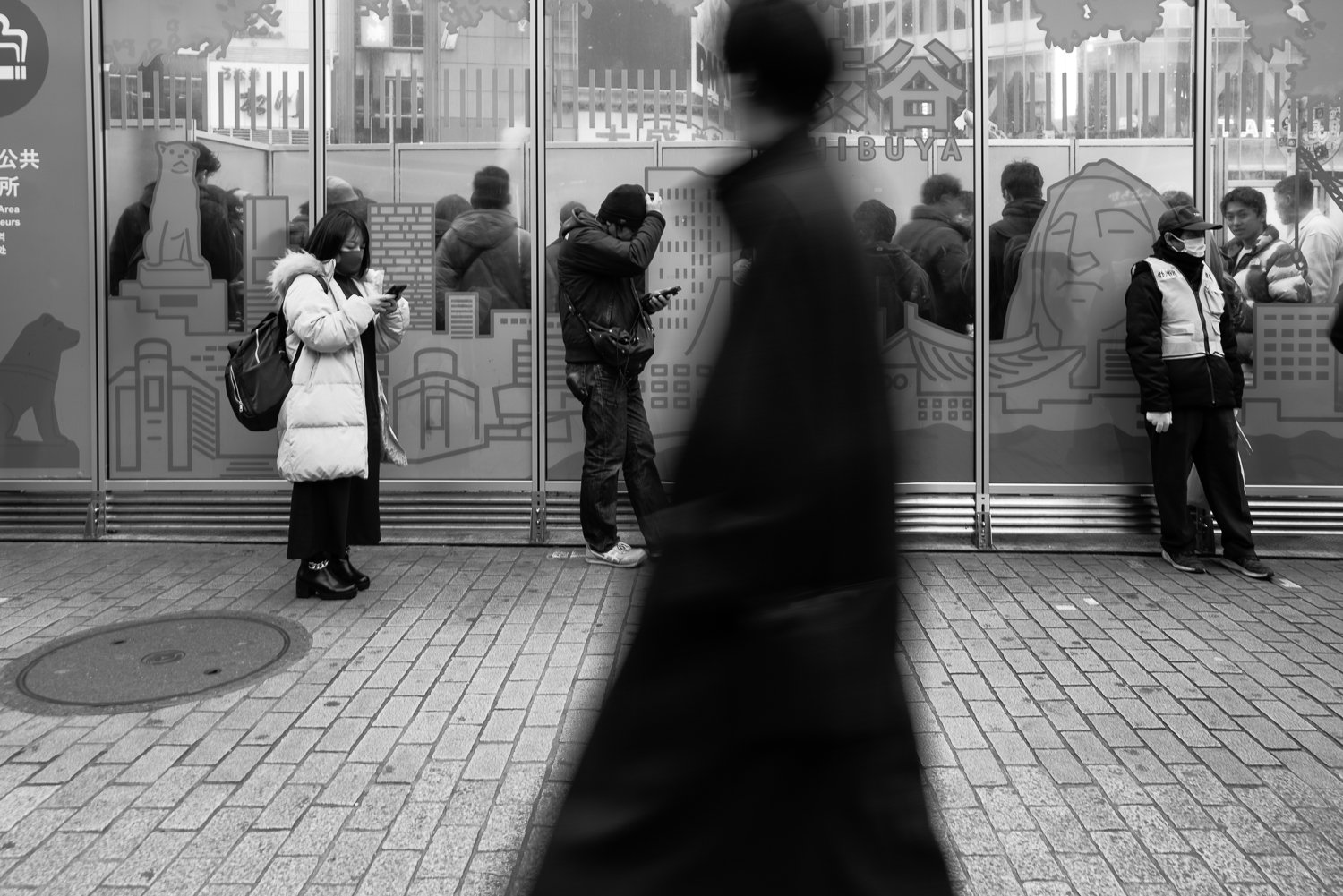
Tokyo Changes, Shoot It Before You Lose It.
Tokyo Changes
Cities constantly change. Tokyo, one of the largest and most vibrant cities, undergoes rapid and unpredictable transformations. A favourite shooting spot may disappear, then reappear later.
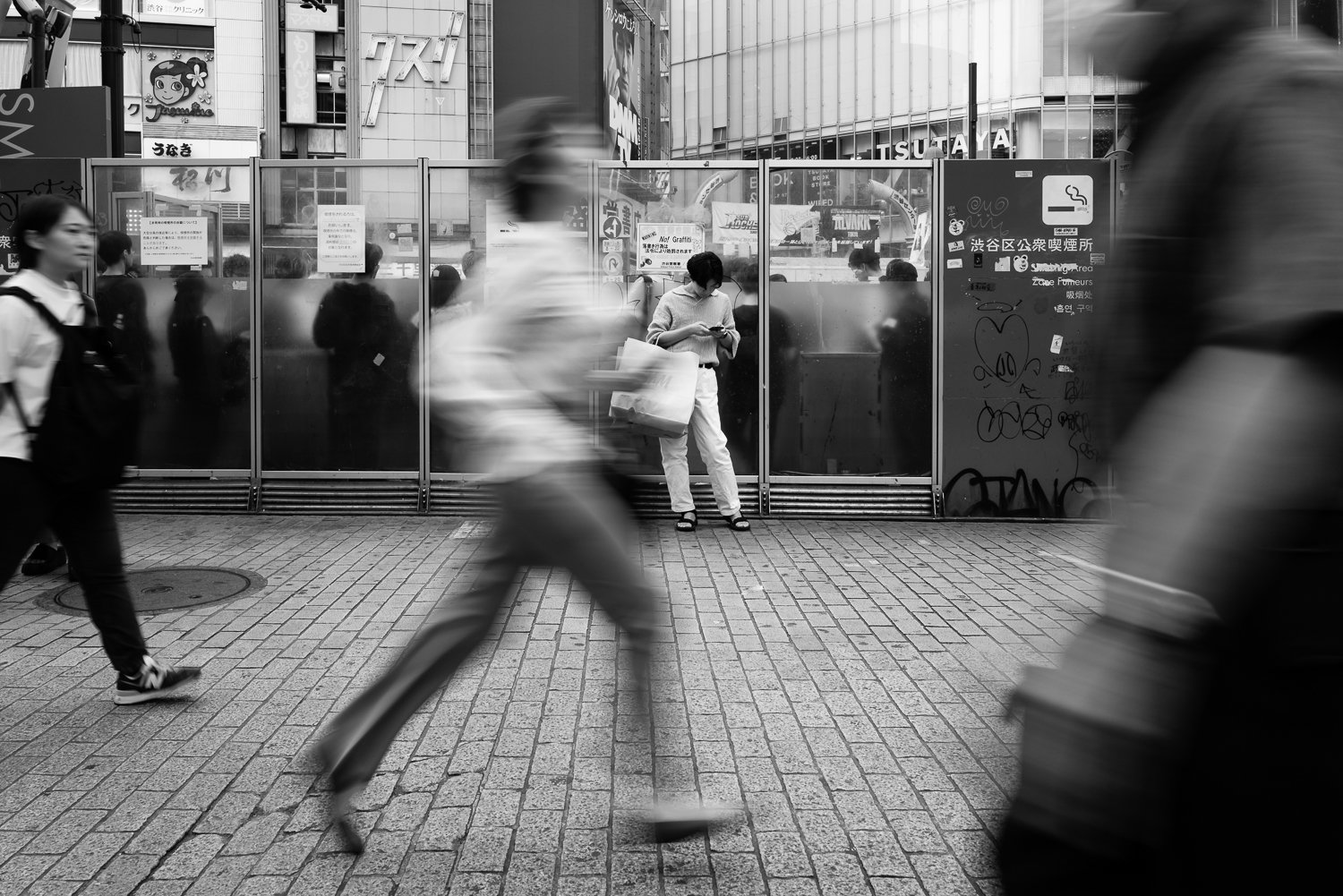
28mm Is The Best Focal Length For Street Photography!
Is 28mm the best focal length for street photography? Many say yes, and I often agree. But sometimes not. It’s tricky—neither wide-angle nor standard like 35mm or 50mm. This balance makes it popular: wide enough to capture scenes without distortion, yet distinct from typical lenses.
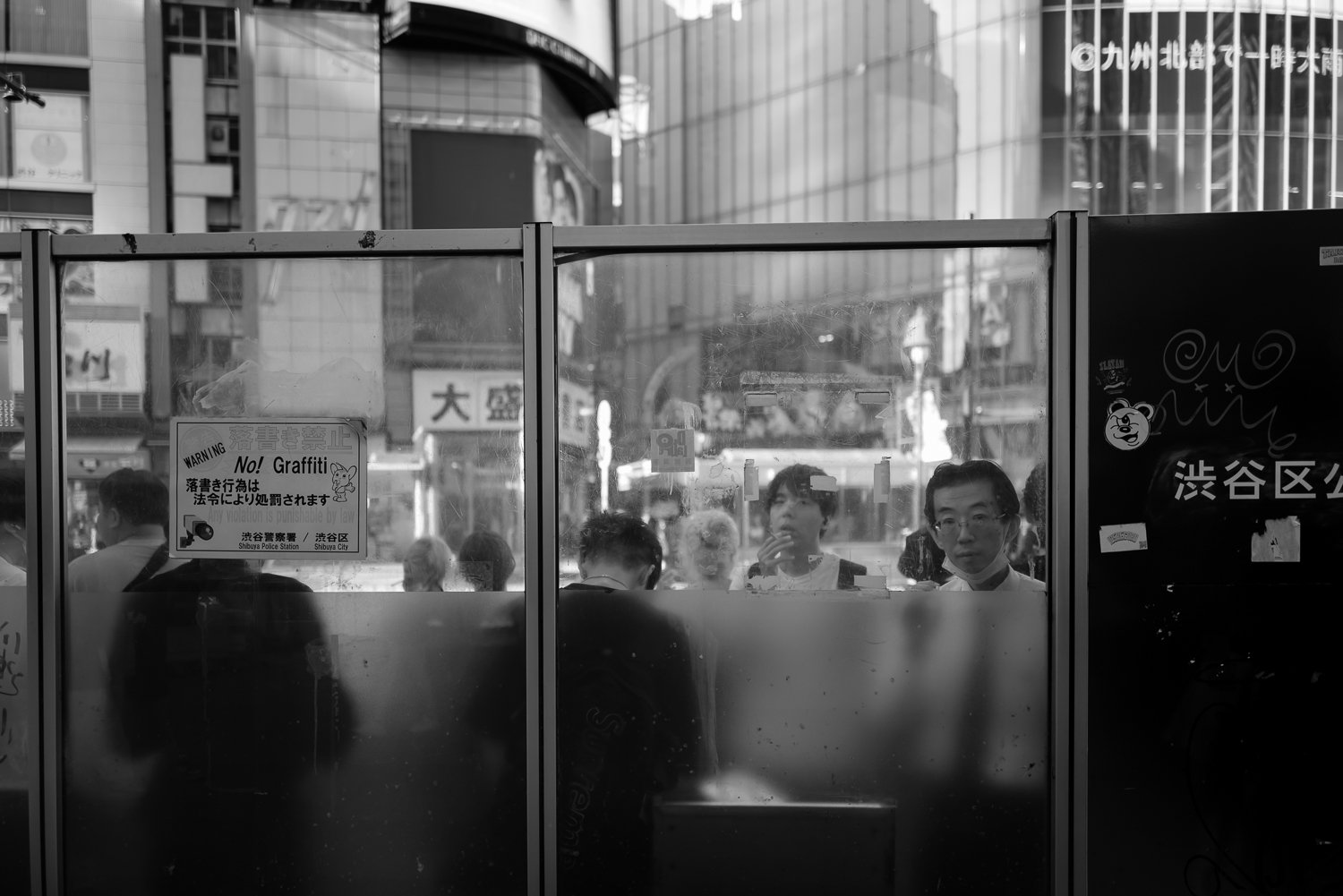
What is the proper etiquette for street photography?
What is street photography etiquette? Do people follow it? When is it crossed, and who decides? Based on 20 years in Tokyo, I'll share my view—but etiquette is personal, not absolute.
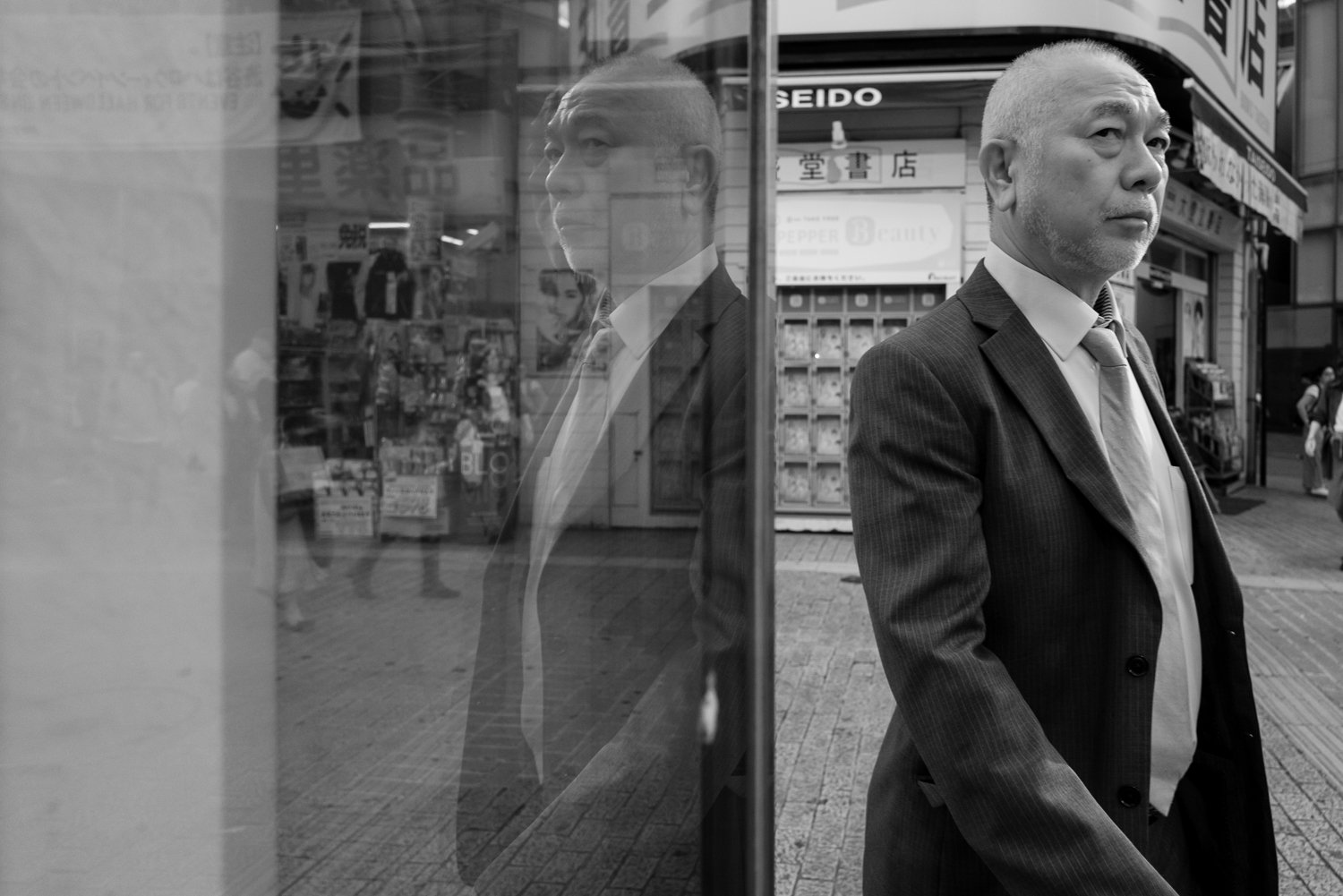
Capturing Eye Contact: Facing Fear in Shibuya
Eye contact is paramount. It resonates with everyone; it doesn’t matter if you enjoy street photography or any other type of photography—we all grasp the impact of eye contact. Why is it so hard to capture it? For me, it is fear.
Fear of the unknown, to be more specific. How will they react to having their picture taken? When I show them, how will they respond to my rendering? All these thoughts, along with the calculations, mathematical and creative to take photographs, plow through my mind instantly—the click of the shutter button is merely the result of all that grey matter processing. If the math is correct, the sum will be a good image.
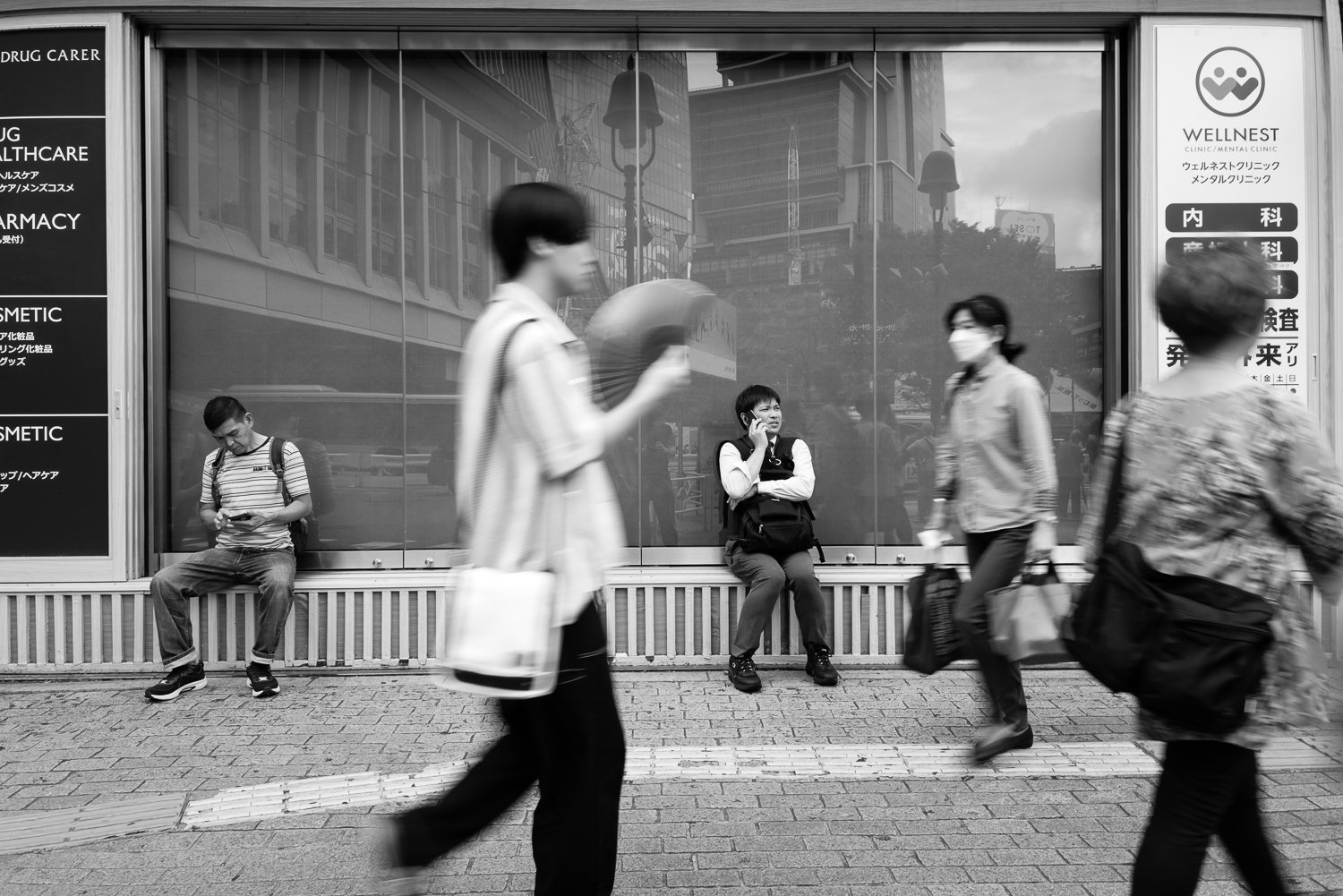
Working the Scene in Tokyo’s Shibuya
One of the first lessons learned as a new street photographer is to work the scene. That is, to move around the scene you are shooting for the best image to capture. I learned this lesson very early as I only had access to a single lens, a 50mm. I would love to claim artistic instinct, but in truth, I had no other choice.

A Beautiful Night of Street Photography in Shibuya
What constitutes a beautiful night of street photography is italicized below. Though it is written in the formal language required for another publication, the highlighted text provides insight into not only how to approach teaching street photography but also how I practice it.

The Joy of Sharing Our Street Photography.
Most of my day as a street photographer is spent scouting new locations rather than shooting them. I do this not by choice but through instinct. I spend just enough time exploring an area’s potential, capturing something I am happy with, and moving on. I have many favourite spots in Tokyo. I revisit them often but never consider any particular place to be mine. If anything, they belong to the city, and I have only carefully observed their potential.
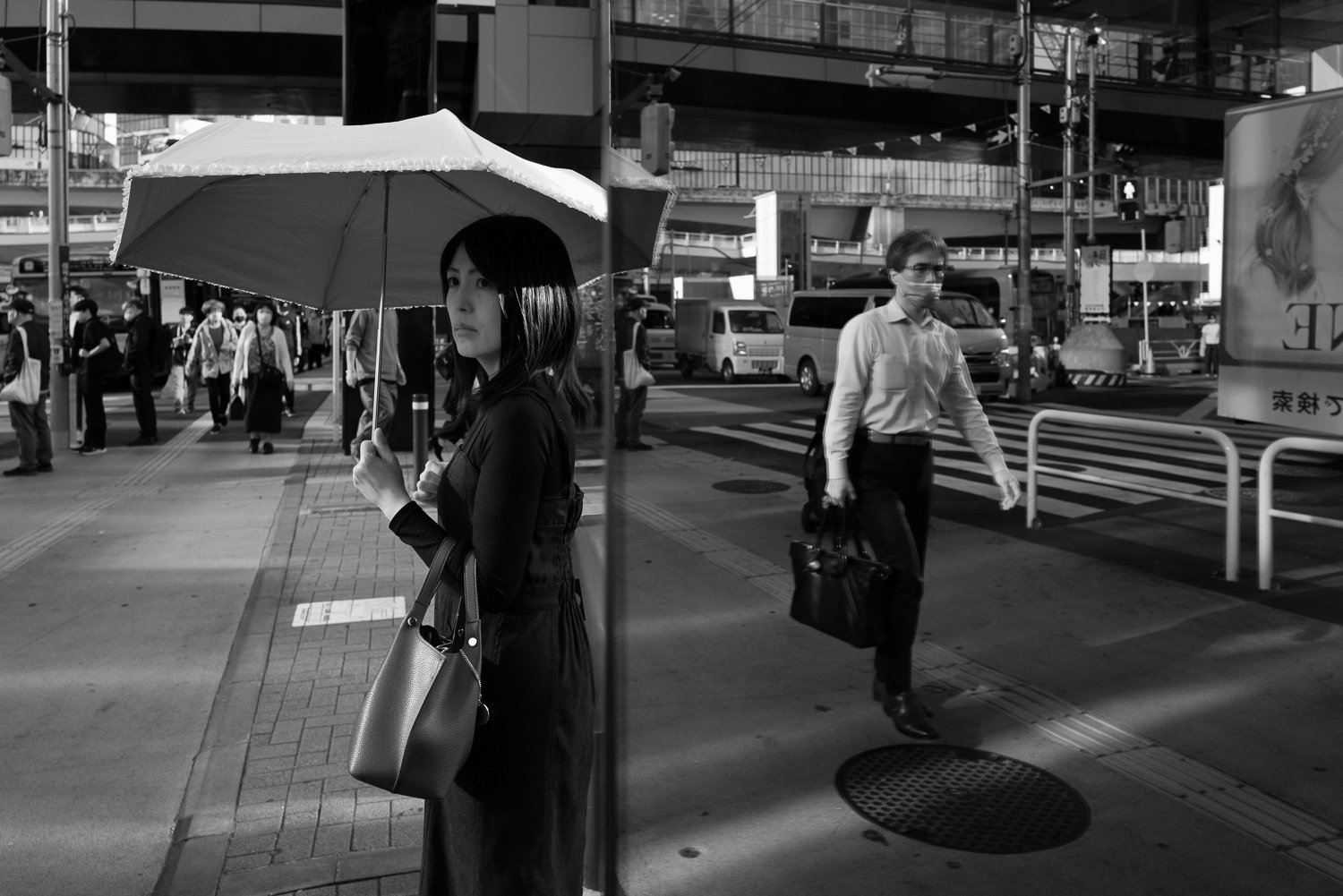
What Is the Best Focal Length for Street Photography?
What is the best focal length? 28mm, 35mm, 50mm, wider, or longer? The answer: the one you carry and know well, fitting your vision.
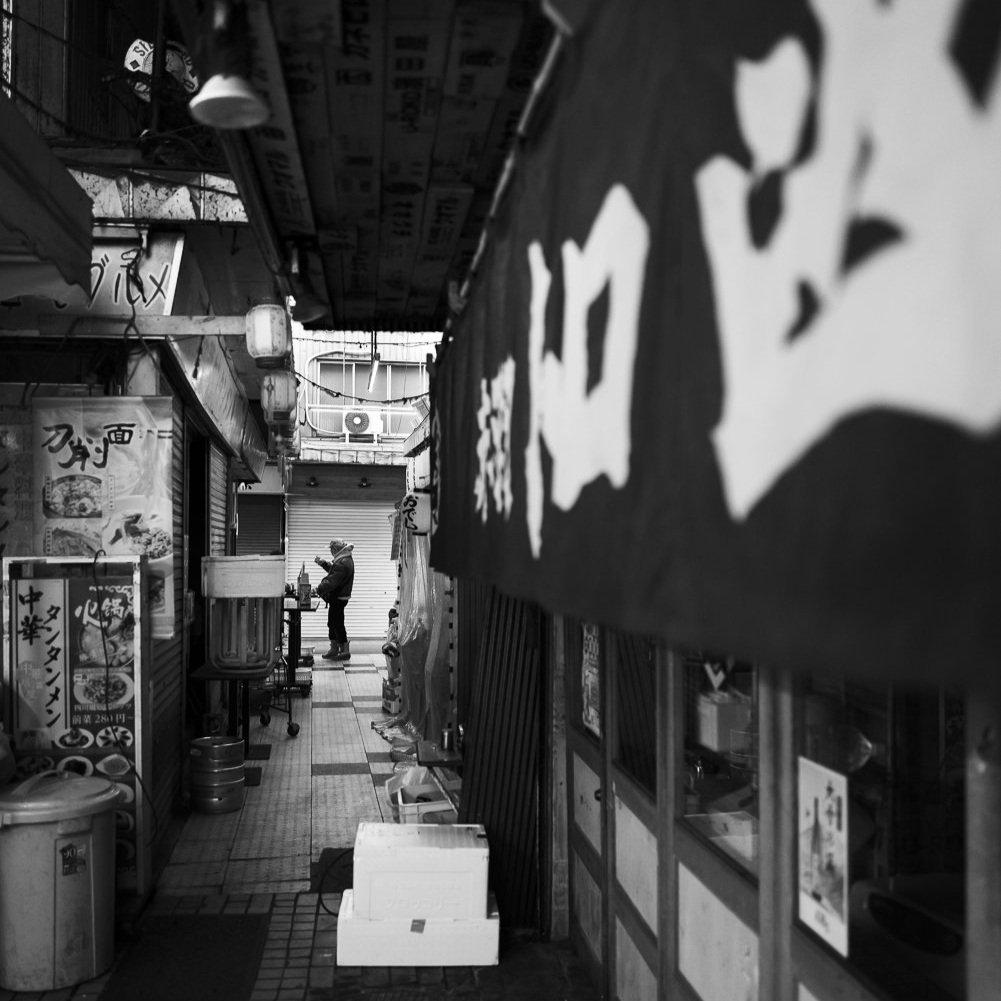
Akabane: Tokyo’s Street Photography Secret
Most don’t know Akabane, Tokyo’s northern train hub where east meets west. I first saw it as a station, but it’s a lesser-known top spot for street photography.