The Tokyo Forgeries Blog
FORGED, NOT CAPTURED
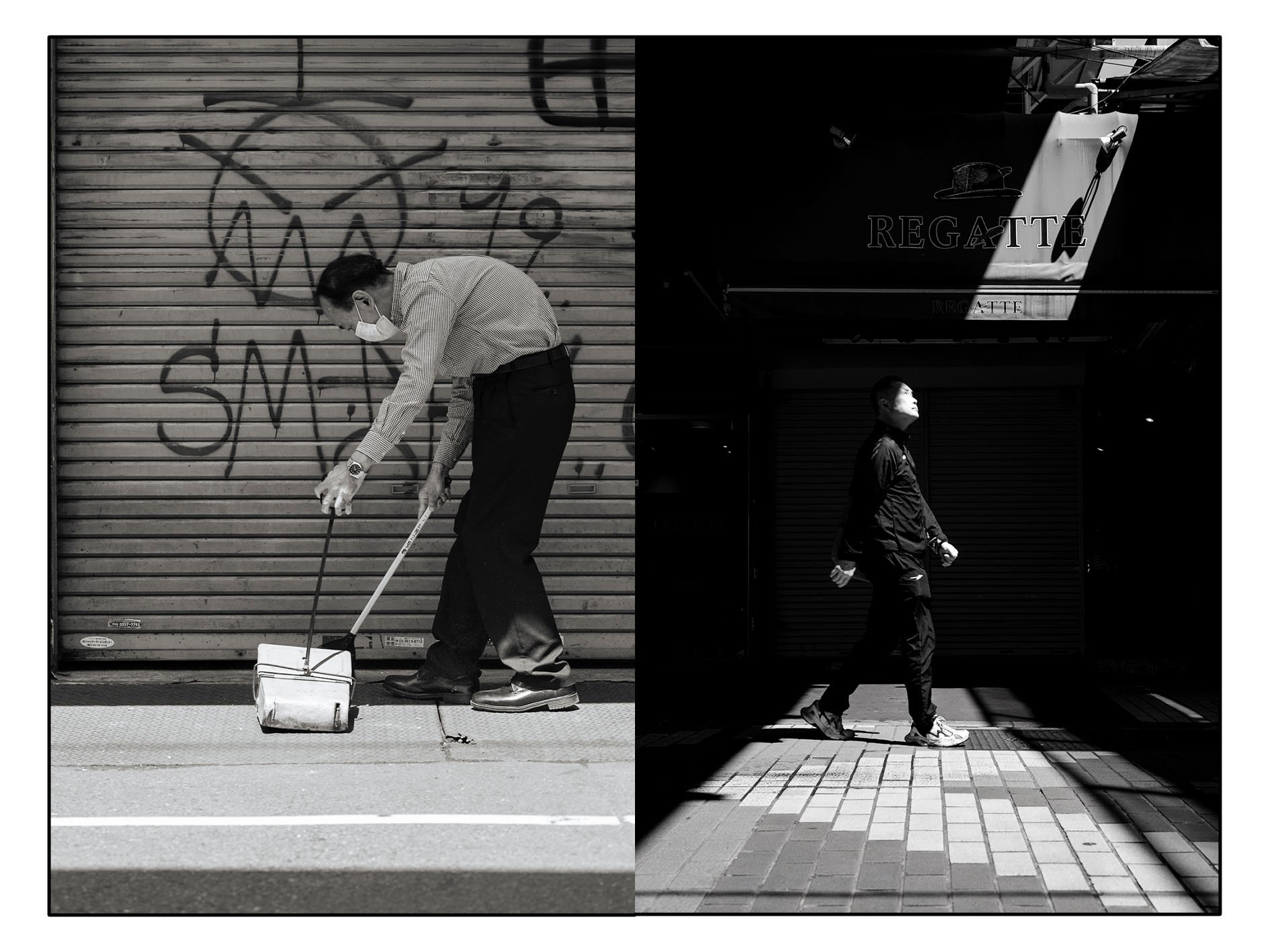
Exploring Ueno’s Ameya-Yokocho: A Photographer's Paradise
Ueno stands out as a top destination for anyone visiting Tokyo. Within its maze of paths, you will find food, clothing, a diverse crowd, shopping, and shrines. Numerous chances for photography are abundant. Ueno Ameyokocho is truly a paradise for street photographers.
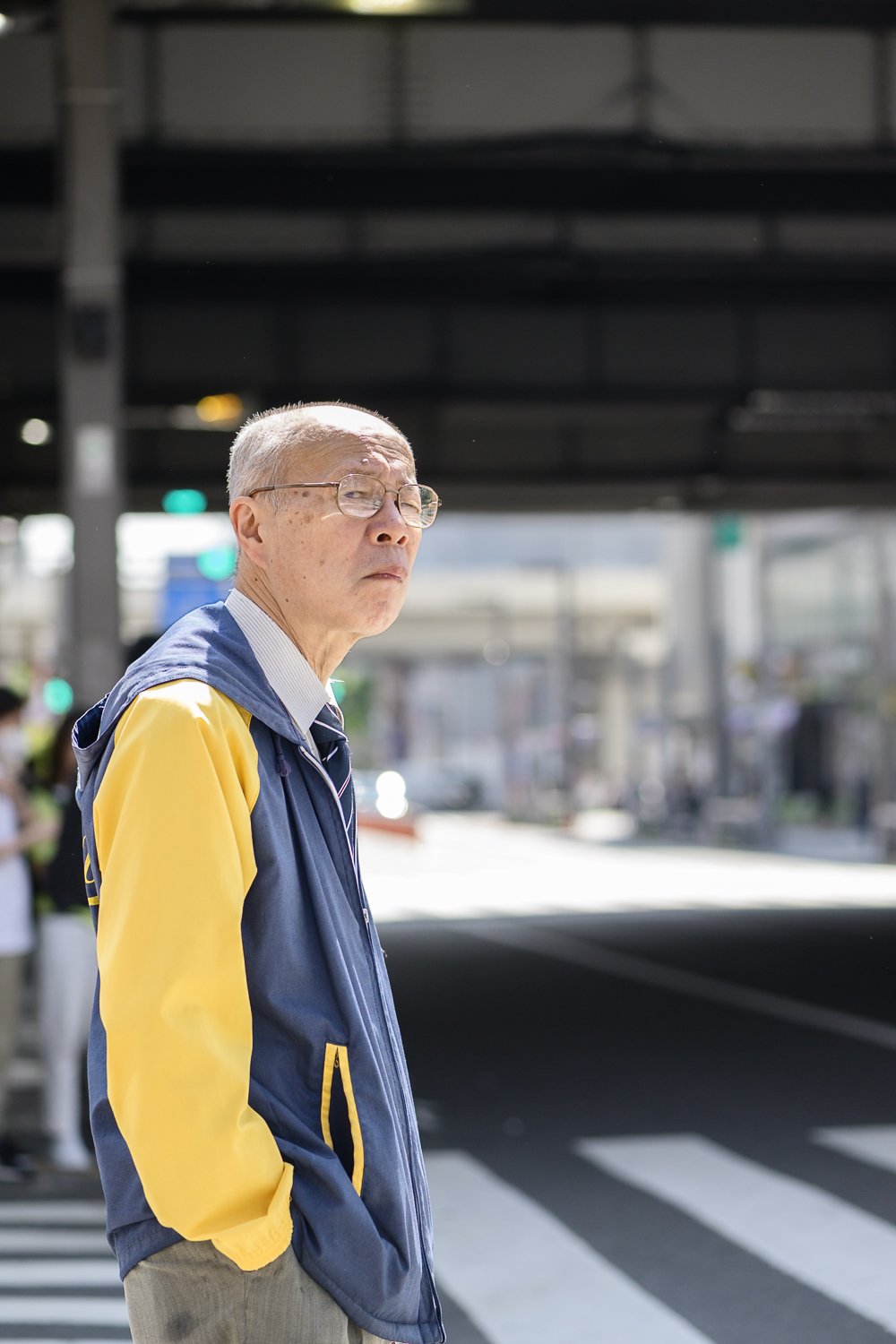
Chasing Light, in Ueno’s Ameyokocho Market.
Ueno is the best in Tokyo, with charm, history, locals, and some gentrification. Despite tourists, it's perfect for street photography, especially with great light. I stop there whenever I can.
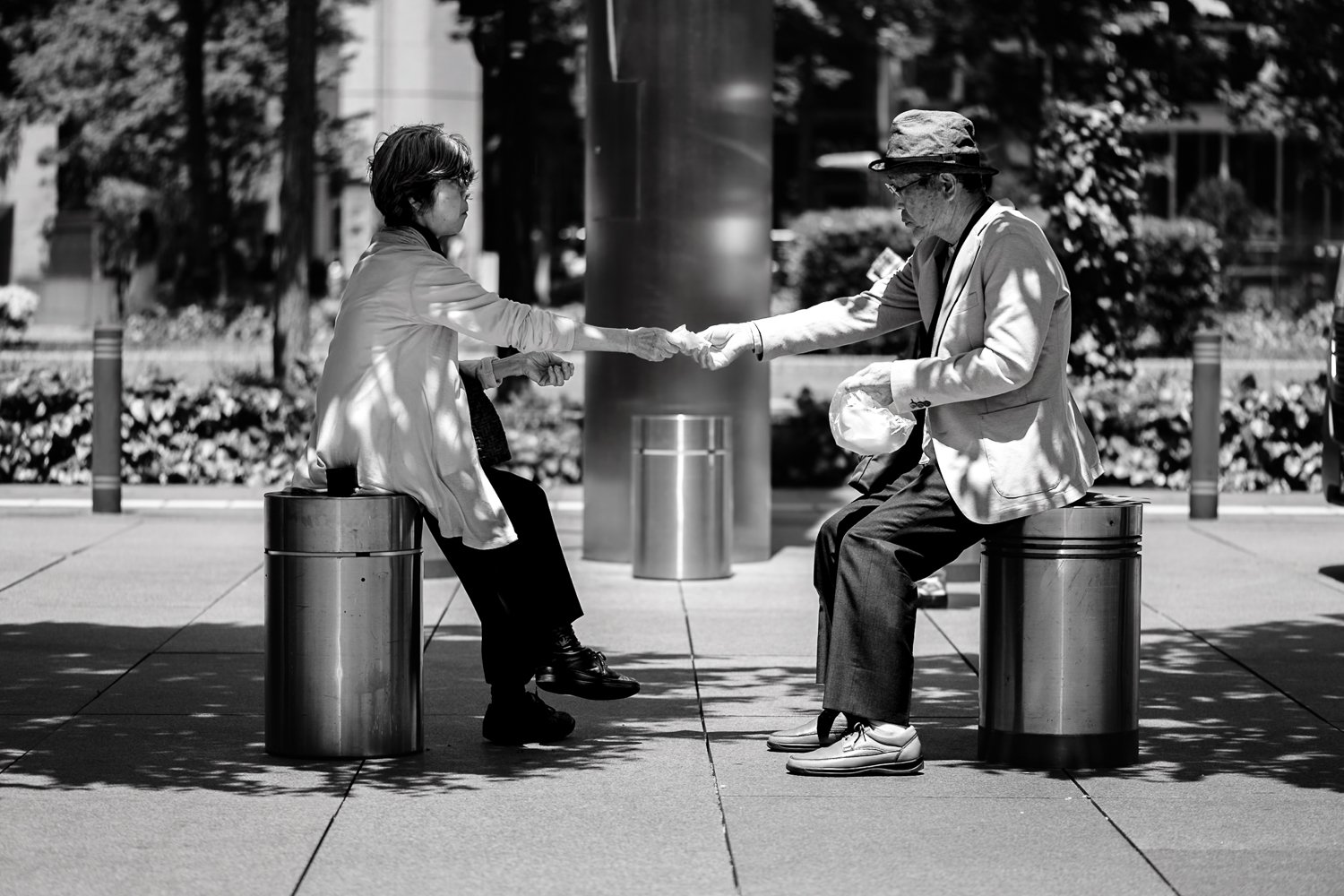
Chasing Light at the Tokyo International Forum.
The Tokyo International Forum is a must-visit place for any photo workshop in Japan. There are so many possibilities for great images here. I have been a hundred times, and it never disappoints.
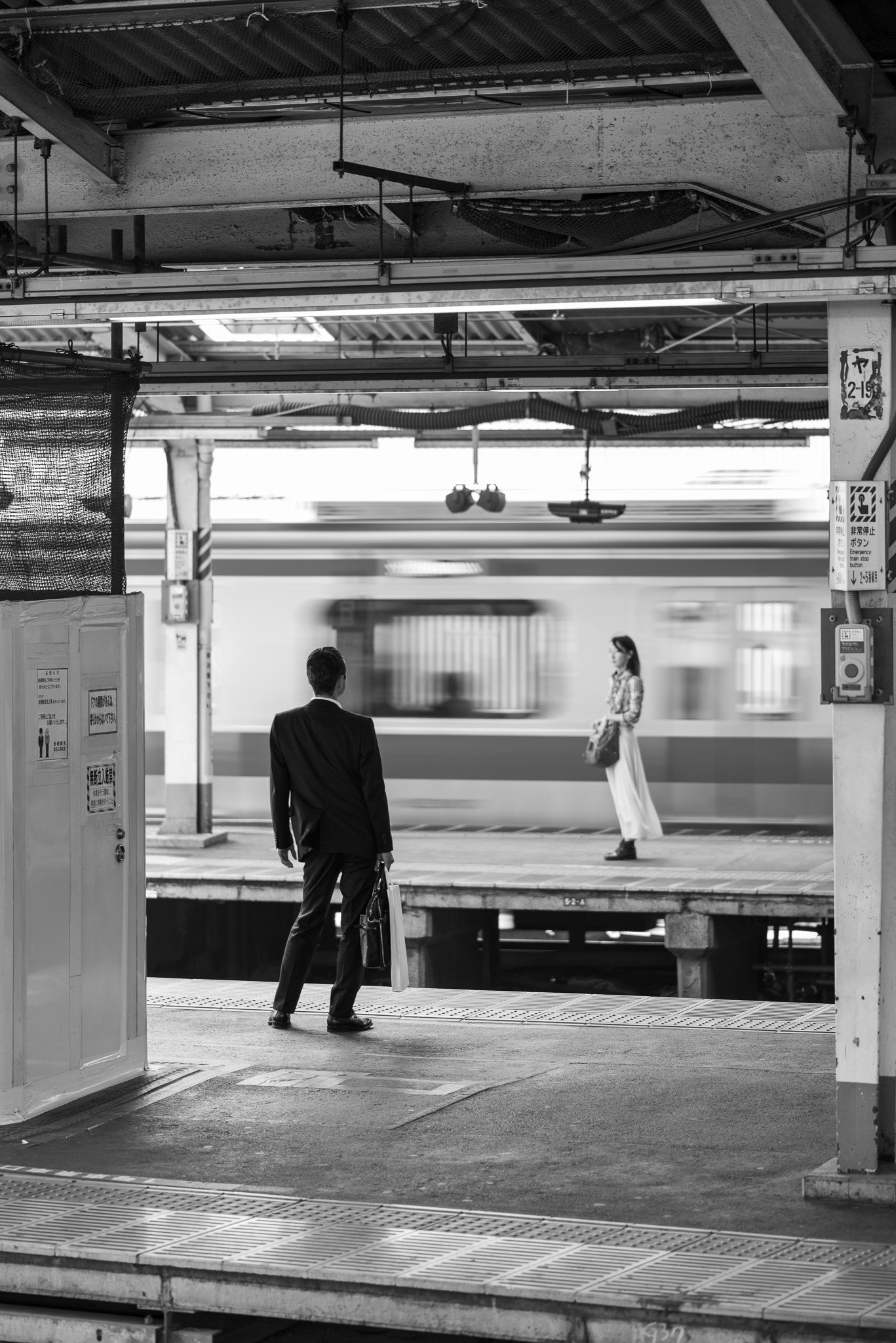
Self-Fulfilling Street Photography is The Only Way
What is right the way to approach street photography? Do you follow your heart or follow the trends? What if my heart is in the trends?
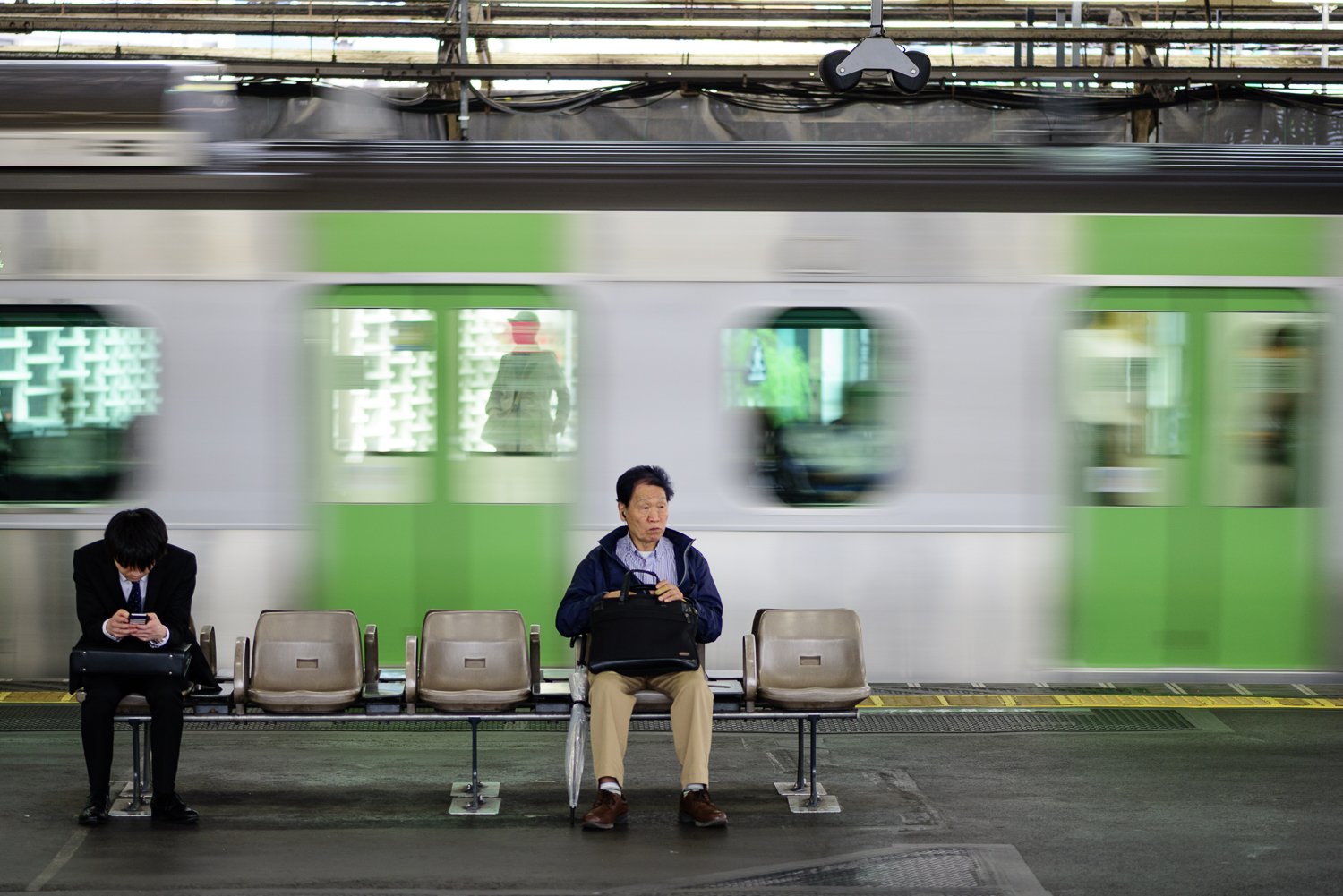
What is the Number One Street Photography Rule!
Street photography has no strict rules; it’s guided mainly by flexible etiquette based on personal preference.
Revisiting the Logic of Past Street Photography
How do you challenge yourself as a street photographer. Do you look at old work? Do you consider the how and why of being an artist? Is street photography art?
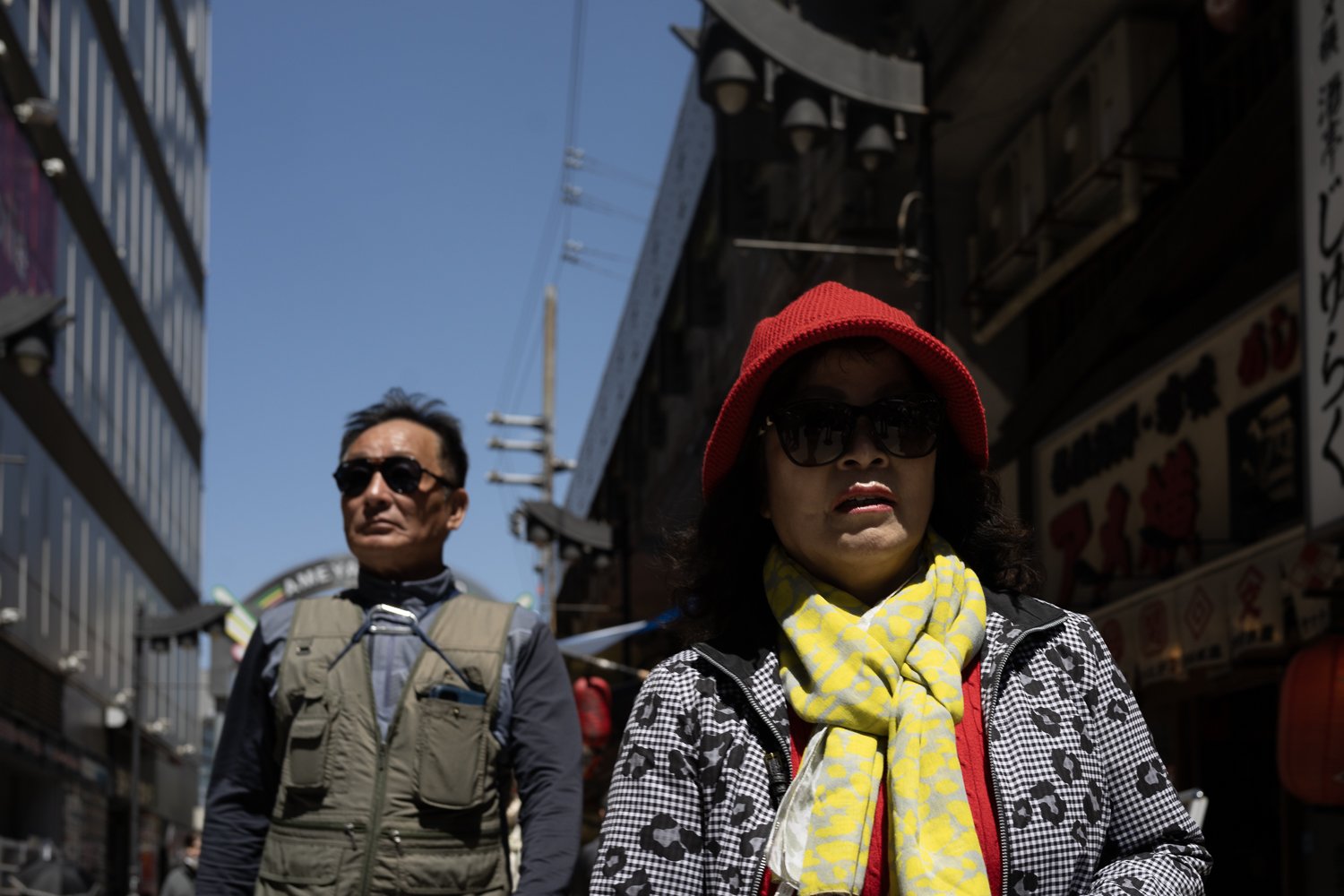
A Candid Street Photography View: Shooting from the Hip
Shooting form the hip in Ueno’s famous Ameyoko market on a sunny day.

Navigating Recognition: Street Photography
Claiming the title of artist is difficult as it requires mastery of craft and self.

The Fallacy of Focal Length in Street Photography
The conversation frequently revolves around which lens is best suited for street photography. While focal length undeniably influences composition and perspective, overemphasizing it can lead us astray, creating a fallacy that can hinder our creative expression.

Why the 85mm Lens is the Best Street Photography Lens
In street photography, the 85mm lens is a popular choice for capturing compelling images.
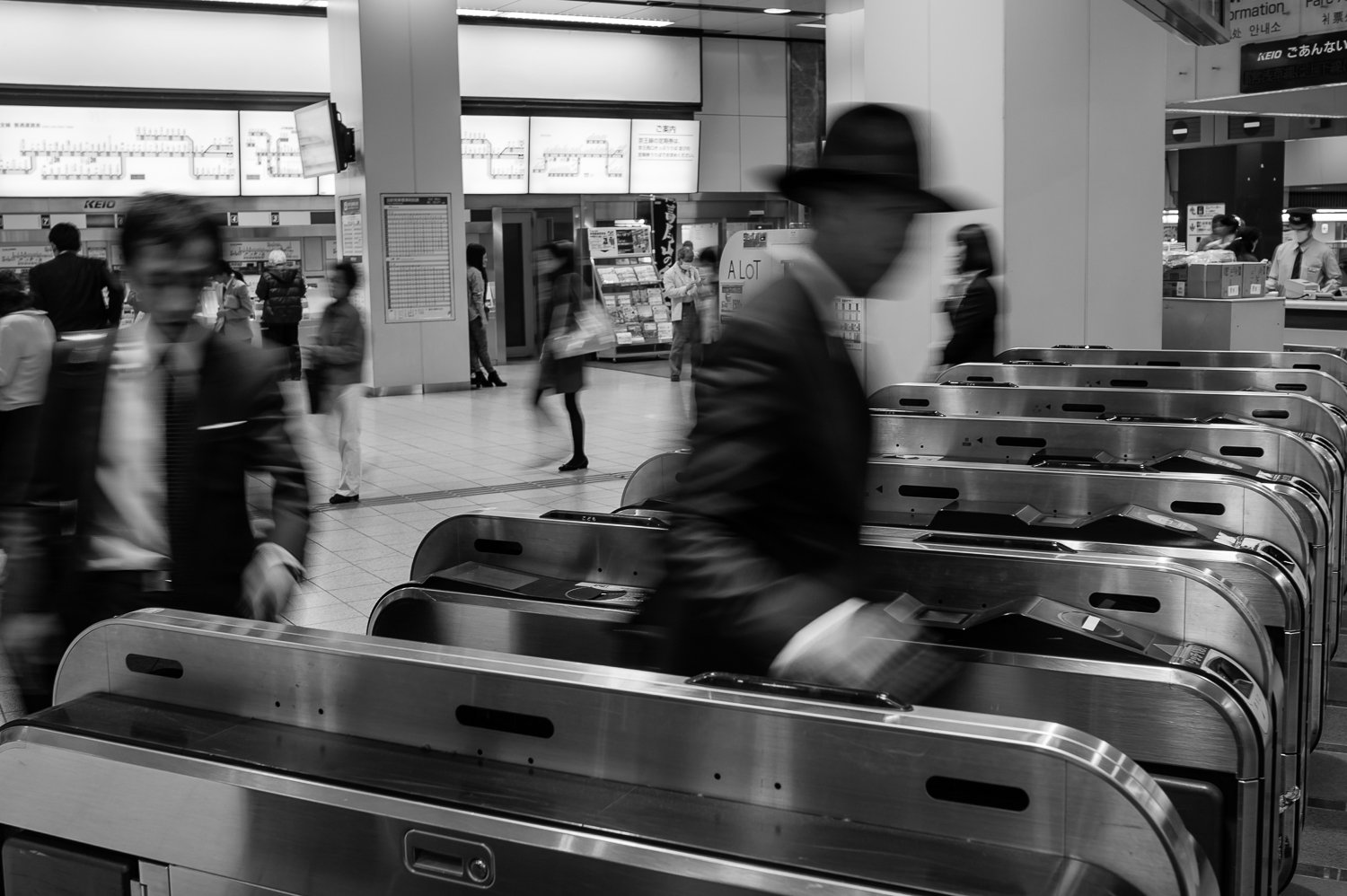
35mm is the Best Lens for Street Photography
The 35mm lens suits diverse street photography, from lively scenes to intimate portraits. Its low-light performance allows shooting at dawn or dusk, while its compact size helps photographers stay unobtrusive. This makes it an ideal tool for capturing authentic, compelling stories.
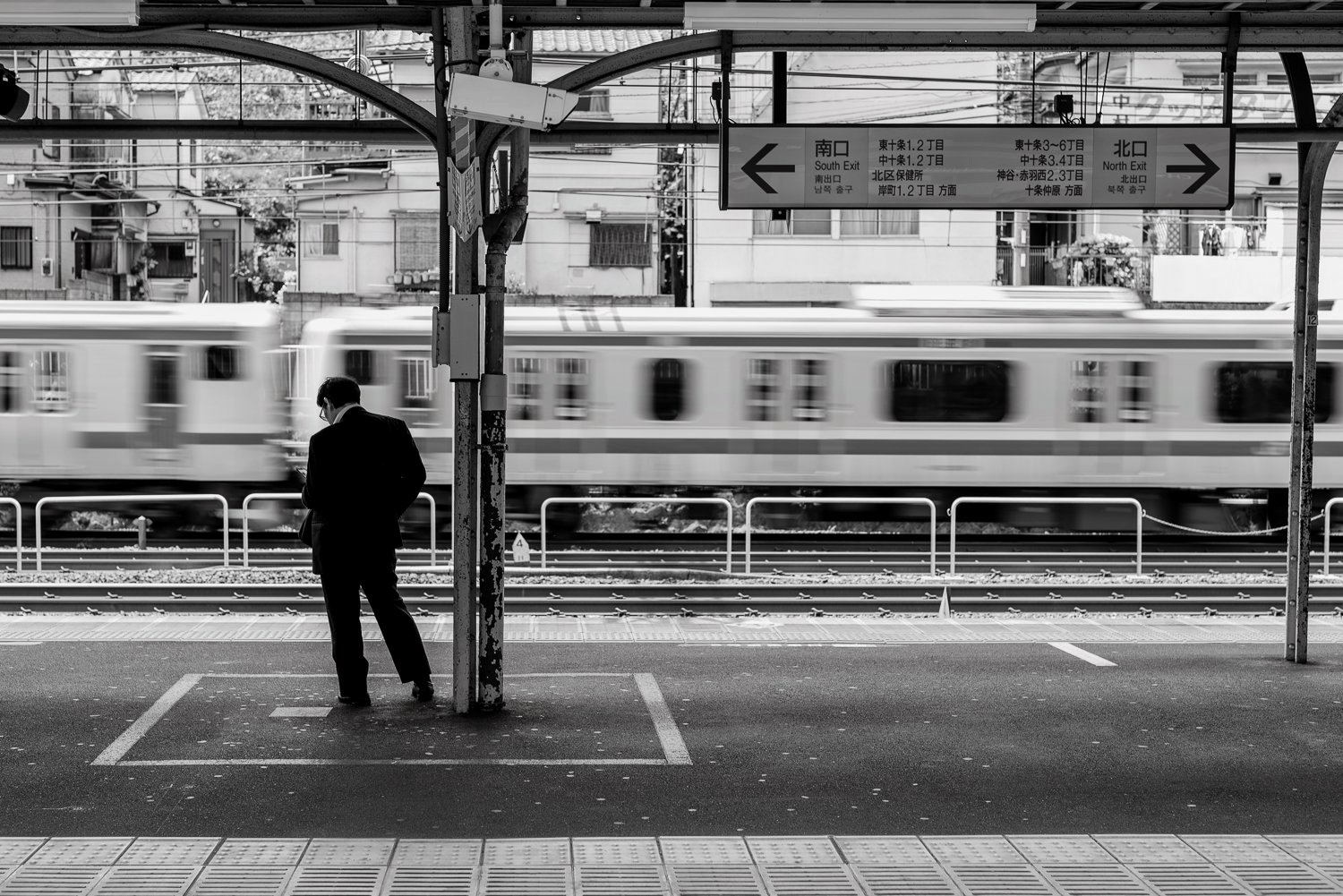
Excessive Cropping Can Mislead Viewers of Street Scenes.
I
In the instant photography and social media era, capturing street scenes is easier than ever. But excessive cropping, while sometimes enhancing composition, often removes essential context and misrepresents the photo’s story.

My Tokyo Street Photography Love Letter!
Tokyo is clean, safe, easy to navigate, and full of fun. I’m lucky to capture its beauty and even better to share photo tours of the city!

In Tokyo, Colour Is Best For Street Photography!
I love shooting in black and white. I even bought a camera that only takes black-and-white photos, the Leica Q2 Monochrom. But why say Tokyo looks best in colour? I believe it does.

1:1 Aspect Ratio Is Best For Street Photography?
I often use the Leica Q2 Monochrom and Nikon Z9, both with a 24 x 36 mm (3:2) aspect ratio—ideal for landscapes and portraits, and familiar in formats such as TVs, theatres, screens, and prints. Since 3:2 is common, why pick 1:1?
Shibuya Crossing: Street Photographers Hate It, I Love It.
I seek a moment in street photography and beyond—unfiltered, fleeting, and vivid. Trends don't matter; only that almost tangible instant. Often, I miss it.
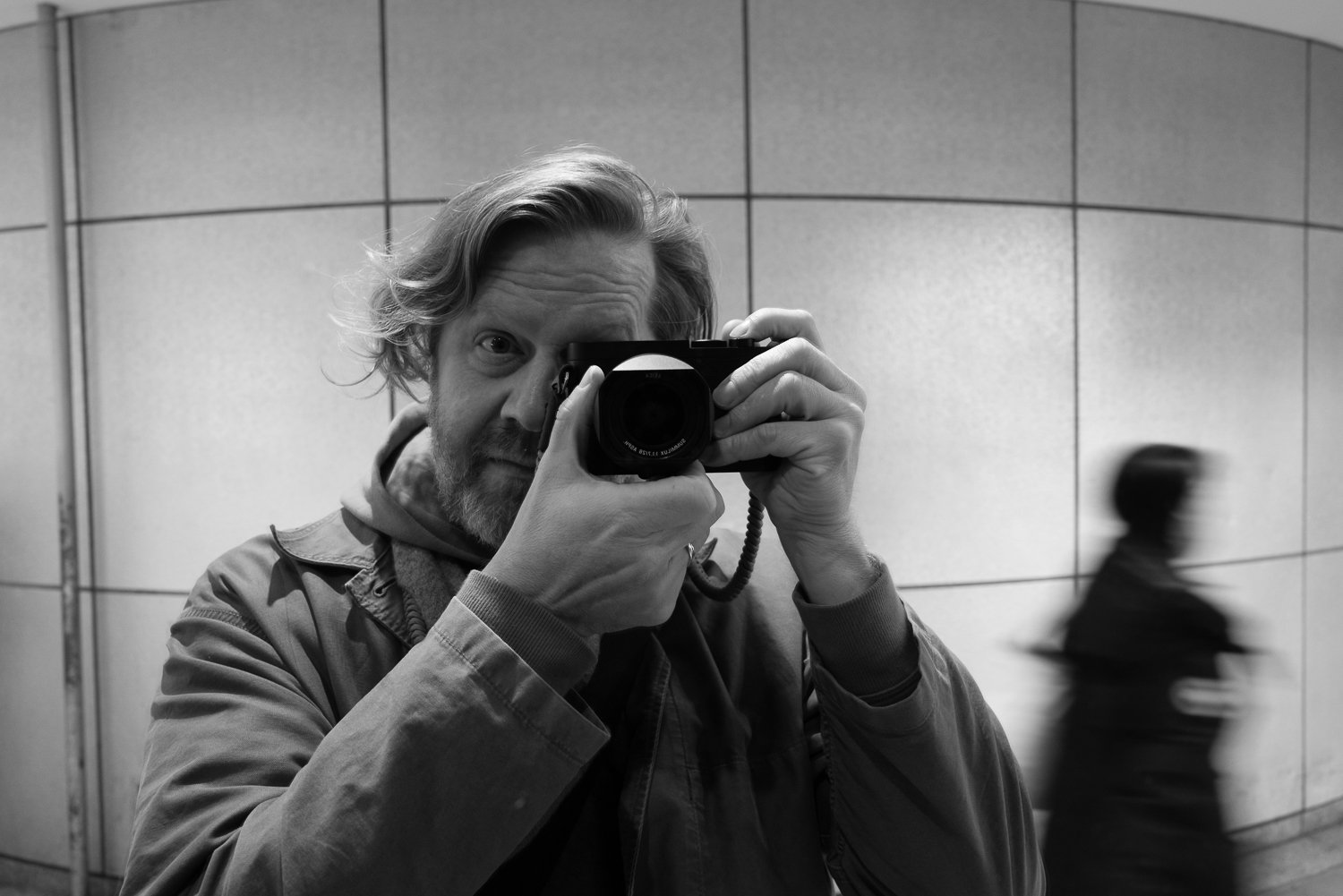
Rediscover Street Photography in Shibuya
Twenty years and three kids later, I lost the confident innocence once captured in Shibuya. I love all photography, especially street, practicing it daily—even without a camera. Complacency can sneak in, inspiring the name Tokyo Forgeries—a daily call to stay original.
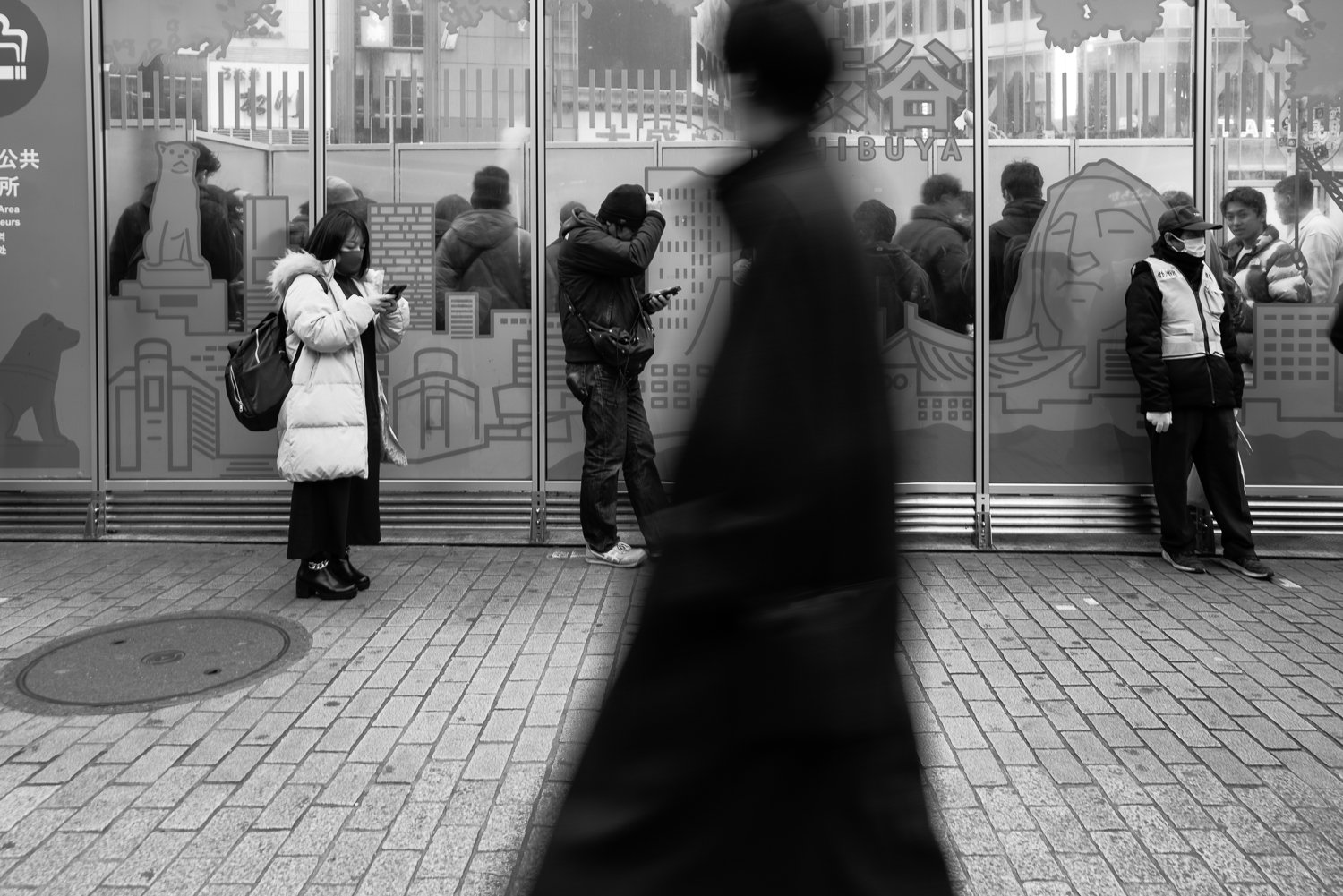
Tokyo Changes, Shoot It Before You Lose It.
Tokyo Changes
Cities constantly change. Tokyo, one of the largest and most vibrant cities, undergoes rapid and unpredictable transformations. A favourite shooting spot may disappear, then reappear later.
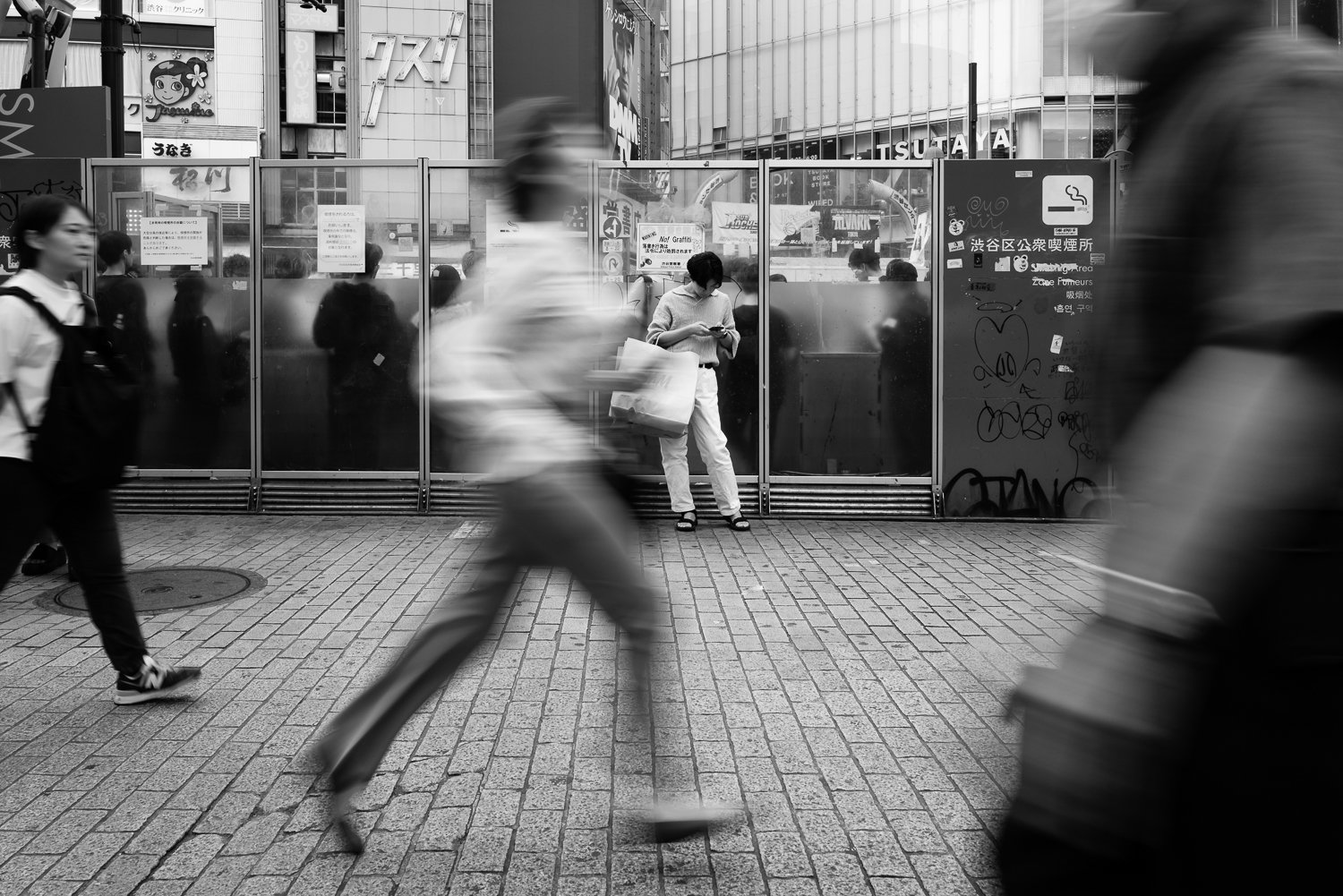
28mm Is The Best Focal Length For Street Photography!
Is 28mm the best focal length for street photography? Many say yes, and I often agree. But sometimes not. It’s tricky—neither wide-angle nor standard like 35mm or 50mm. This balance makes it popular: wide enough to capture scenes without distortion, yet distinct from typical lenses.
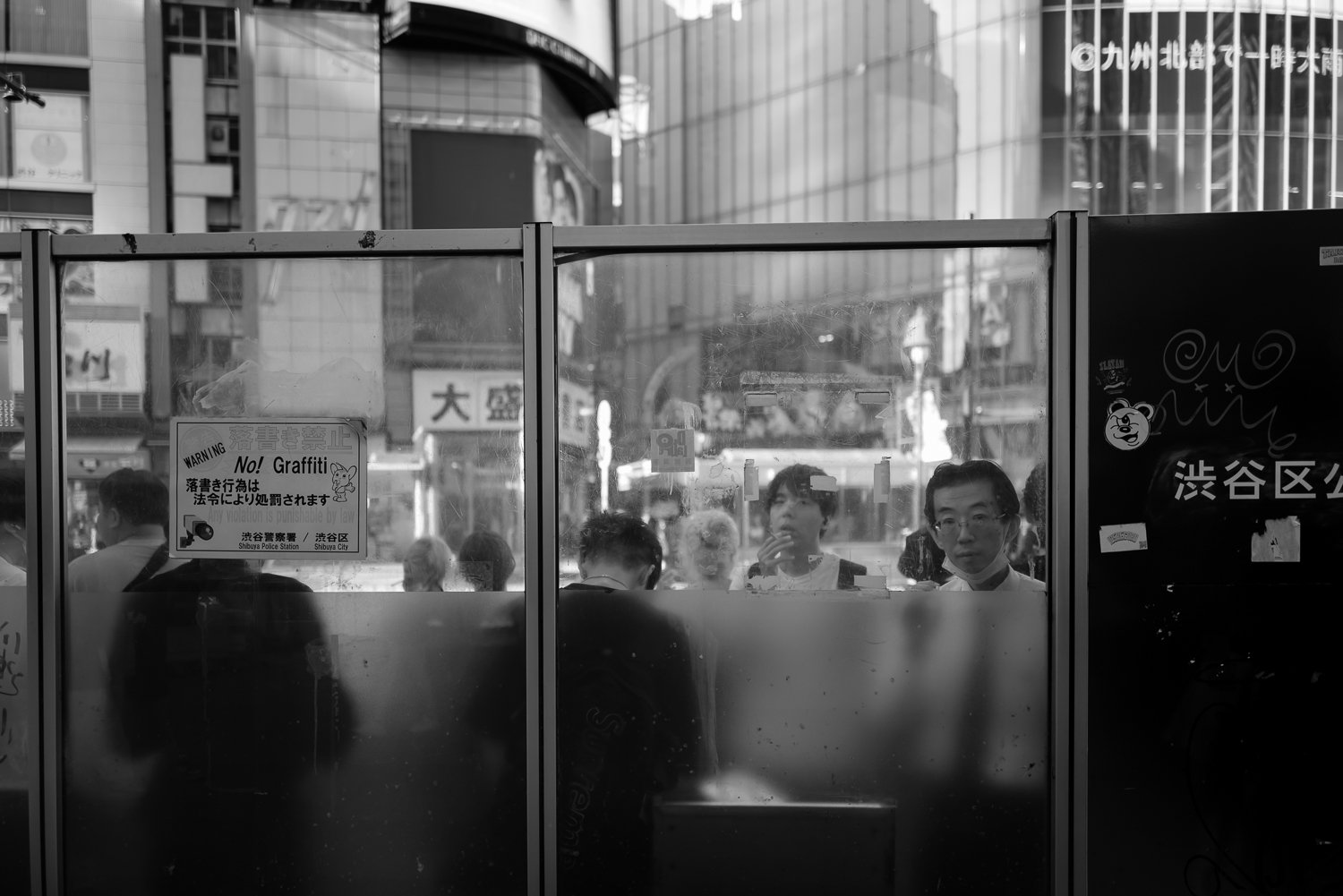
What is the proper etiquette for street photography?
What is street photography etiquette? Do people follow it? When is it crossed, and who decides? Based on 20 years in Tokyo, I'll share my view—but etiquette is personal, not absolute.