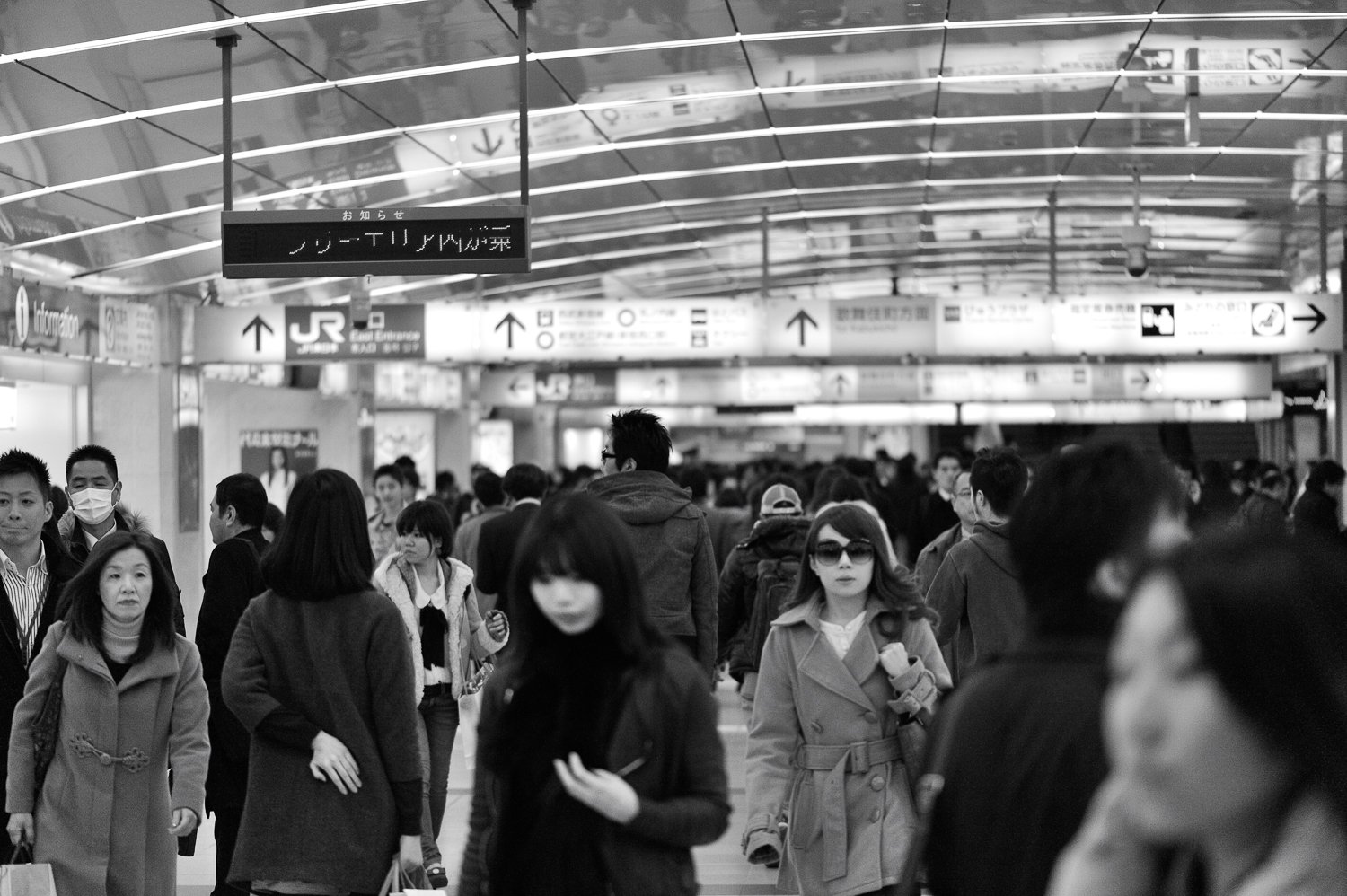
The Tokyo Forgeries Blog
Scroll Search or Click

2025 Content Strategy: Or How I Learned to Trust Myself
Setting goals for 2025, my writing reflects my photography: feel it first, then create. I avoid strict plans because they cause average work. I imagine the shot beforehand or on the spot—the right light, contrast, and background. After years of practice, there’s no
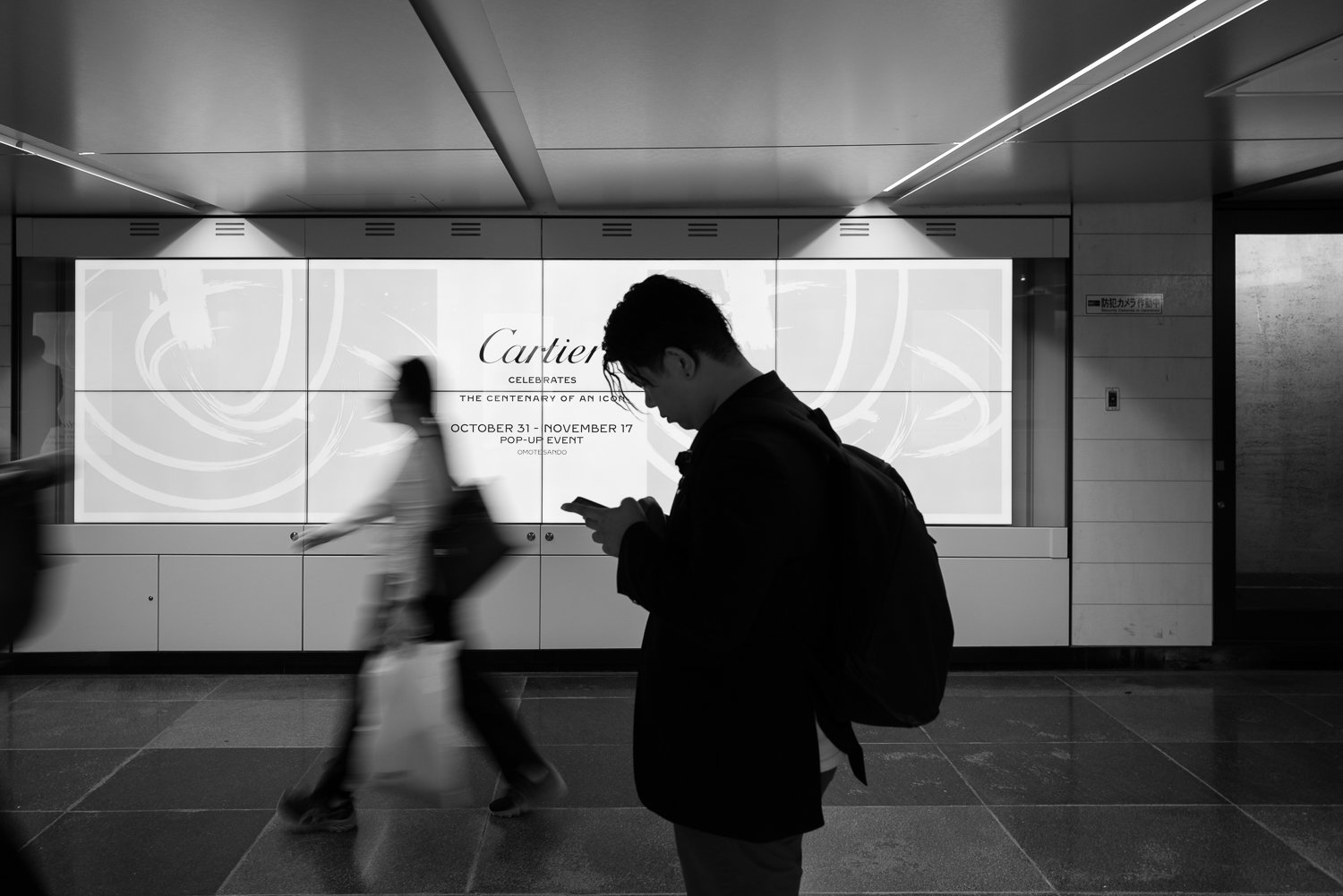
2025: Year of the Street Photography Book
I've aimed to write my own Tokyo street photography book, but each writing session sparked new ideas. After a week, several concepts emerged, each with a brief and dedicated page below. Producing these will take most of 2025 and likely dominate my creative work this year. I look forward to the challenge and the experiences it brings.

Three Interesting Street Photography Inspirations
Every art has masters, innovators, and unsung heroes who inspire and guide us. While much is written about top street photographers and their work, this essay explores the subtler influences I draw upon when shooting Tokyo’s streets.
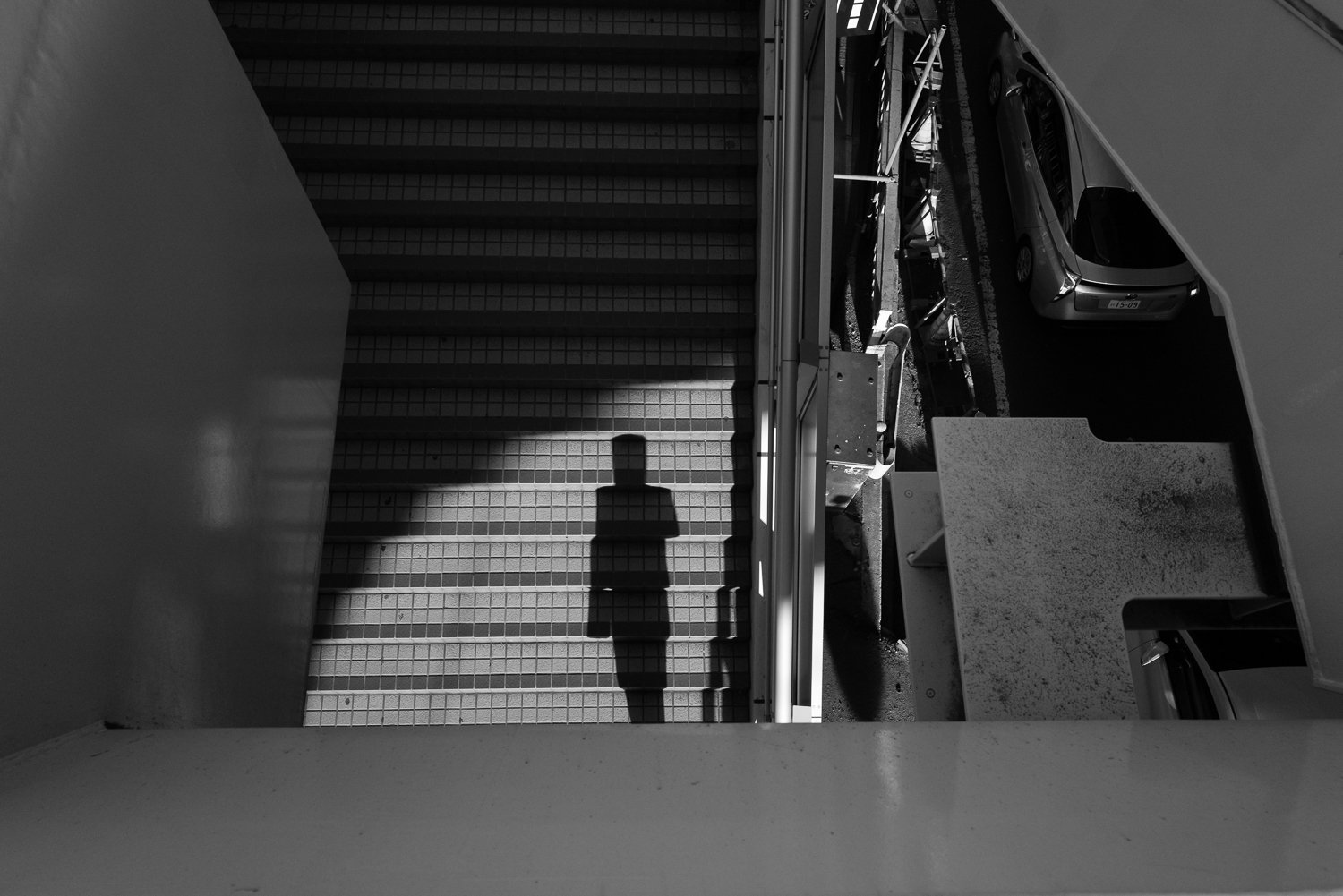
Capturing Street Photography Silhouettes in Tokyo
I recognize that some perceive silhouettes as clichés associated with beginners or lazy street photographers. However, I've included silhouettes in my list of favourite street photography images. That said, I regard street photography silhouettes similarly to any technique: they're valuable to know, and mastering them can be even more beneficial because you never know when the ideal opportunity will arise on the streets.
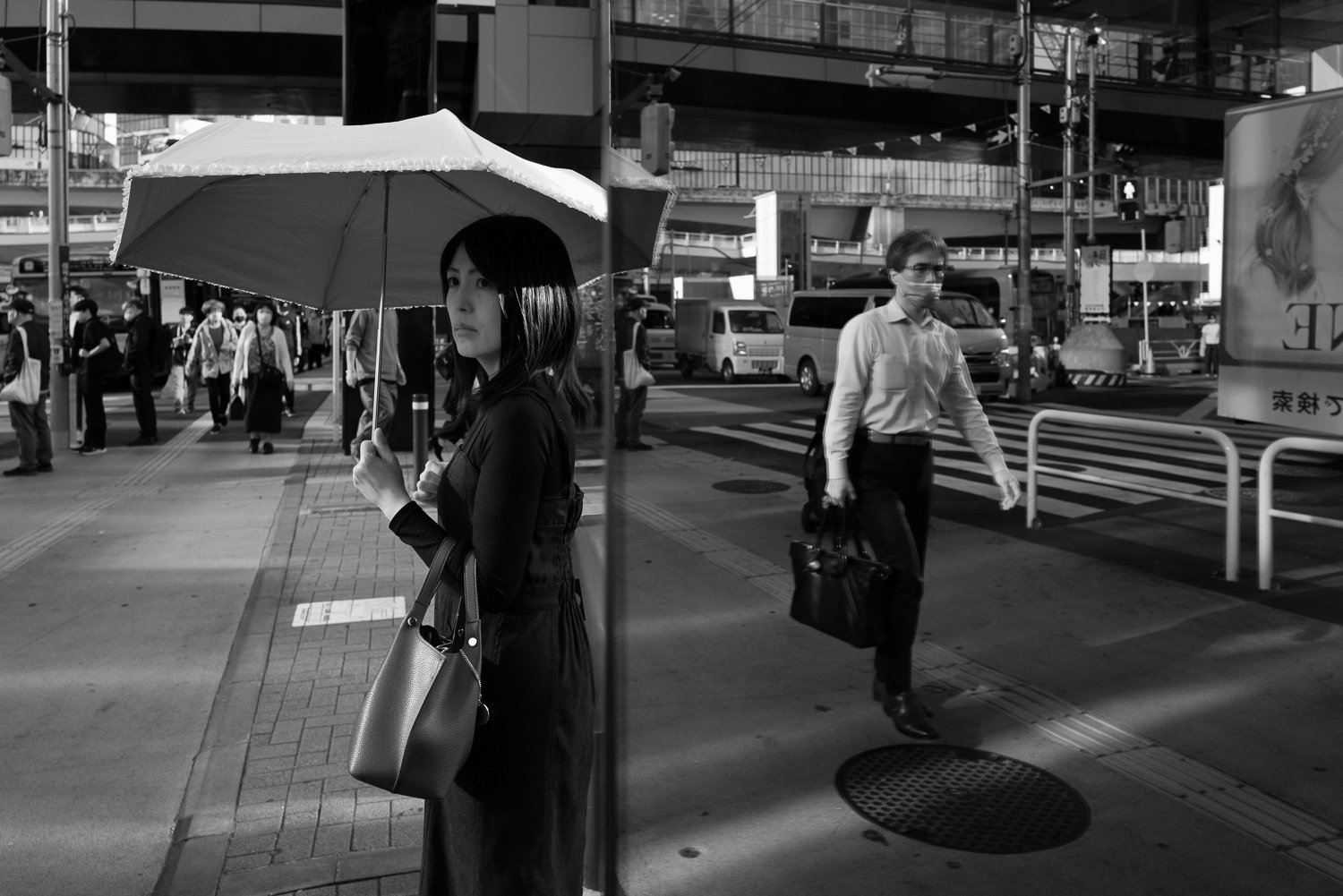
Are Monochrome Cameras Necessary In Street Photography?
In photography, monochrome cameras stand out for their unique ability to capture images in shades of black and white, delivering striking contrast and depth. While many photographers opt for traditional colour cameras, the benefits of monochrome cameras cannot be overlooked.
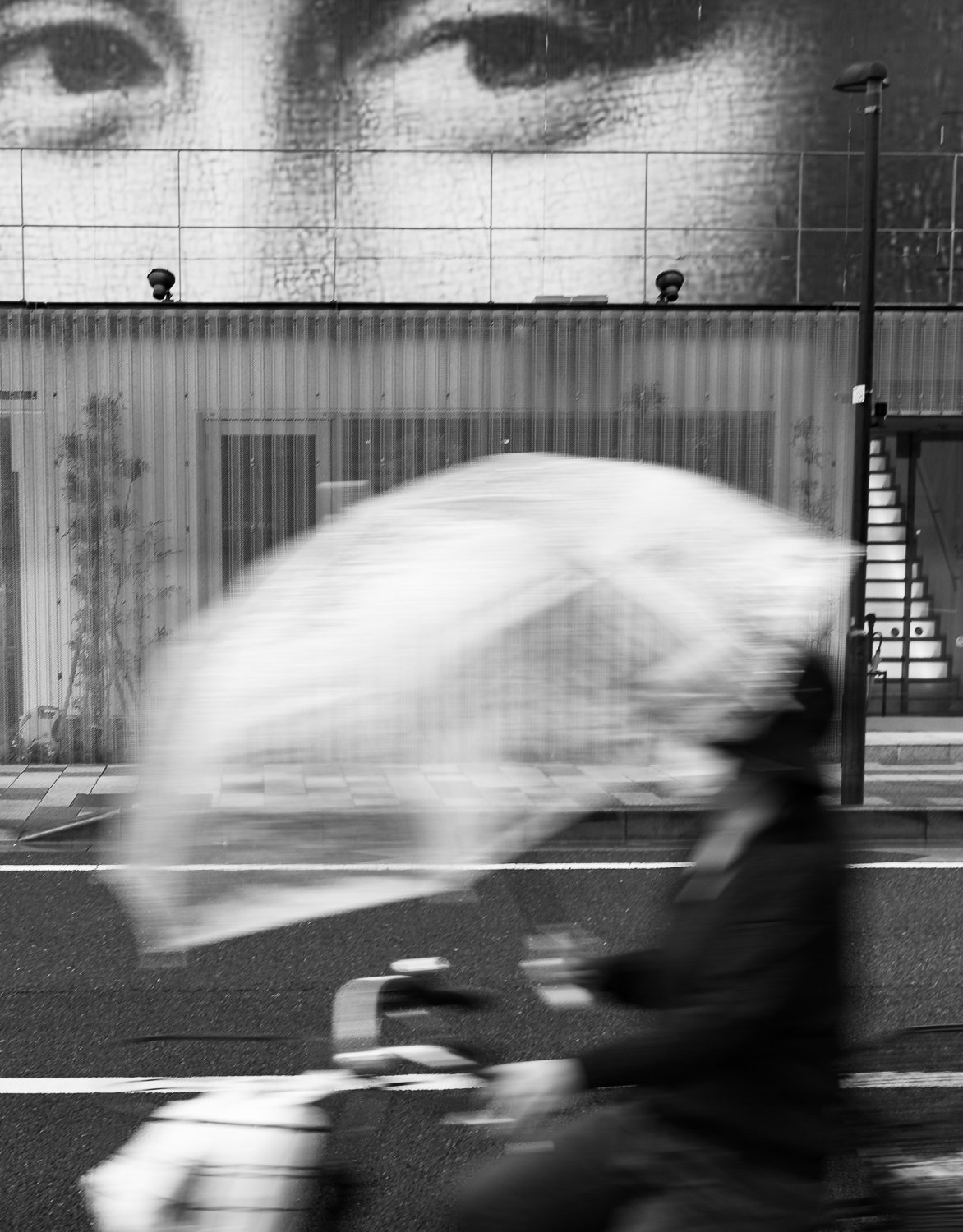
The Definitive Guide: Motion in Your Street Photography
Adding motion in photography introduces dynamic and psychological layers that deepen viewer engagement and reflection. This is especially relevant in street photography, with its diverse styles and subjects.

Is Every Street Photo We Take a Self-Portrait?
Do you take self-portraits? I think we all do. I know we all do. From a certain point of view, we all do. At least, I think we do, don’t we?
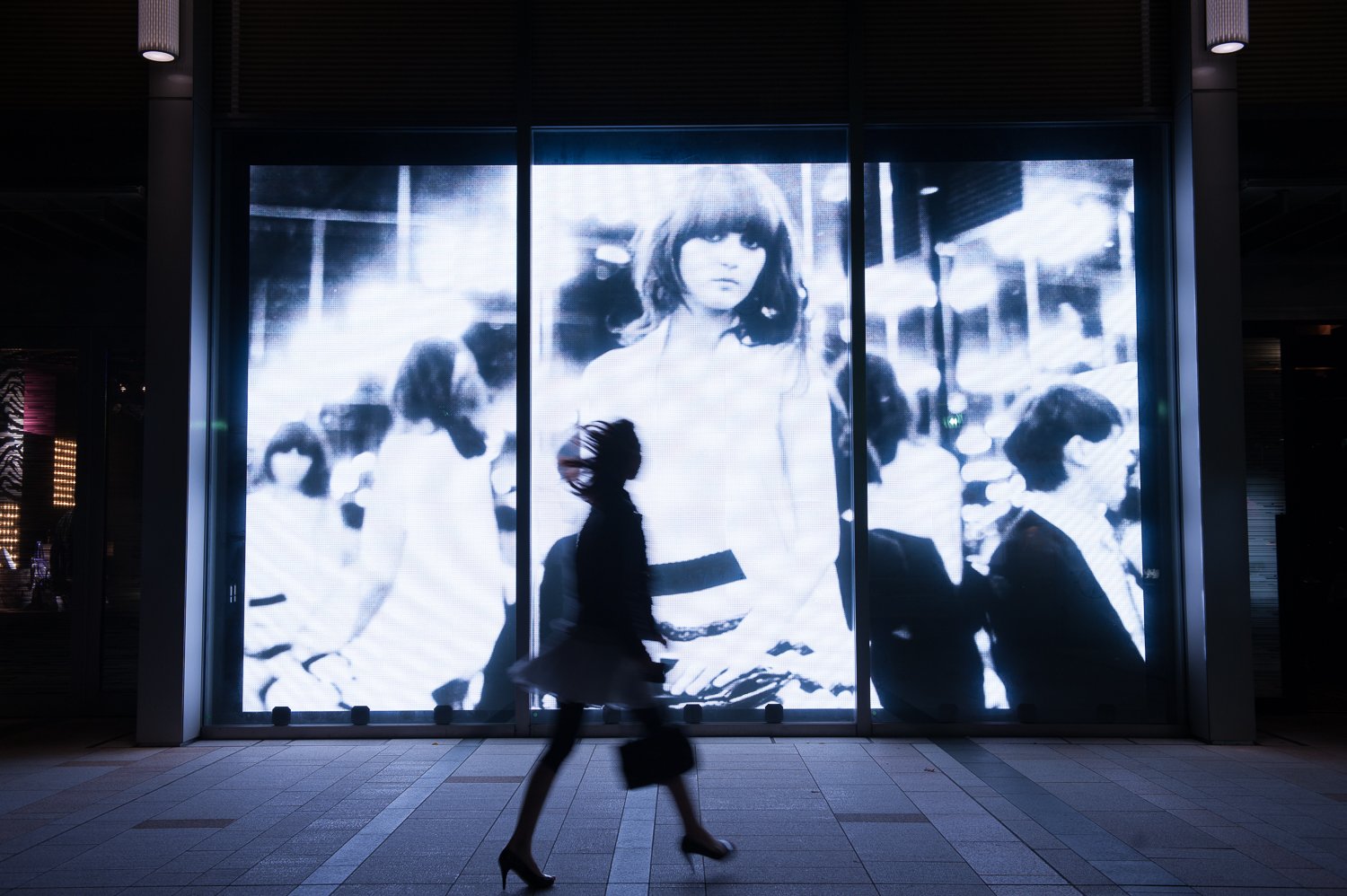
Returning to the Scene: Roppongi MidTown
Revisiting a location can yield impressive outcomes, exemplified by this image of a woman hurrying past an LED billboard in Tokyo Midtown.
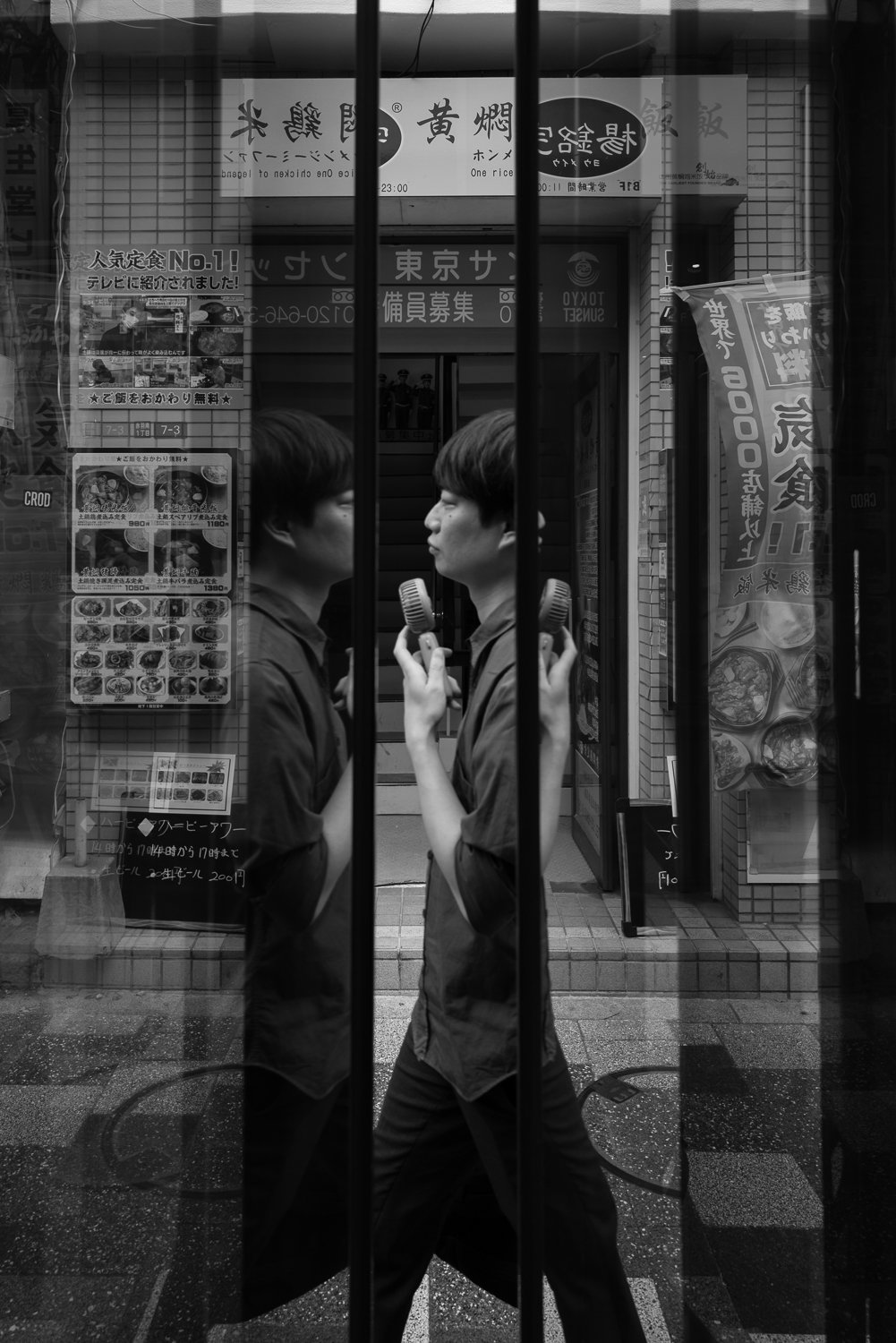
The Art of Capturing, “The Walk” in Tokyo.
Capturing a person walking by a captivating background is a straightforward and stylish entry point into street photography. I've been practicing this for over twenty years, which enabled me to shoot in manual exposure full time..

Photographing The Solitary Figure of Tokyo
In the bustling crowd of Tokyo, I find myself captivated by a solitary figure.
This notion may be a clichéd romantic ideal, precisely what artists aim to move away from. Instead, I prefer to embrace the unique perspectives that foster growth.
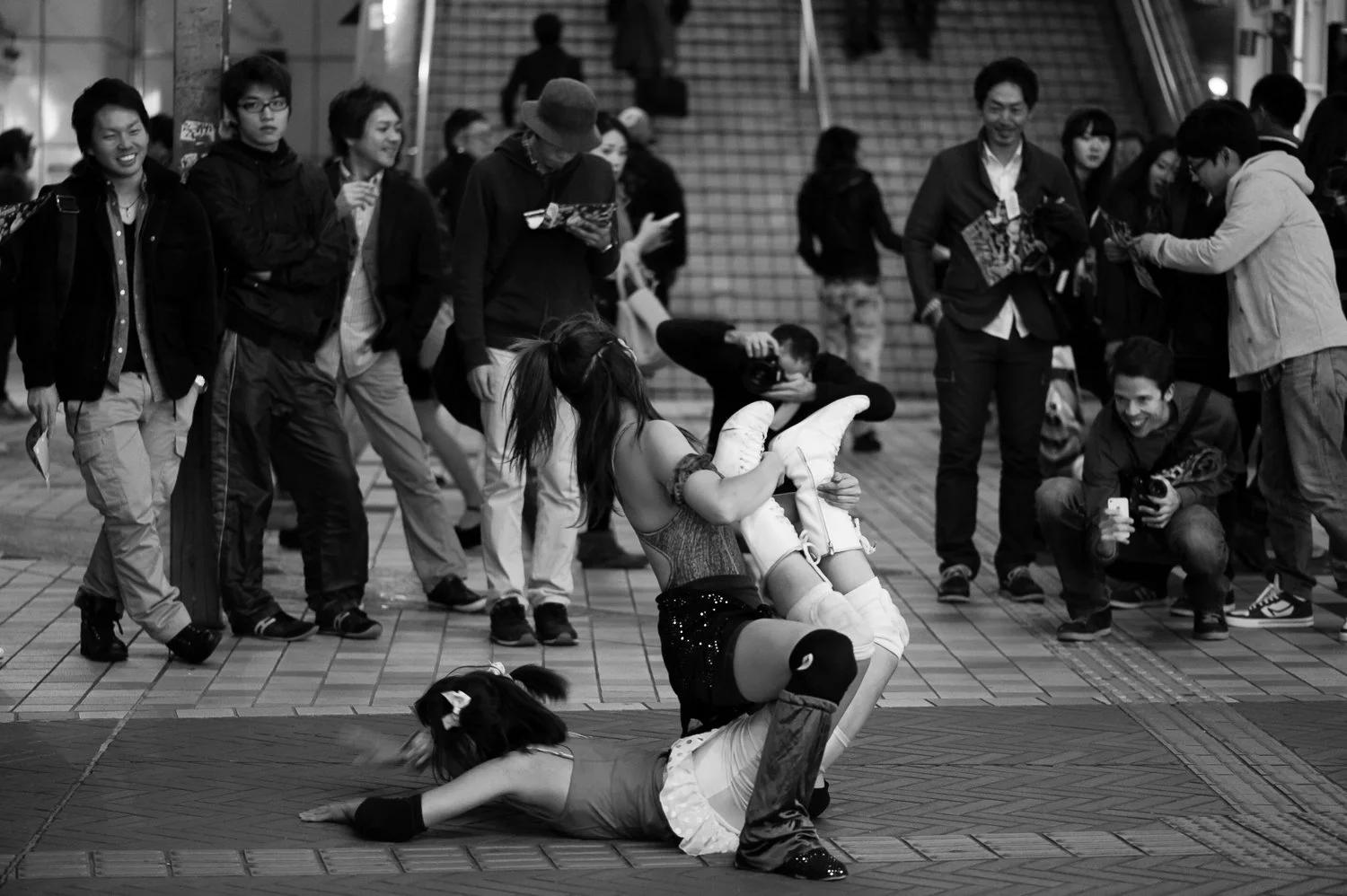
Making Some Good Luck at Shinjuku Station
I was lucky to witness this crazy stunt just outside Shinjuku Station South East gate. Although I had my camera ready in time, I was not good enough to capture the moment I saw in my mind—almost, but not quite.
In making your own luck, life experience goes a long way to getting the most out of it.
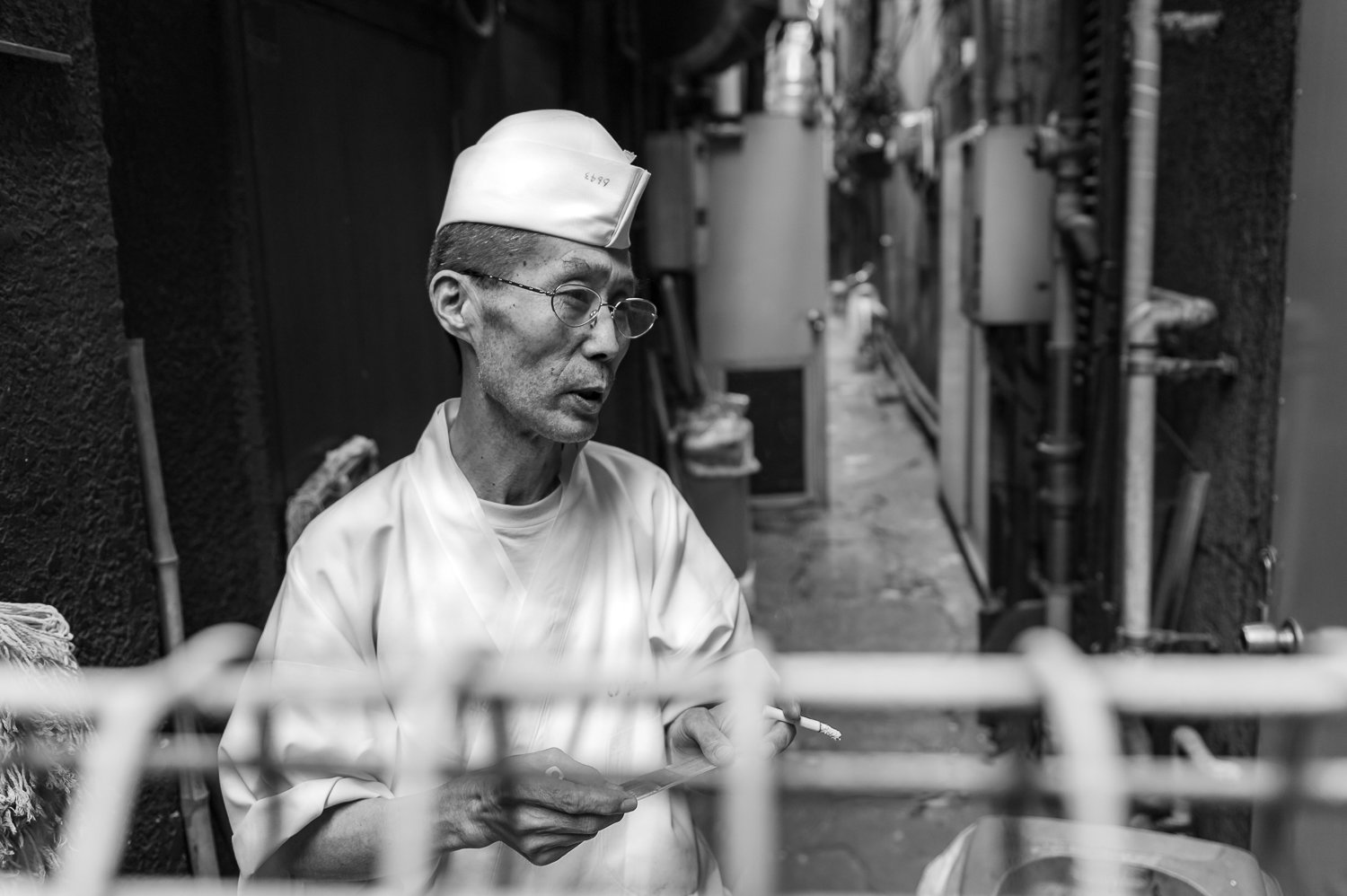
Conquering the Fear of Photographing Strangers in Tokyo
Photographing People in Tokyo
The fear of photographing people is real, but it is also the most rewarding type of street photography, from the image created to the experience shared in its capture.

Capturing Shibuya’s Motion: Jeff Austin's Street Photography
The Tokyo constant is motion. I have yet to practice street photography in New York, but I assume she is no different. I take advantage of motion every chance I get. Not for trend but for sincerity. It’s how I feel in the city; I am just like this girl, an observer, not a participant.
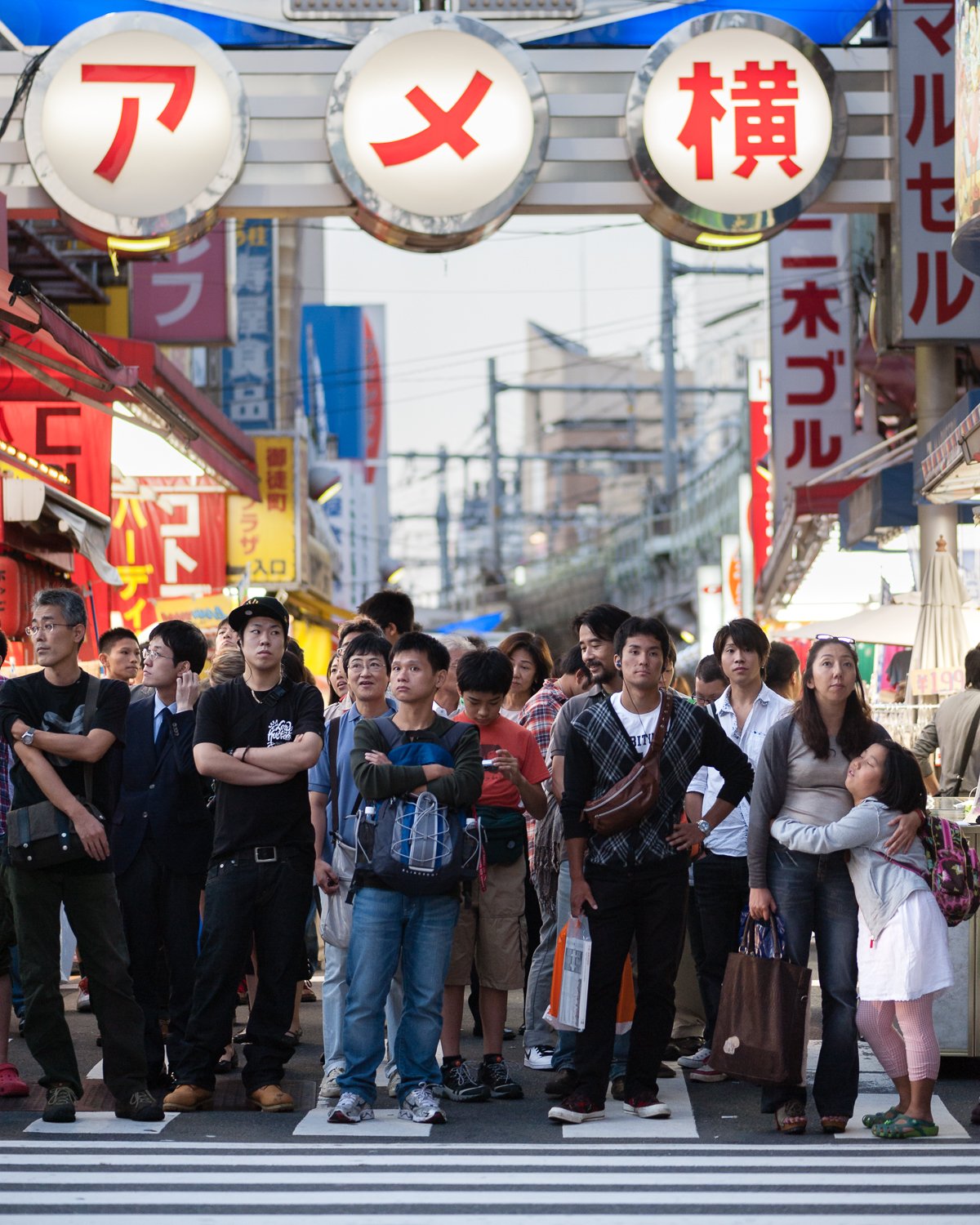
Exploring Eye Contact in Tokyo Street Photography
Eye contact makes an image stand out. Some of the most outstanding shots in fashion, sports, portrait, and journalism are centred on eye contact, and street photography is no different. Whose eyes connect with who is often overlooked.
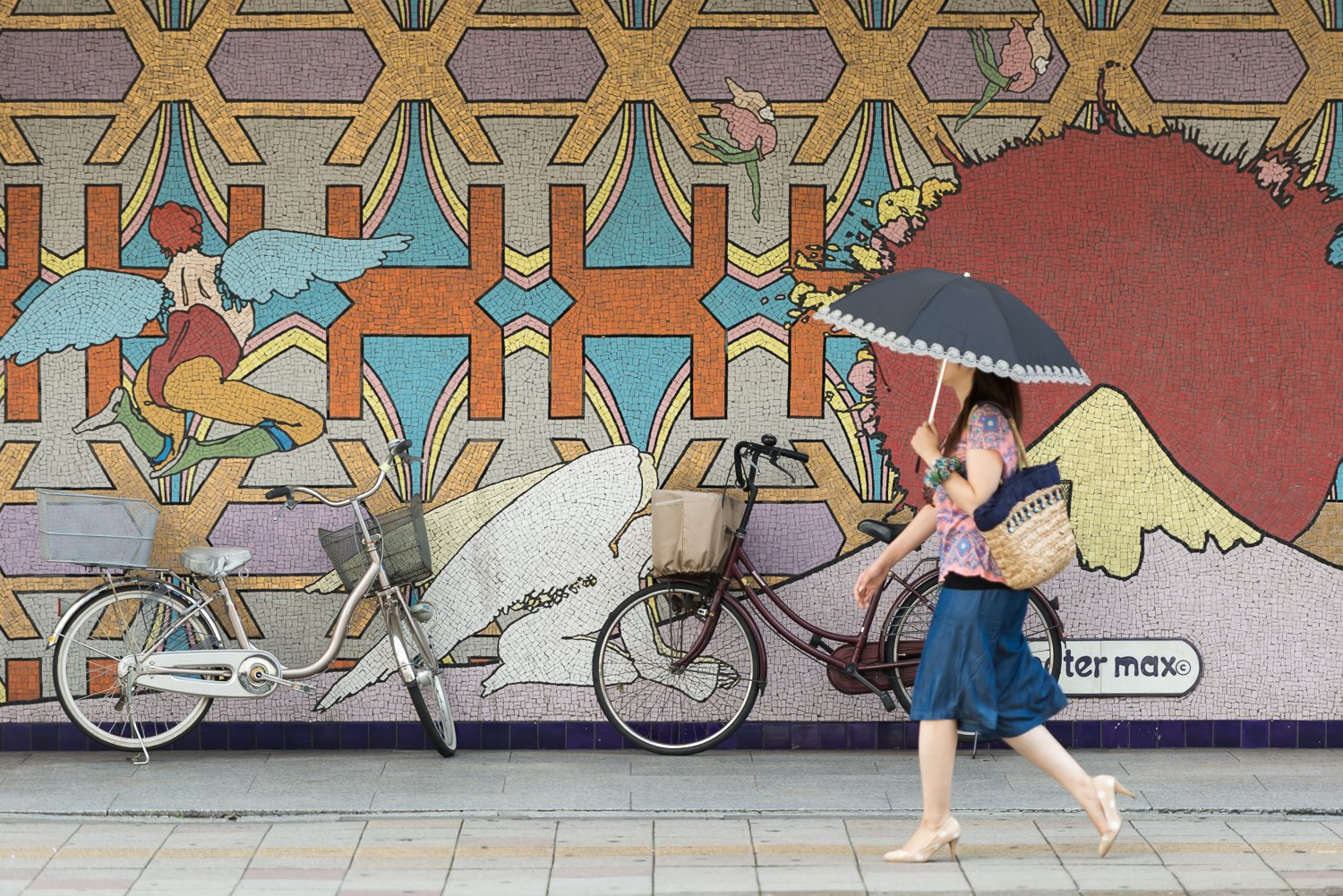
Exploring Tokyo's Street Photography Collections: Texture
Creating image collections like textures is a way to sharpen skills. Cities are full of textures, including Tokyo. Textures can be literal, such as grime on bricks or an abandoned bicycle. I see textures as history—a layer behind the beauty of a neighborhood.
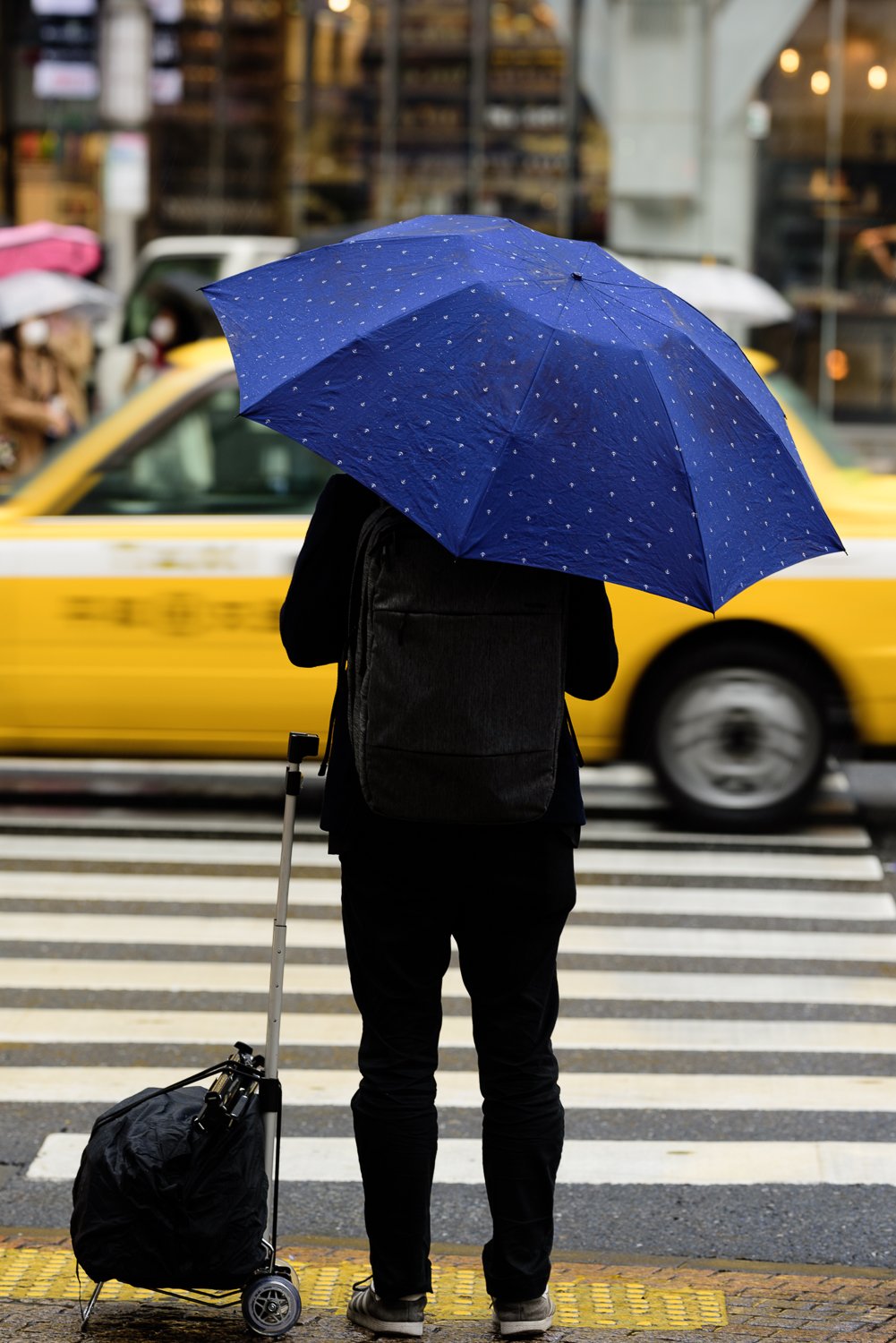
Mastering Scene Contrast: Tokyo's Street Photography Secrets
Scene contrast refers to all the contrast within a single frame. Some is obvious, like highlight versus shadow or complementary colours. Others are more complex, involving ideas like stationary versus moving subjects or the visual weight of elements. The goal is not to promote one style but to be aware of multiple concepts so you can create the contrast each image needs.

The Art of Happy Accidents in Street Photography
The Happy Accident is a merger of previsualization and happenstance. It was taken at JR Akabane station, Tokyo.
Tokyo’s frenetic pace leads to a number of both moments, often simultaneously. A happy accident occurs when these moments collide.
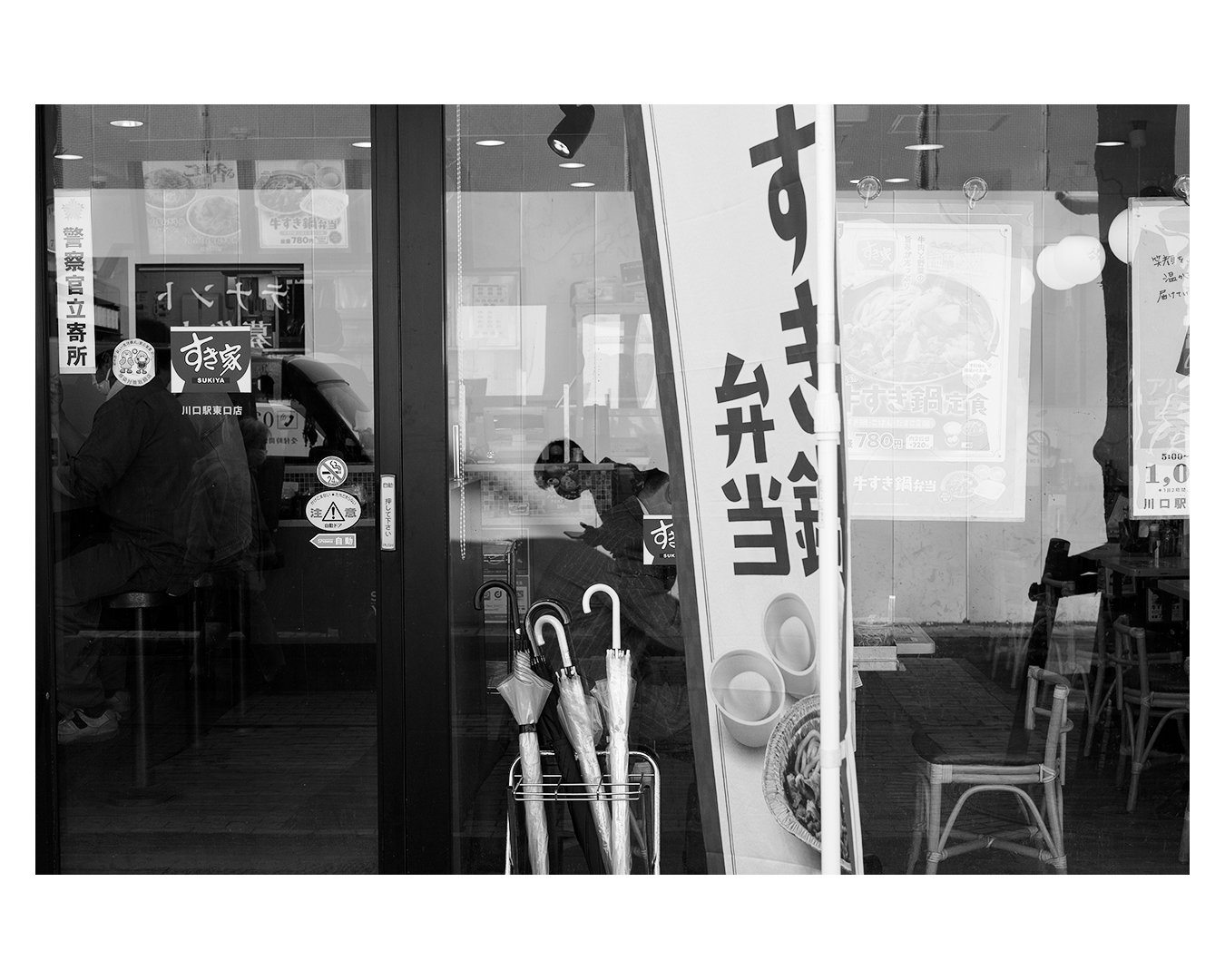
One Month Off, Any Keepers?
I went into the day with low expectations and a plan. It was sunny and I planned to photograph commuters shadows near Kawaguchi station. The large pedestrian causeway and high foot traffic in the area provided ample opportunities for success.
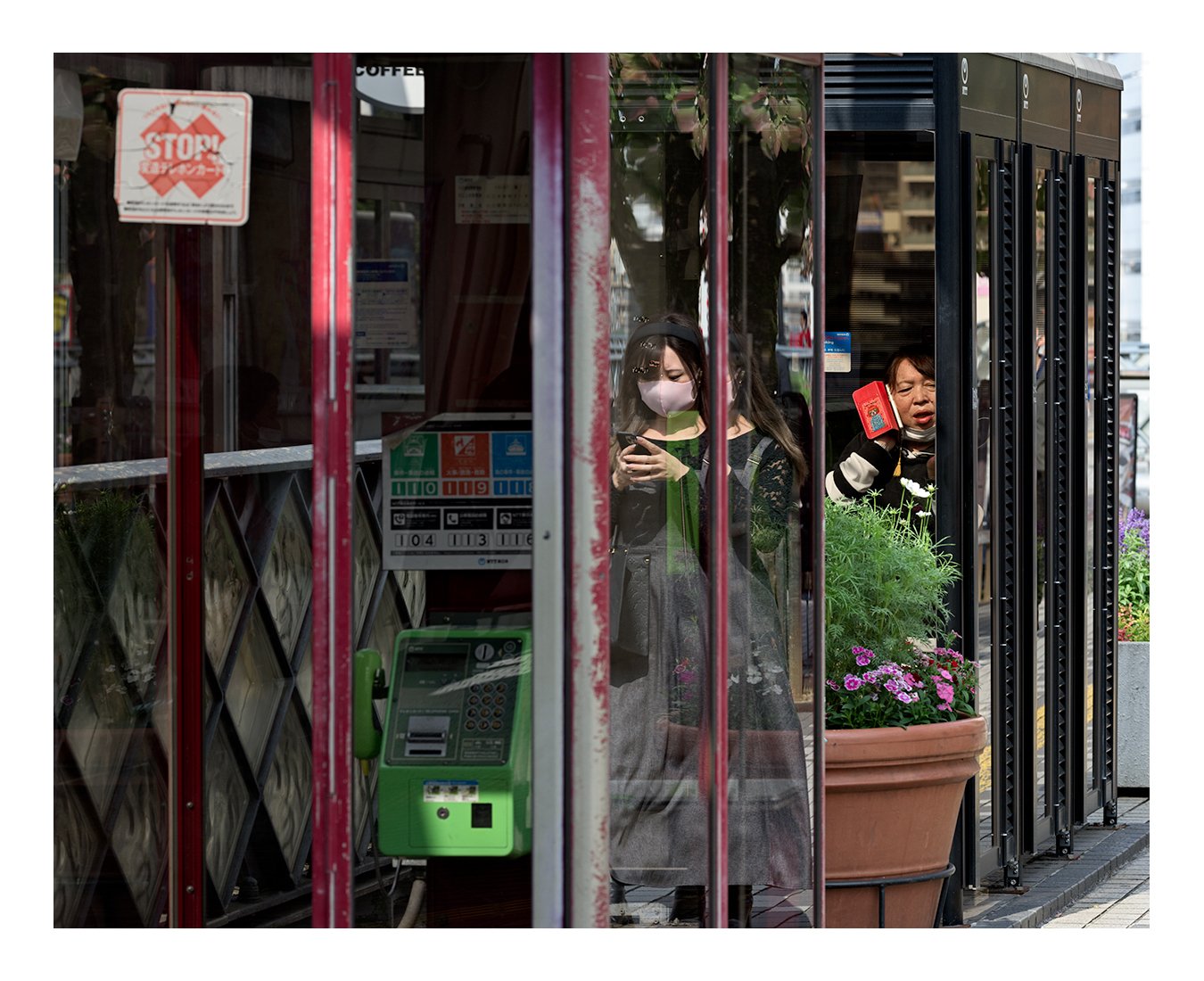
Color Reflections 2
Kawaguchi city has a number of working phone booths. Their large glass exterior makes for a perfect canvas. A reflection of both the character and characters of the city. This was the main goal of the day, aside from a couple of spots I check on each visit. The plan was to shoot primarily in color, though some black and white does make an appearance.
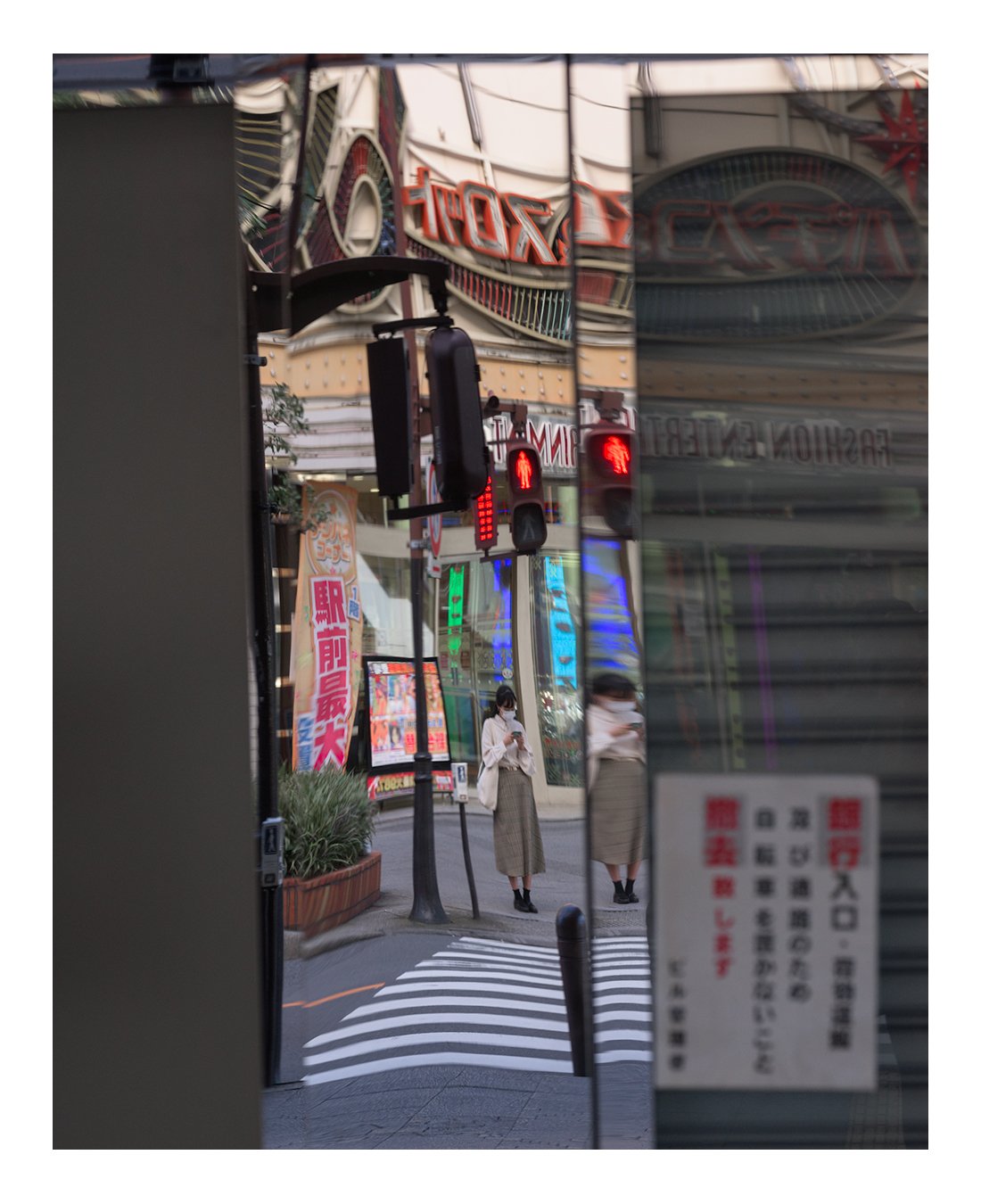
Reflections in Color
Kawaguchi city has a number of large nostalgic-looking phone booths. The glass booths allow me to shoot through as well as what’s reflected in it. Combing the two realities in one image can be difficult. A great deal of patience is required.