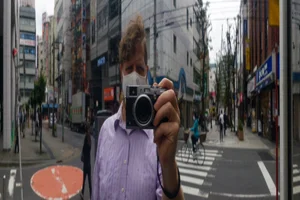
40 mm Lens Street Photography in Ueno Market
40 mm Lens Street Photography:
The 40mm lens occupies a unique and often underappreciated place in the history of street photography. Falling between the classic 35mm and 50mm focal lengths, the 40mm offers a field of view that closely resembles the natural perspective of human vision. This attribute has made it a favourite for photographers seeking an organic, unobtrusive connection to their surroundings. Although not as widely produced as its 35mm and 50mm counterparts, several notable 40mm lenses have achieved cult status, such as the Voigtländer 40mm f/1.4 Nokton and the compact Leica Summicron-C 40mm f/2, both celebrated for their distinctive rendering and portability.
Throughout photographic history, several influential street photographers have used the 40mm focal length. One of the most notable is Daido Moriyama, whose gritty, high-contrast depictions of Tokyo often utilized the Ricoh GR series compact cameras, many of which featured a 40mm equivalent lens. Other photographers, like William Eggleston, also occasionally worked with slightly wider-than-normal lenses, appreciating the balance they struck between including environmental context and preserving subject intimacy. These artists demonstrated that the 40mm focal length is adept at storytelling, allowing for both contextual street scenes and intimate candid moments.
The enduring appeal of the 40mm lens for modern street photographers lies in its versatility. It provides a subtle, all-purpose perspective capable of handling tight urban spaces while still rendering compelling subject-background relationships. Unlike the potentially distorted edges of wider lenses or the isolated feel of longer focal lengths, the 40mm strikes a natural balance. Its modest size and discreet appearance make it a strong candidate for unobtrusive shooting in public, an essential consideration when capturing authentic street moments.
Today’s digital and film camera market still offers several excellent 40mm options, catering to both new adopters and seasoned professionals. Street photographers find that the focal length helps them to blend seamlessly with the flow of city life, creating images that feel immersive and unforced. As urban environments evolve and the nature of street photography changes, the adaptable, human-centric view of the 40mm lens makes it an increasingly compelling choice, standing the test of time and trend.
Where and What of Ueno Market:
Ueno Market, located in Tokyo’s Taito ward, is a historically vibrant marketplace that has long been central to the city’s commercial and cultural life. The core of this district, known as Ameya-Yokocho (often simply “Ameyoko”), dates back to the post-World War II era. Ameyoko, which means “Candy Alley” or “American Alley,” initially started as a black market for American goods and confectionery brought in by returning soldiers. Over time, it transformed into a bustling open-air market where locals could purchase everything from seafood and dried goods to clothes and cosmetics at competitive prices, reflecting its importance in providing postwar Japanese society with access to scarce resources.
Throughout the decades, Ueno Market remained a melting pot for merchants, shoppers, and tourists. Its location near Ueno Station contributed to its accessibility, ensuring a steady stream of visitors. The market’s mix of traditional Japanese snacks, street food, and imported goods encapsulated the rapid modernization and diversification of Tokyo.
In recent years, Ueno Market has responded to changing demographics and consumer preferences. There has been a noticeable increase in international tourists, spurred by Japan’s growing reputation as a travel destination. As a result, many stalls now offer multilingual menus and cater to foreign tastes, without sacrificing the traditional Japanese market experience. Moreover, there is a growing trend toward offering premium and specialty foods, artisanal products, and fresh seafood, appealing to both local gourmets and global foodies seeking authentic culinary experiences.
While Ueno Market faces challenges from large retail chains and economic fluctuations, it continues to evolve by blending its historical roots with contemporary trends. Its resilience lies in the ability to adapt, ensuring it remains a beloved destination for both everyday shopping and cultural exploration in Tokyo.
How and Why Shoot 40 mm Street Photography in Ueno Market:
The market is located along the elevated train tracks from Ueno Station to Okachimachi Station. Approximately half the stalls are located directly under the tracks, and the remaining are on the first floor of buildings located right next to the tracks. This creates a number of avenues, streets, pedestrian walkways and back alleys to explore.
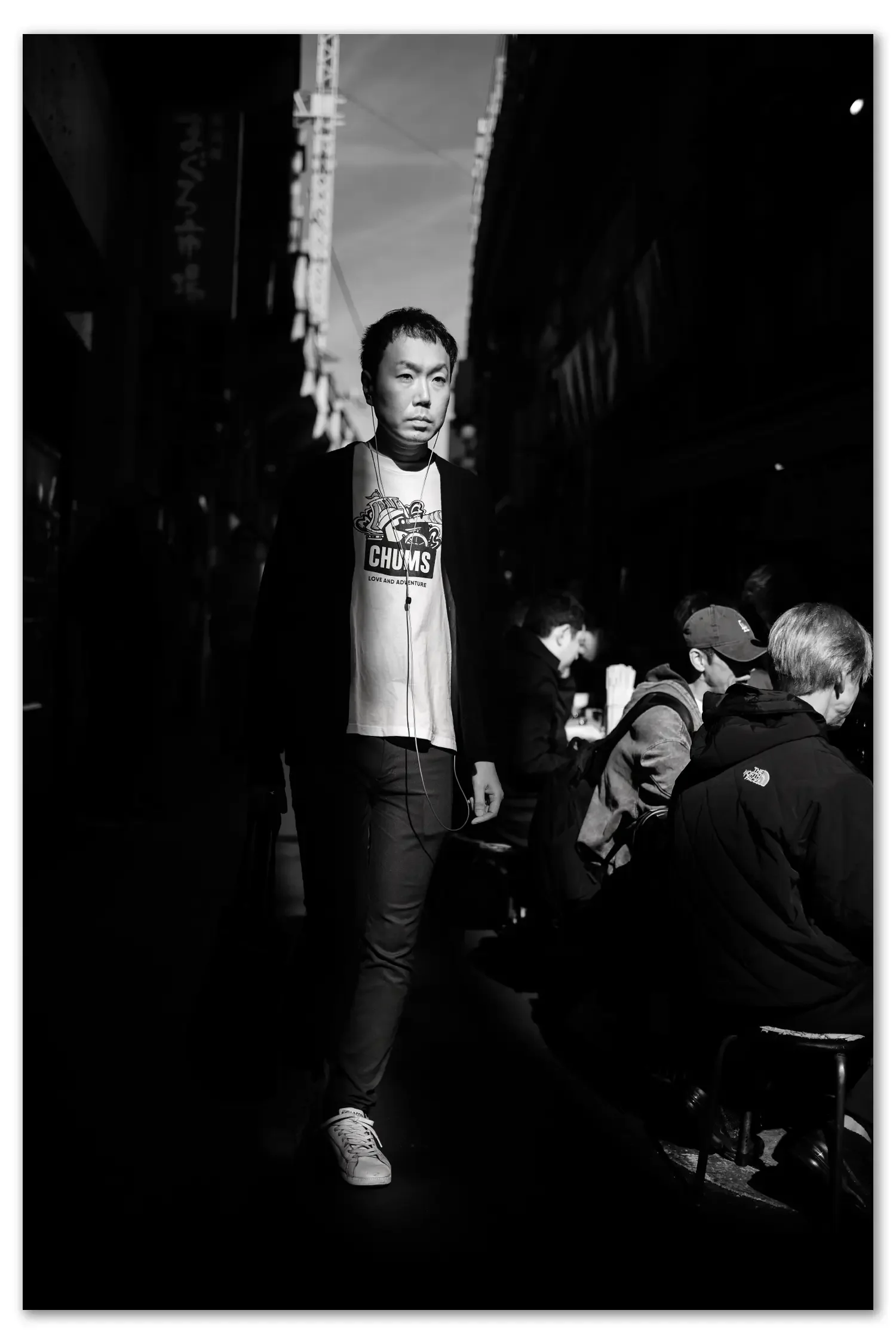
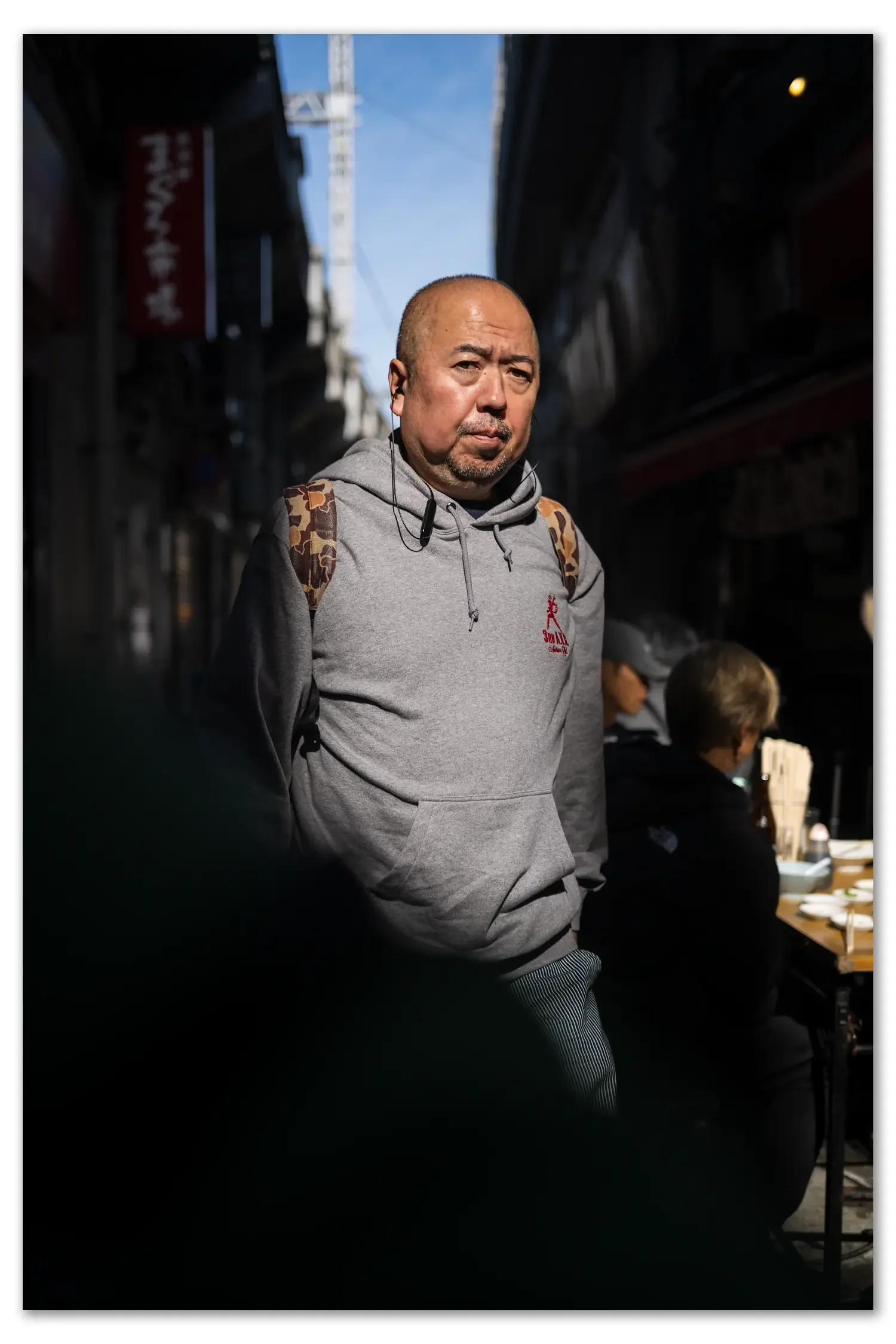
The history is evident on the very walls, with a healthy coating of grime on any area not easily accessible to clean. The sunlight pours over the tracks, spilling brightness and warmth into the dark areas of the market, illuminating the character.
Focal lengths of 28, 35, and 50 mm are common choices for many street photographers, often leaving the 40 mm on the sidelines. Neither intimate nor wide enough to find a regular place in the camera bags of many photographers.
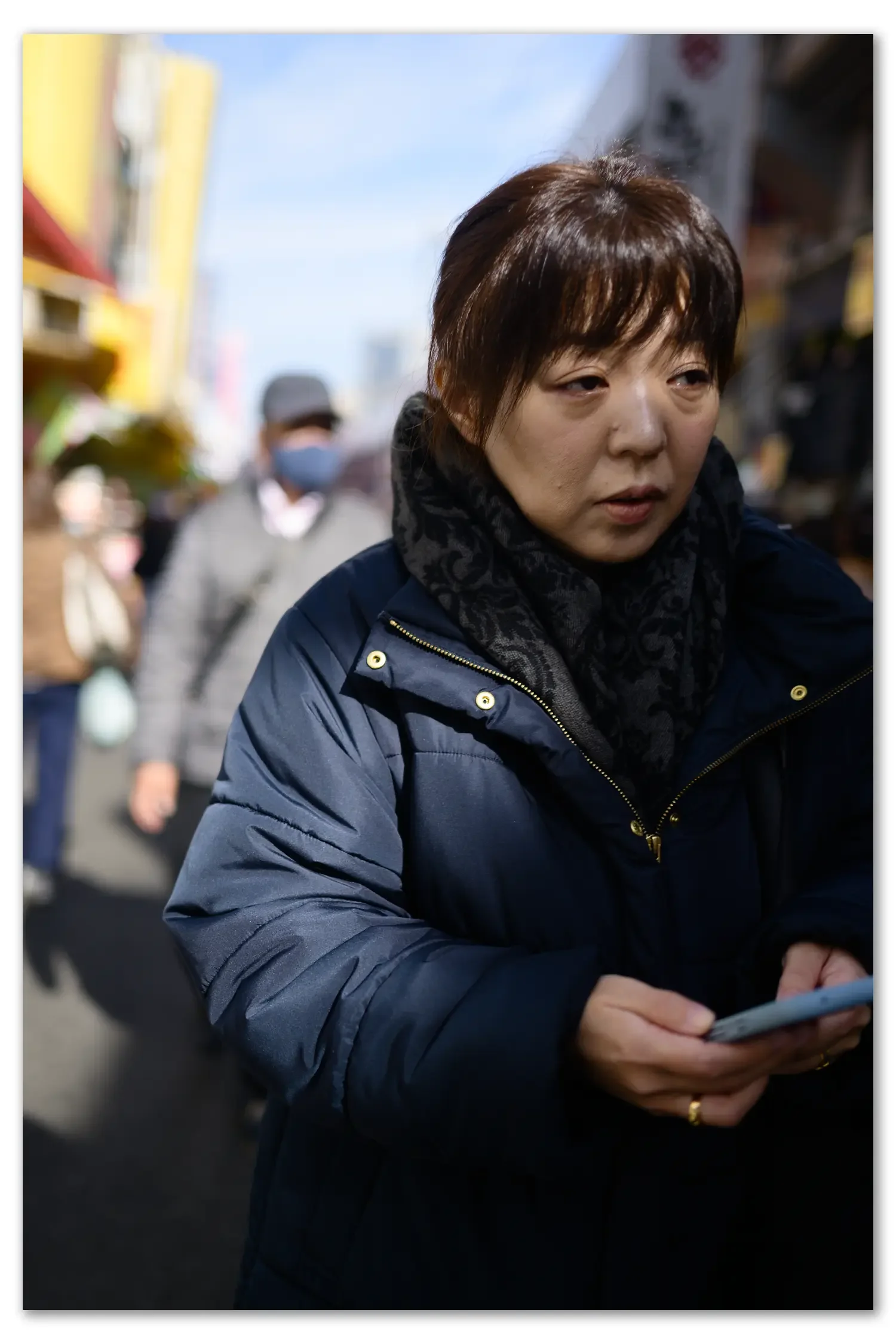
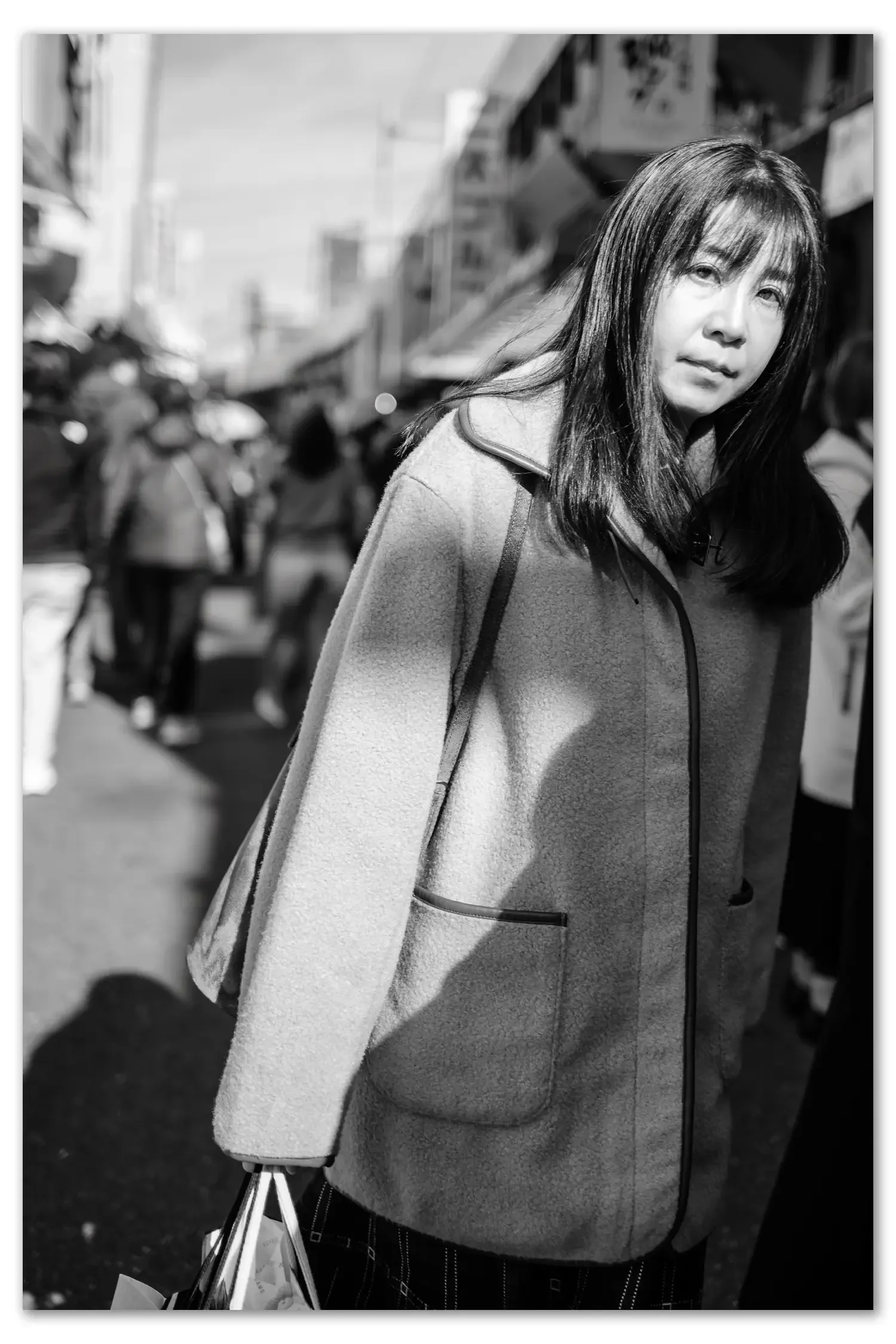
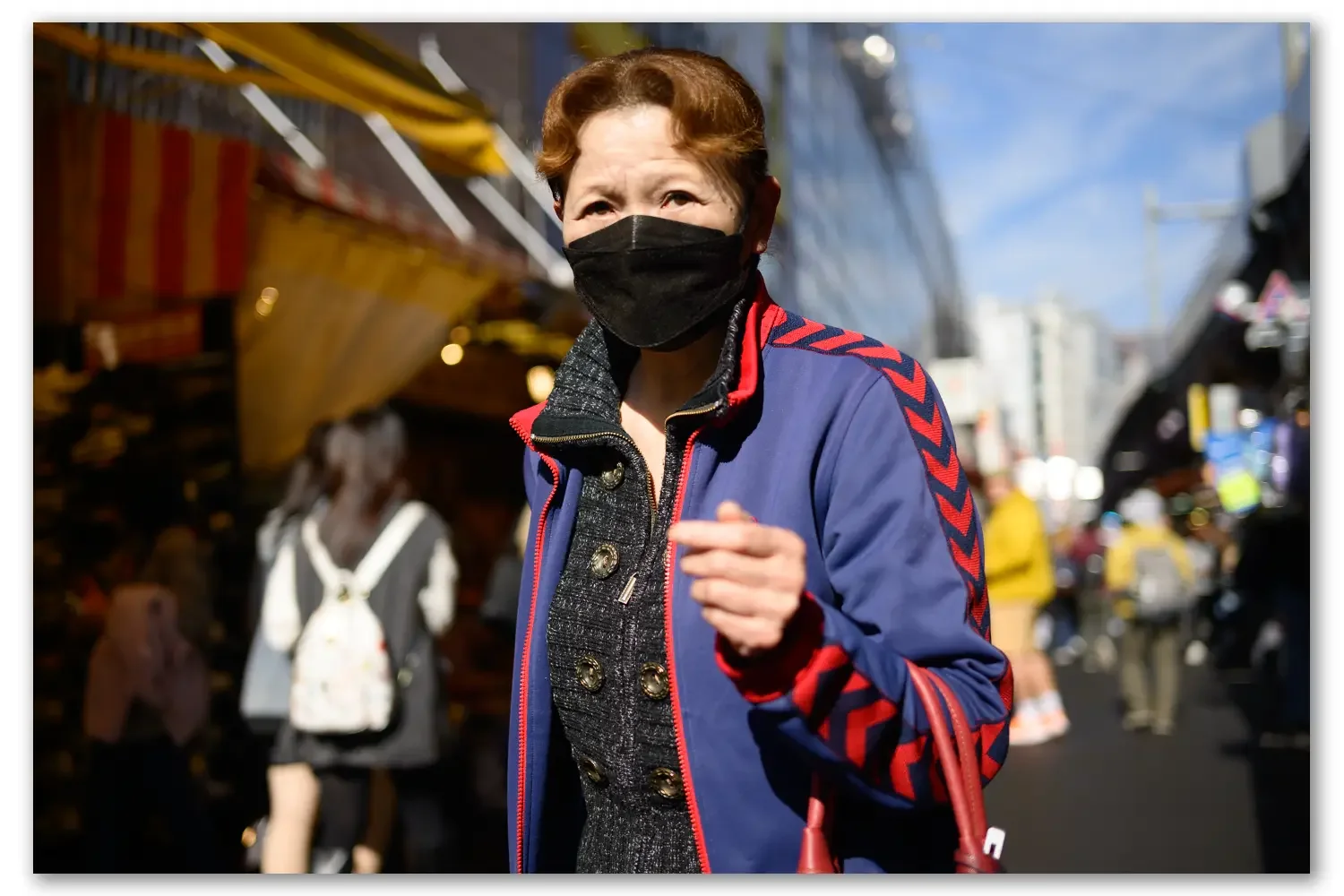
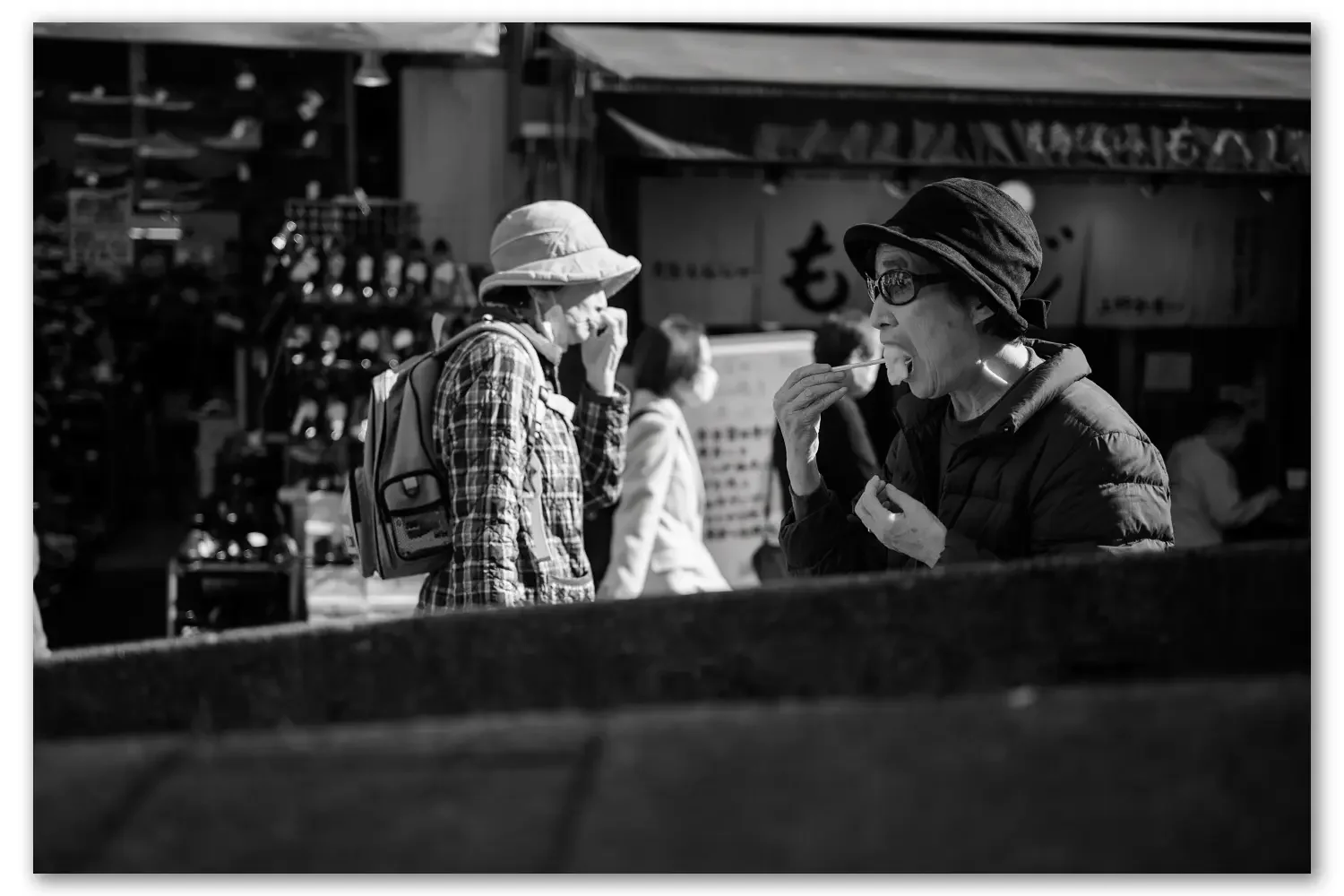
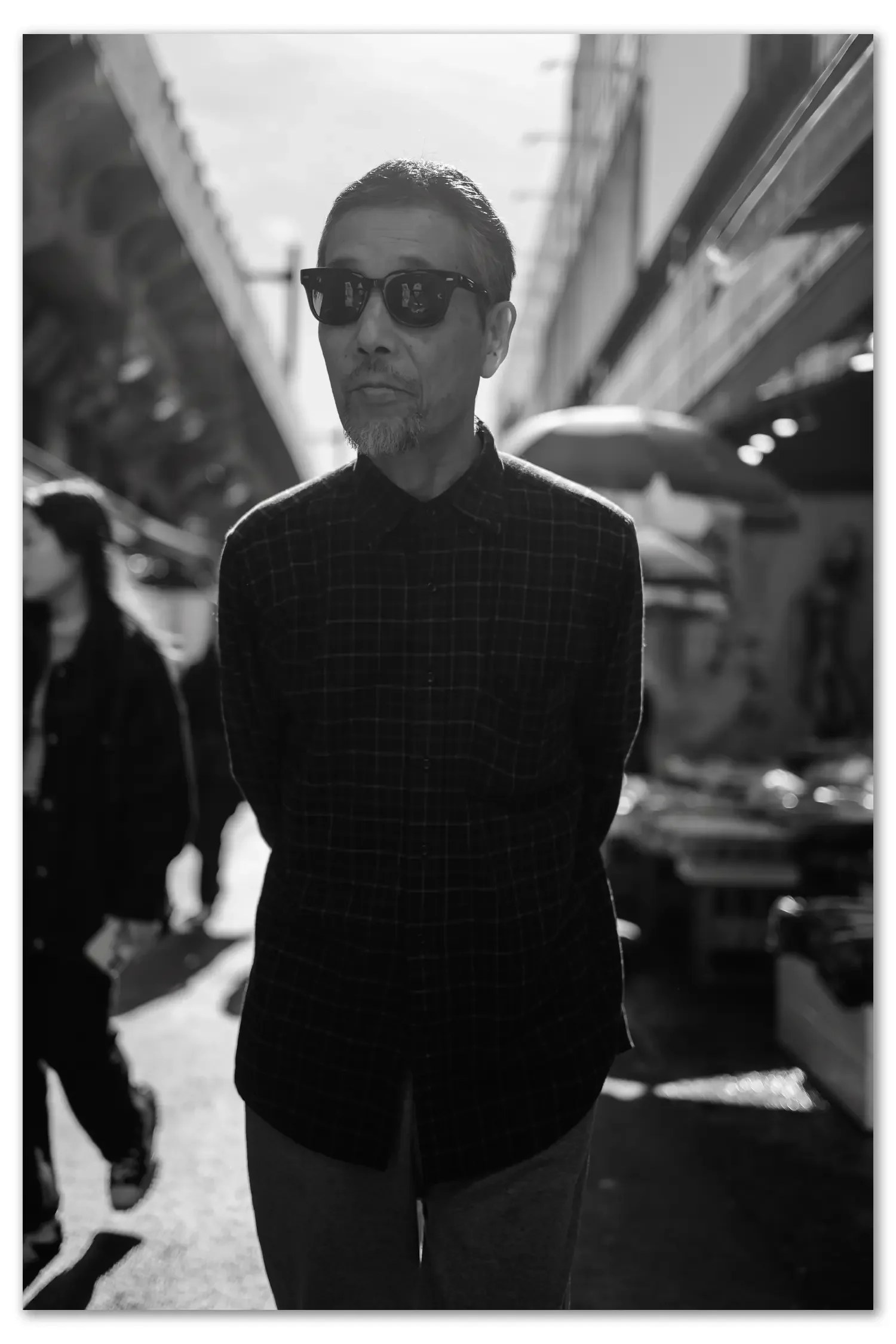
I find the 40 mm lens and the Ueno market to be a perfect match for each other. The streets are often crowded or quite narrow, allowing this lens to shine as both a portrait and an editorial lens. It is just wide enough to provide context and just long enough to create separation from the subject, quieting the market noise.

As always, I would love to hear your story in the comments below. If you feel so inclined, share a coffee with me. I am a flat white kind of guy. Happy shooting, everyone.
To book a tour, visit my photo workshop/photo tour website, or email directly jeff@tokyoforgeries.com